The Witch Farm on BBC One: Chilling 'true story' behind Danny Robins' podcast and why sceptics remain unconvinced
A ghost story or a mental health unravelling?
The Witch Farm is a new BBC One series dramatising a famous ghost story said to be “inspired by first-hand accounts, theories and true events” that took place in the Welsh countryside.
The four-part series brings to life Danny Robins’ original podcast of the same name, which became a huge success. The events took place in South Wales in 1989.
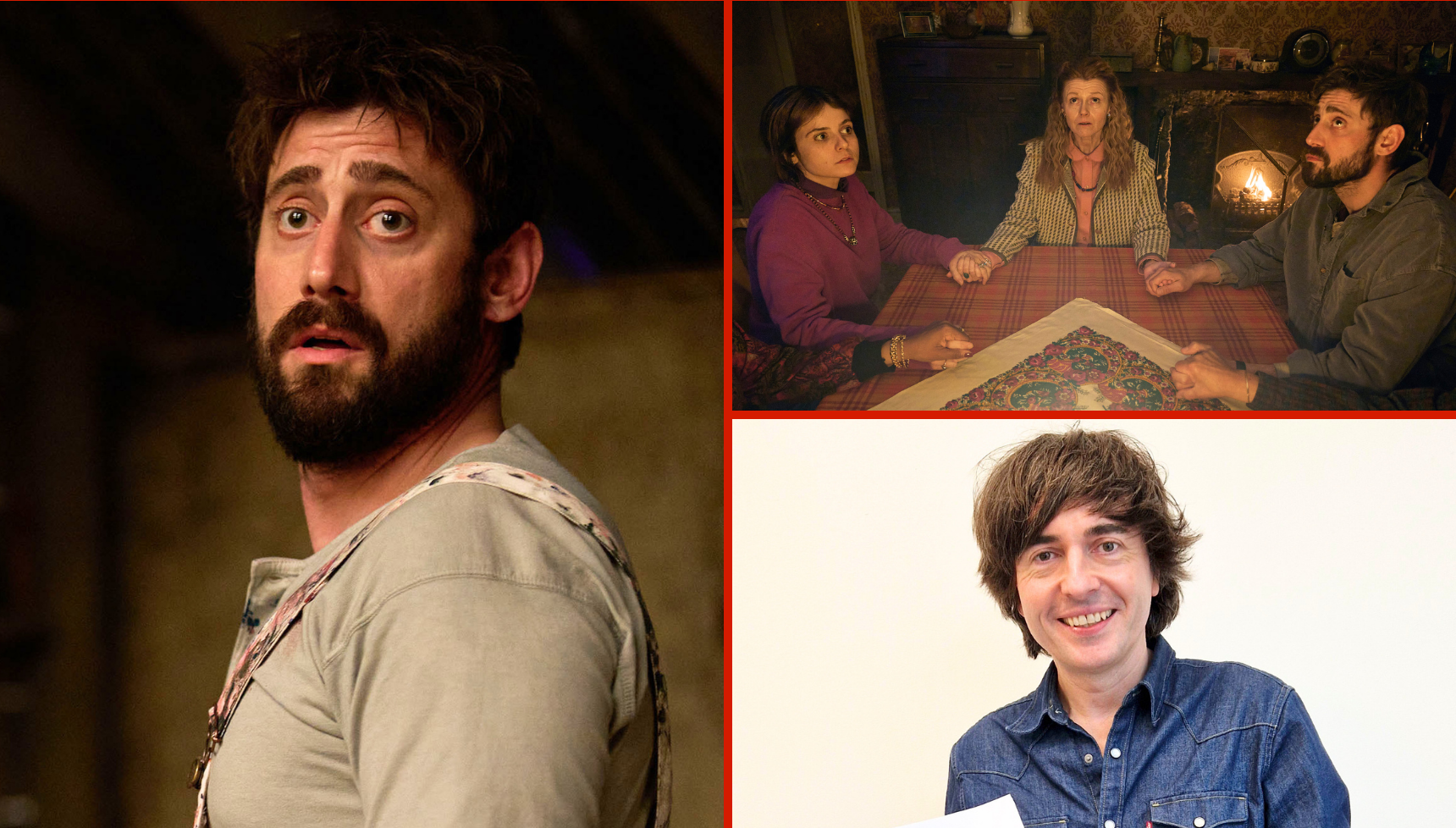
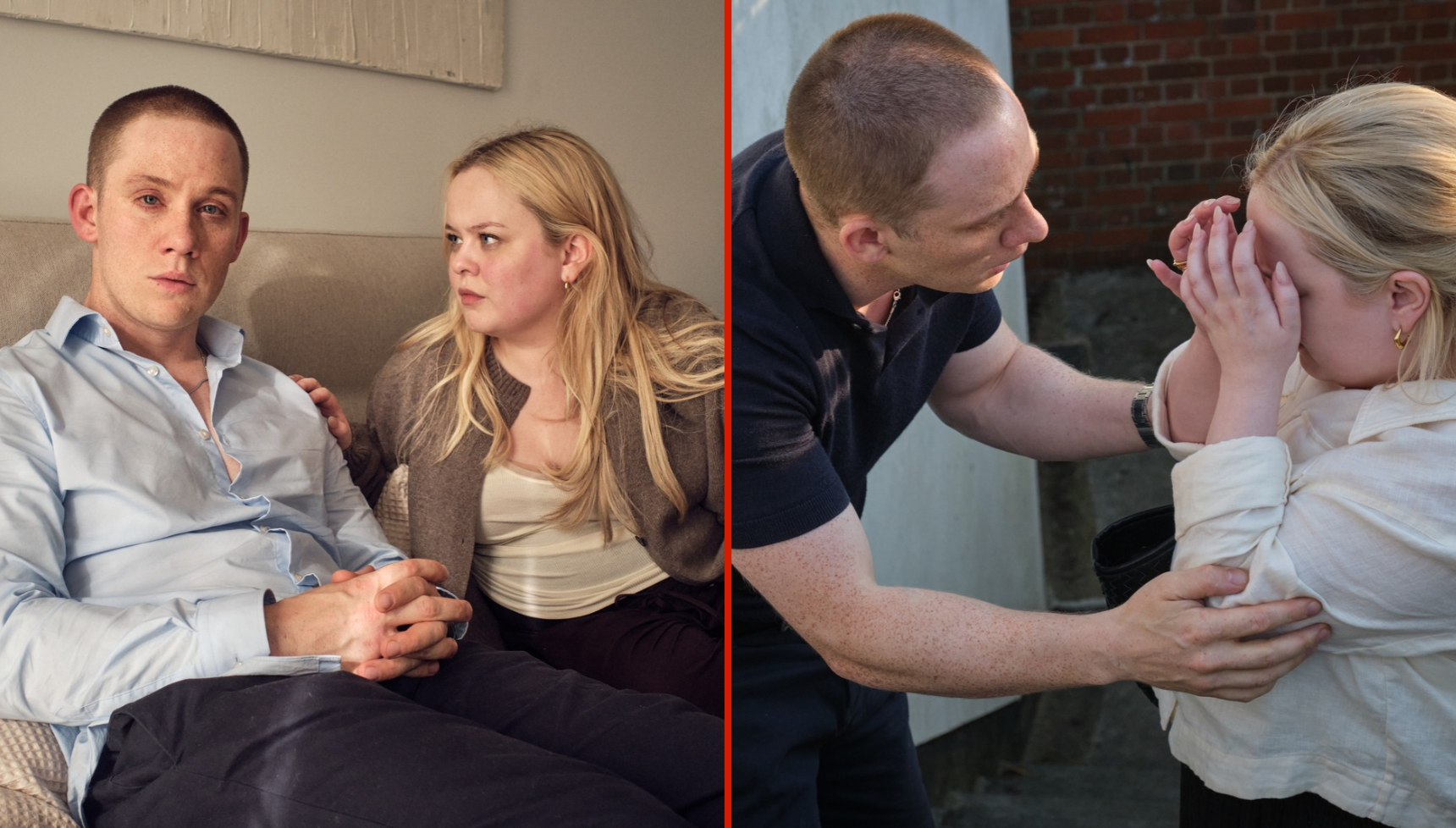
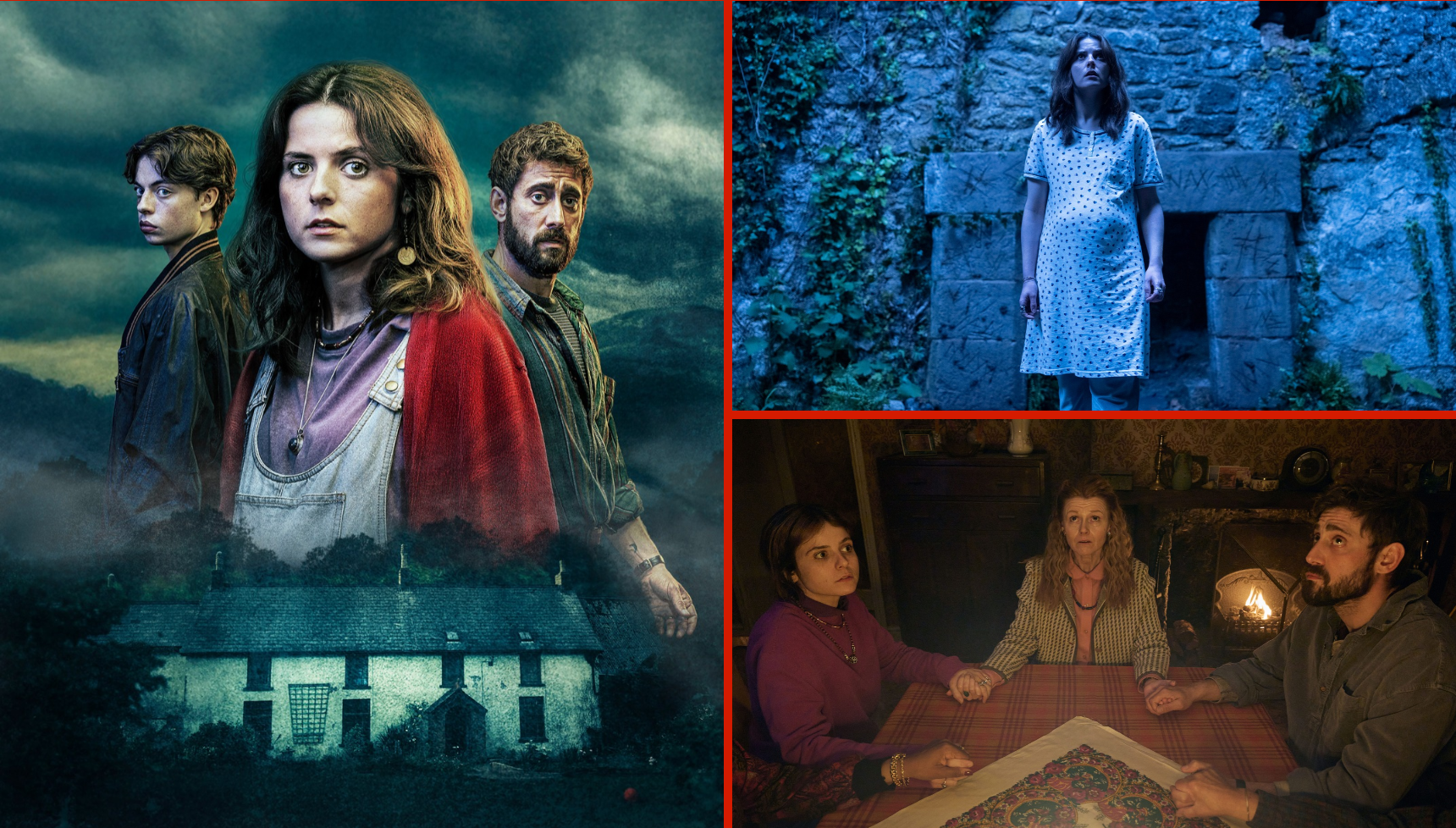
In the drama, couple Bill and Liz leave London for a “fresh start” alongside Bill’s teenage son Jonathan. They move to Heol Fanog, a remote farmhouse in the foothills of the Brecon Beacons. And while they enjoy the isolation at first, the “dream” soon turns to a “nightmare” when frightening, inexplicable things begin to happen around the house.
Specifically, a strange figure appears causing the family to start feeling increasingly scared… But is the story based on true events? And what other theories are there?
Is The Witch Farm on BBC One based on a true story?
The family who lived in Heol Fanog certainly believe what happened to them was real. And the series is based on what Danny Robins calls a “real-life ghost story”. So it rather depends on whether you believe in ghosts or not.
While some accept that Heol Fanog is the most exorcised house in the UK, others believe that what happened to Liz and Bill wasn’t supernatural at all. Rather, they believe the alleged paranormal events were a symptom of Bill’s declining mental health and alcoholism.
But that’s really up to you to decide. It’s true the ordeal severely damaged Bill’s mental health and emotional stability…
Worth saying here that creator, writer and podcaster Danny Robins is a sceptic. Despite investigating countless paranormal accounts for Uncanny and Haunted, he has never seen a ghost firsthand. But he wants to. (More on that below.)
Here’s what happened in the Welsh “house of horrors”.
Liz and Bill Rich had a ‘terrifying experience’ in the remote Brecon Beacons in Wales
Talking about the true story behind The Witch Farm, Danny Robins said: “I read about this couple, Liz and Bill Rich, who’d had this terrifying experience in the remote Brecon Beacons in Wales. The more I dug into it, the more it felt like something that merited a long-form approach. And so we made the podcast series called The Witch Farm.
“Through that process, I met Liz and she told me her incredible story. We also found other witnesses and pieced everything together through a mix of audio drama and documentary. It becomes truly nightmarish, but it goes beyond being a typical ‘haunted house’ story. The family is tested and all manner of secrets and lies emerge. It’s as much about their journey as a family as the story of the haunting itself.”
He continued: “Doing a series like this inspired by a real person’s story is an interesting challenge, because you want to be true to their experience. It’s been incredibly important to us that Liz herself is involved in the process. She was a huge part of the podcast, and she’s been an important part of this TV drama as well. I don’t want Liz to watch the series and feel it’s not leaning into the truth of her story. So I’m in touch with her and her family regularly. That’s been our North Star throughout all of this [The Witch Farm experience], staying true to Liz and her story.”
However, the story has “grown as a TV drama” and is now “inspired by’ rather than literally “based on”. But Danny wanted everything to be grounded in “the emotional truth of Liz’s story”.
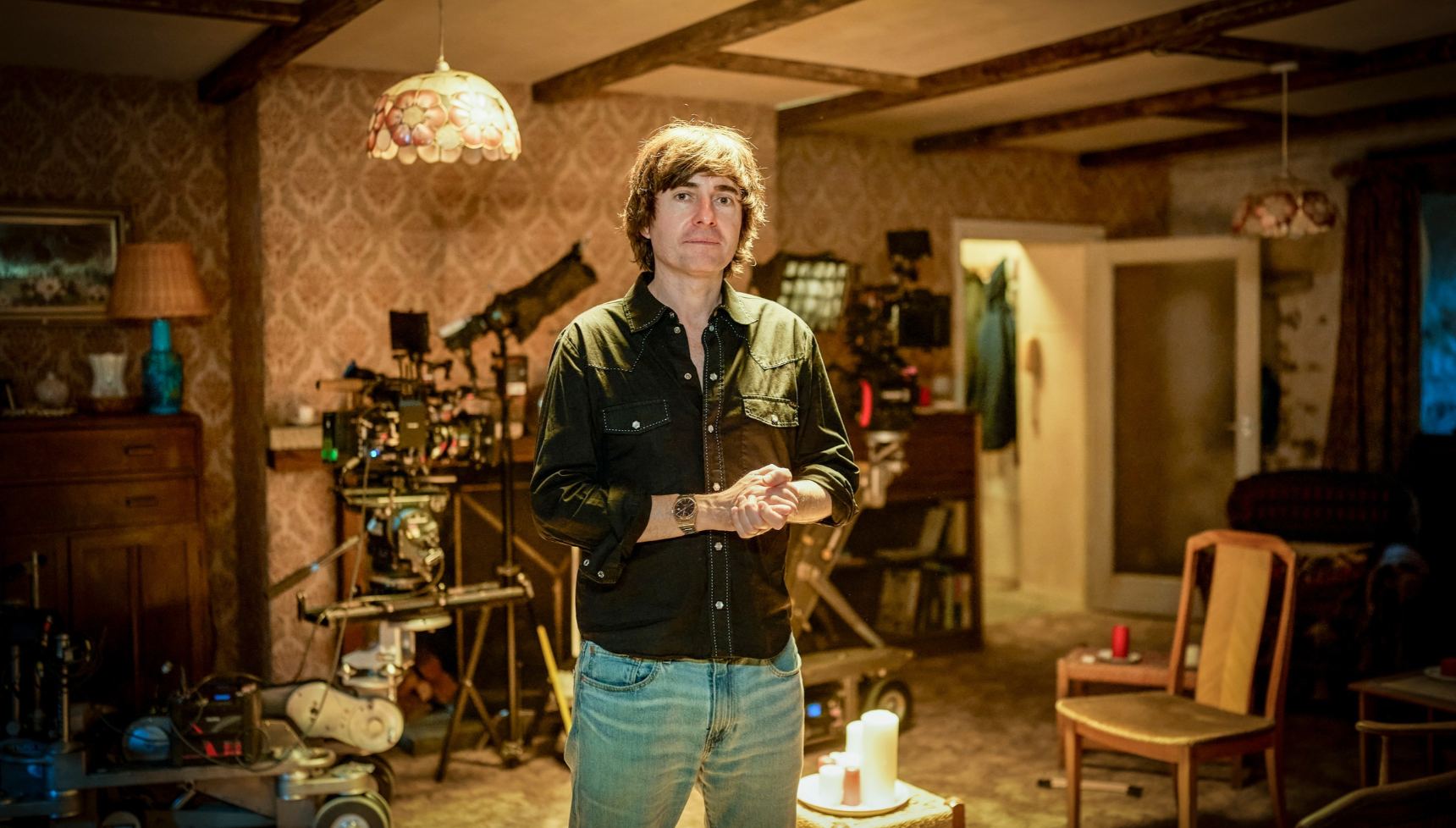
Does Danny Robins believe in ghosts?
Danny Robins is a writer, broadcaster, journalist, and playwright best known for creating paranormal podcasts, TV shows, and theatre. So does he believe in ghosts? The short answer is, he doesn’t know!
He tells us: “Hardwired into everything I’ve done has been that debate between belief and scepticism – do ghosts exist? Every ghost story is always a ‘choose-your-own-adventure’ situation. You can sit there and enjoy it as a ‘howdunnit’ in terms of the human story, wondering whether psychological or environmental factors brought the family to this state. Or you can enjoy it as a ‘whodunit’ and try to work out who the ghost is.
“What’s crucial for me is that I want viewers to think about it and reach their own conclusions. But I think there will be a little finger of terror working its way down your spine, raising those hairs and sending a bit of a shiver. This really is one of the greatest real-life ghost stories of all time and I feel very privileged to be dramatising it. Prepared to be spooked!”
The Witch Farm true story: What really happened at Heol Fanog?
According to Liz Rich, her time in the remote farmhouse Heol Fanog was blighted by poltergeist activity, apparitions, alleged possessions – even physical injury. So much so, that the building has had more exorcisms than any other in British history.
It started in 1989, when young couple Liz and Bill Rich moved to what they thought was their dream home, a rural idyll to raise their family in.
Artist Bill and his Welsh wife Liz – who was pregnant with their first child – moved into the old stone property with Bill’s son from his first marriage, Laurence. Their “ordeal” started shortly after they moved in, and lasted for seven years.
The activity included doors slamming unexpectedly, heavy footsteps running through the house, extreme hot and cold spots within the house, and there were also strange smells.
Bizarrely, Bill and Liz’s first electricity bill was a whopping £750 for just three months. No one could explain why so much power was being used in the house.
Other disturbing events included the mysterious deaths of the animals in their life, scary apparitions, and even an apparent possession. Crucially, Laurence’s personality began to change significantly, too.
Talking about the events, Danny Robins said: “You’re about half a mile from your nearest neighbour, literally nobody could hear you scream. If you’re a sceptic, you could say ‘does the isolation play a part in this remote location, does it play on their imagination?’.
“But if you’re a believer, you could say ‘look at this incredible backdrop of history, look at what’s happened here before is dramatic, the witchcraft, the Celtic history, things have happened here and has it left its mark on this land?’.”
The history of witchcraft is rich in the area, hence the name of the series.
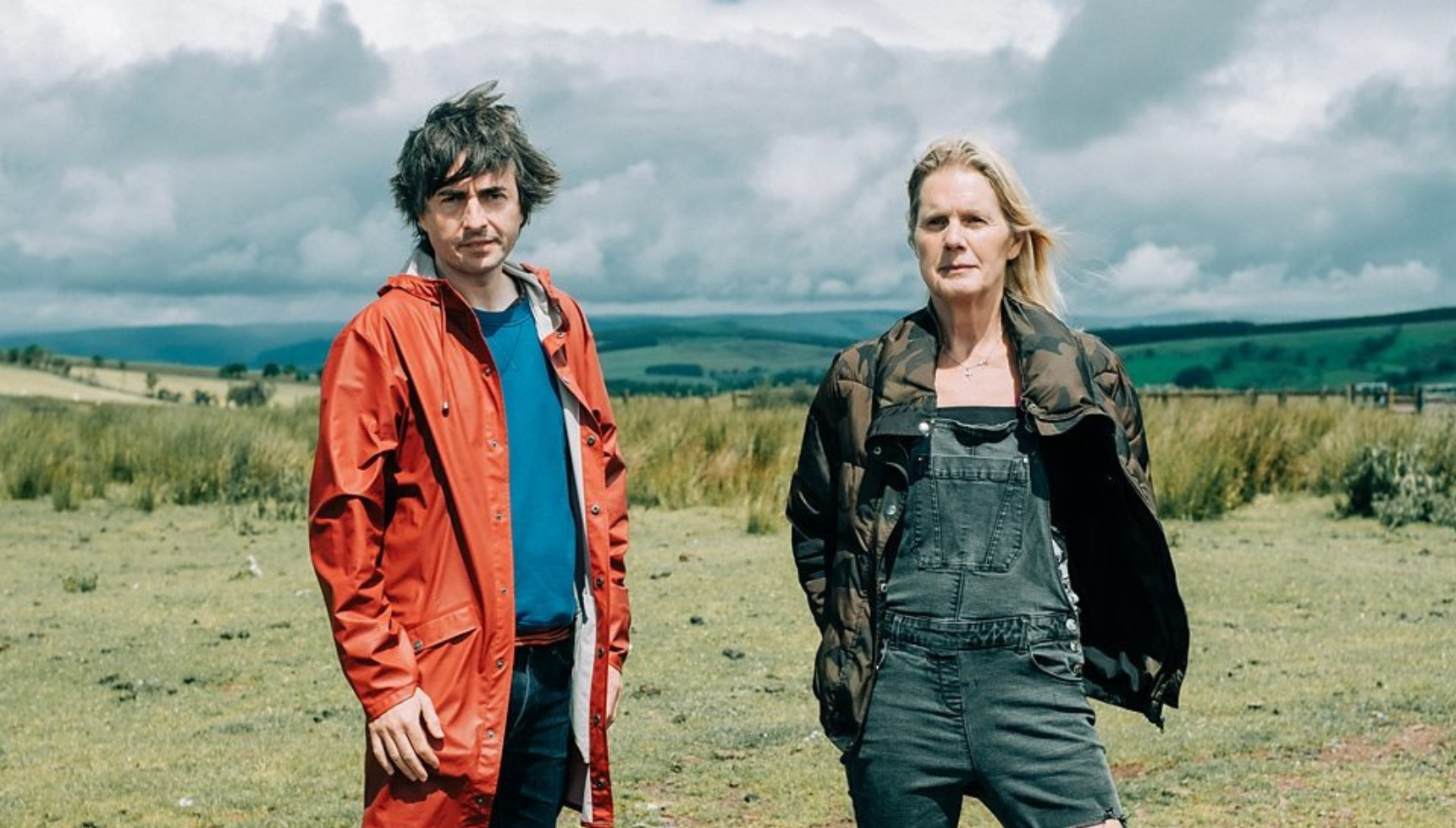
The Witch Farm true story: Who lives in Heol Fanog now?
Another family moved into Heol Fanog and have lived there for around 25 years. They moved in after the Rich family, and have asked for their identities not to be publicly disclosed.
However, they reported no hauntings, unusual phenomena, or supernatural activity during their time at the property. They also noted that they had not experienced the abnormal electricity drains described in the Rich accounts.
Local folklore around Heol Fanog
Heol Fanog, nicknamed The Witch Farm or The Welsh Amityville, is the centre of several older regional myths about curses, witchcraft, and nearby fairy lakes.
When spiritualists, investigators, and locals tried to explain the phenomena that affected the Rich family at Heol Fanog, several layers of local folklore and dark history emerged…
Local rumour holds that a coven of seven witches once operated on the site. Paranormal investigators also claimed the farmhouse sits directly over an intersection of dark “ley lines” (energy streams in the earth), specifically converging beneath the house’s electricity meter.
According to neighborhood lore, the farmhouse was constructed using stone taken from a disturbed 18th-century graveyard nearby, or built directly atop an ancient Celtic burial ground.
There’s also the 1848 Axe Murder. Folklore ties the unrest at the farm to a real historical crime. In 1848, 18-year-old farmworker James Griffiths was bludgeoned to death with an axe by 23-year-old Thomas Edwards (who was later hanged) and buried on a farm near Heol Fanog.
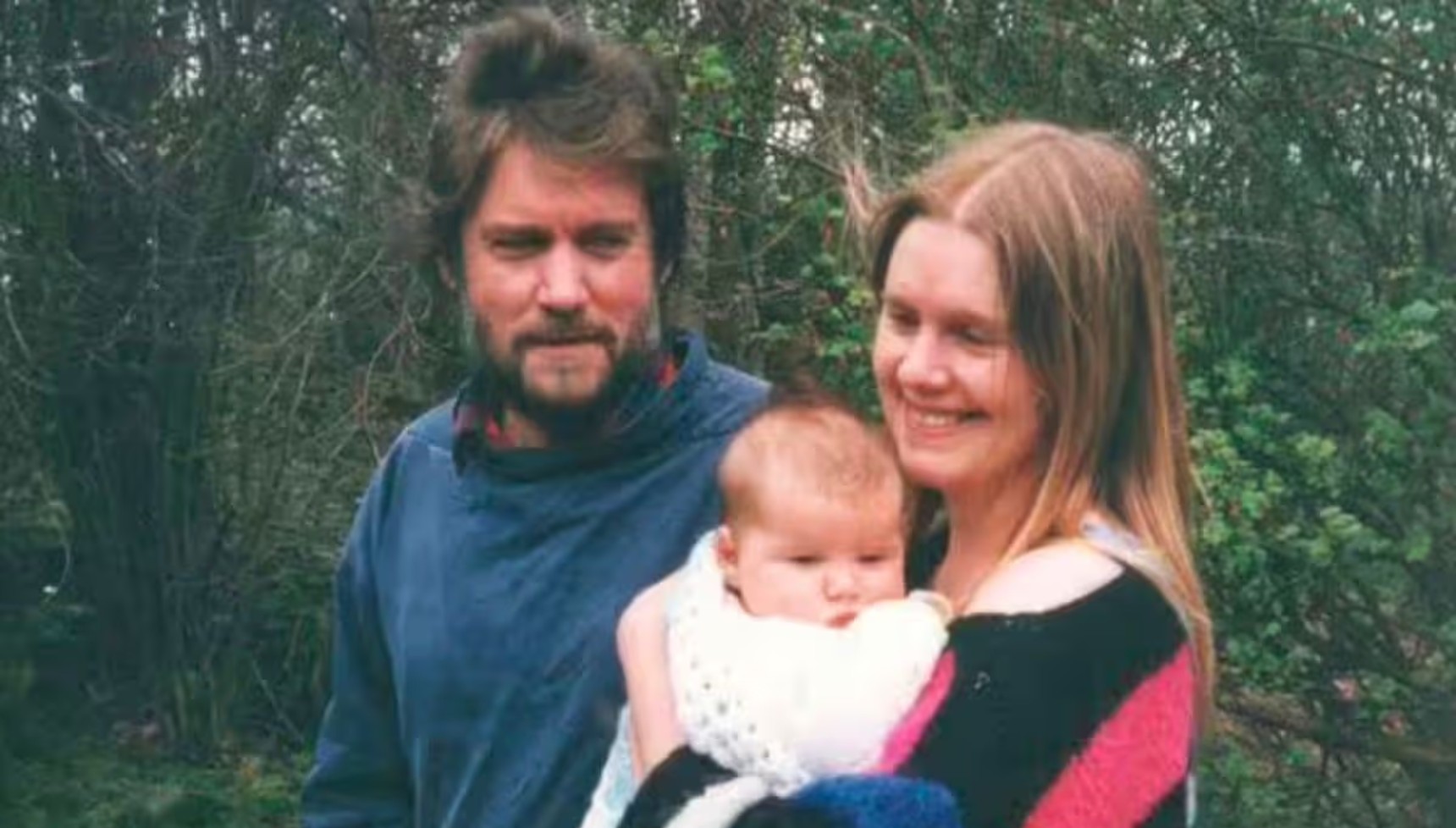
The Witch Farm true story: Where are Liz and Bill Rich now?
Sadly, living in the remote Welsh farmhouse from 1989 to 1996 “mentally and emotionally destroyed” Rich. According to Mark Chadbourn’s book Testimony, Bill struggled with severe psychological trauma after the ordeal. He allegedly also had his own inner “demons” already embedded in him before the alleged paranormal events began.
As the unexplained events escalated, Bill became convinced that his teenage son Laurence (Jonathan in the TV show) was possessed. The couple subsequently sent him to boarding school.
A professional artist, Bill’s work changed drastically during this period, too. His canvases became filled with dark, surreal imagery and what observers described as “satanic” or demonic symbols.
Bill and Liz eventually separated. He died in 2016 as a result of heavy drinking and declining health.
Meanwhile, Liz remains connected to her story having worked closely with Danny Robins on the podcast, and new drama. Bill’s son Laurence has stayed out of the public eye and did not choose to take part in Danny Robins’ podcast The Witch Farm.
Lastly, Liz and Bill Rich’s son Ben lives a very private life, and has not spoken publicly about his family experiences. Their second child, a daughter, is Becca Rich. She was just a baby during the events at Heol Fanog. She did take part in the podcast and has spoken about growing up during those events.
Sceptics remain unconvinced about the events at Heol Fanog
Of course Liz Rich’s account of what happened at Heol Fanog is an unverified claim rather than a proven fact. While the story is supported by witness accounts, paranormal claims inherently lack objective physical proof. Naturally, skeptics generally view accounts of hauntings and poltergeists with doubt.
Talking about the upcoming series, one TVGuide.co.uk reader said: “Be aware, this is a made up story by two people who were con artists and chasing the money!”
A podcast listener said: “So, I’m a skeptic. I’m at the point when the eldest son has just got kicked out. And this point is heartbreaking to me. Why would a father do that? Also, why would you think to bring a third child into this house if you believed it was dangerous? I’d never talk to my family again.
“Honestly, at this point in the story, my thought is that this family is in need of money. Bill’s an artist losing money, and they are trying to build a story to sell his work. My opinion might change, but I just can’t get over the fact they’d send the teen away unless it’s because it’s harder to brainwash a teen than it is two babies. It’s telling he didn’t want to be a part of the series. Also, I can’t believe they got a dog if all animal’s died.”
A third added: “I think the son was sent away because, whether or not they were pulling a con, they were a family in crisis anyway and not making rational decisions.”
Lastly, another sceptic said: “I’ve been to the house. There’s no way he kicked the son out as there’s literally no amenities or places to go within walking distance. I very much doubt it happened. It was more of an exaggeration to further the narrative.”
“Quite entertaining as a spooky story, but I don’t believe a word of it,” said another.