
Blue Planet III episode 4: Sea lion hunts king penguins on land in a world-first for the BBC series
A hunt never caught on camera beforeBlue Planet III heads to the ends of the Earth in episode four, Polar Waters, and it includes a hunt that has never been filmed before.
Narrated by Sir David Attenborough, tonight’s episode follows cold currents from the Arctic and Antarctic around the globe, showing how the polar seas carry oxygen and nutrients to wildlife far beyond the ice.
The sea lion that hunts penguins on land
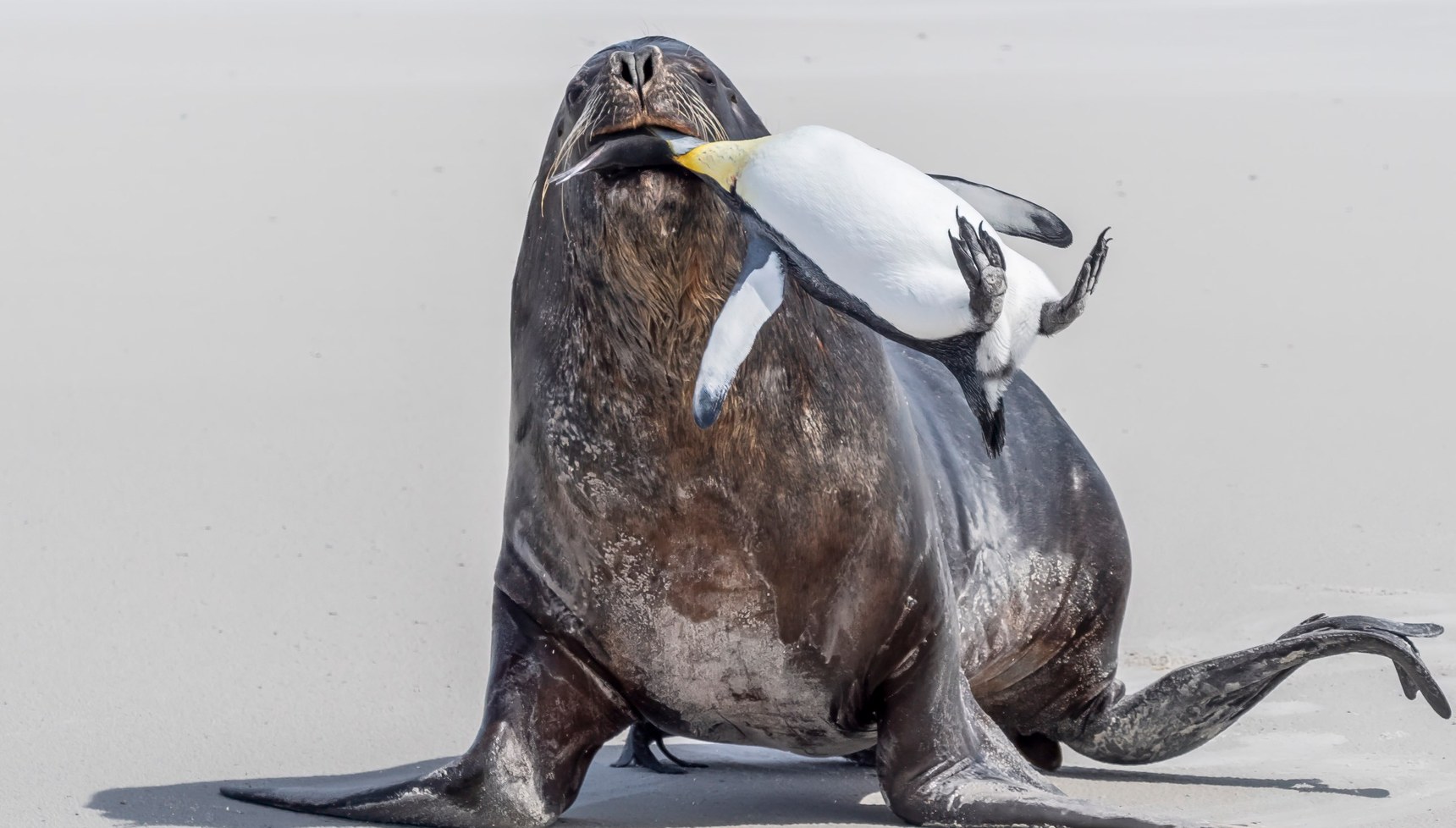
The standout moment comes in the Falklands, where a huge male southern sea lion has learned to hunt king penguins on the beach as they return from feeding at sea.
Producer Sarah Conner says the team heard about him from a local warden who had worked in the area for around 10 years.
“Sea lions are marine mammals and, although you do see them moving on land, it doesn’t look easy – these are huge animals, about the weight of a piano,” she said.
“But this particular male had honed his hunting technique and become incredibly successful. Once he had locked onto a penguin, we rarely saw him fail. We were all really excited because a southern sea lion deliberately hunting king penguins on land had never been filmed before.”
Catching it on camera wasn’t easy. The beach was almost a mile long, and the team spent a long time learning his habits. They discovered that at low tide, he hid in a pool higher up the beach, out of sight of the penguins.
During filming, other sea lions began arriving and trying the same technique.
Bluefin tuna off the coast of the UK
Polar Waters is the series’ most global episode, Sarah explains, as it follows cold water from the poles all the way to the British Isles.
Those currents bring Atlantic bluefin tuna to the coast of the UK, and the giant fish are now hunting off our shores once again.
“It seems almost unimaginable that such enormous fish should be found in our waters, but it’s completely natural, and their return shows what can happen when people work together to support recovery,” she said.
What else is in Blue Planet III episode 4?
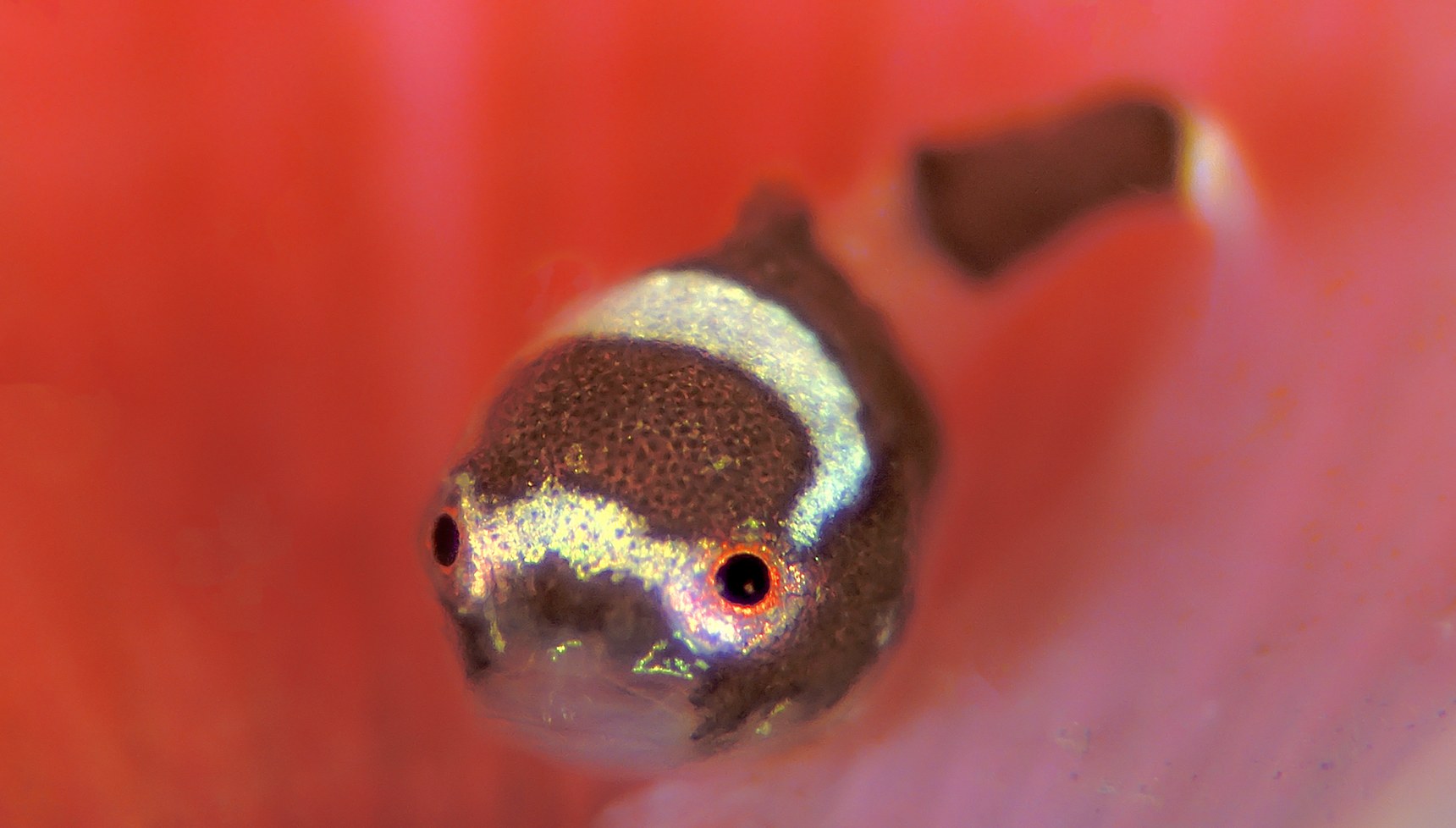
In Japan, a male dwarf lumpsucker, no bigger than a pea, builds a nest in the cold-water currents and guards his eggs day and night. It’s the smallest fish in the series, and cameraman Hugh Miller had to adapt almost every part of his macro filming kit to get close enough.
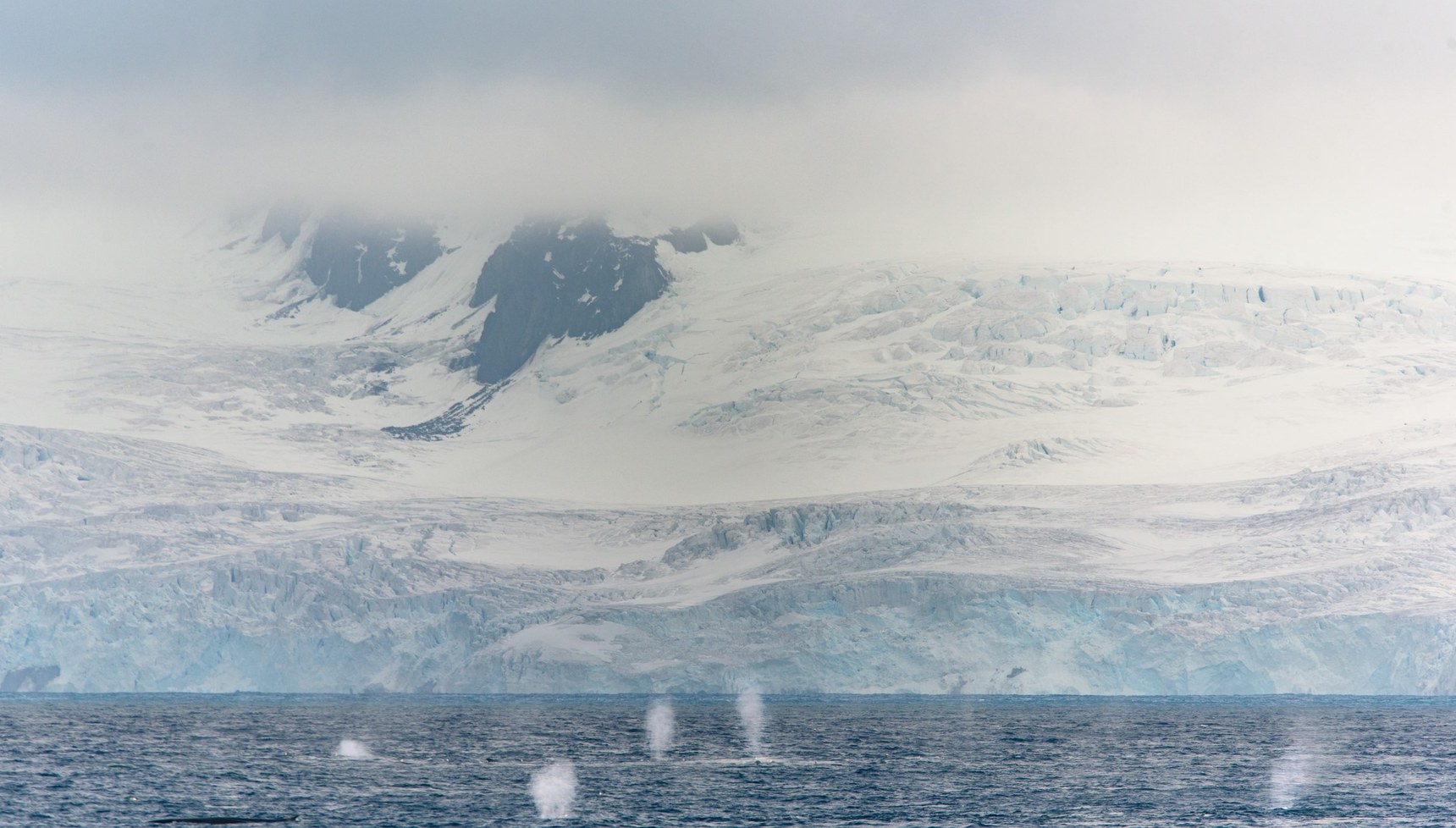
Around Antarctica, hundreds of fin whales gather at one of Earth’s greatest feeding grounds, working together in spectacular synchrony to feast on swarms of krill. The whales’ numbers are recovering thanks to reduced hunting.
Beneath the sea ice, giant sea spiders roam ancient glass sponges, and tiny amphipods hitch rides on jellyfish and sea angels to escape danger.
In the rapidly warming Gulf of Maine, puffin parents struggle to feed their chicks. And in Svalbard, a young polar bear comes across unfamiliar prey as its world changes.
‘The poles matter to all of us’
Sarah hopes viewers will come away realising how connected the world’s oceans are.
“What happens in the polar seas affects every ocean on the planet and ultimately affects all of us, even here in Britain,” she said.
“The challenges facing our oceans can feel enormous, but that doesn’t mean we are powerless.”
Read more: Blue Planet III episode 3: Sea lions hunt swans
How many episodes of Blue Planet III are there?
Blue Planet III has six episodes, airing every Sunday on BBC One. After Polar Waters, episode five airs on Sunday, November 29, with the final episode, Future Seas, on Sunday, December 6.
Blue Planet III continues on Sunday, November 22, at 8pm on BBC One and iPlayer.
This article was produced with the assistance of AI technology to synthesise source reporting and structured data. It has been reviewed, edited, and fact-checked by our human editorial team before publication.