
Blue Planet III episode 3: Sea lions hunt swans and whales give birth to dazzling white calves
An octopus that hunts on land, battling eelpouts and humpbacks off New York also feature in Seasonal SeasBlue Planet III heads into Earth’s most changeable waters in episode 3, as sea lions travel up to 30 miles upriver in Chile to hunt swans.
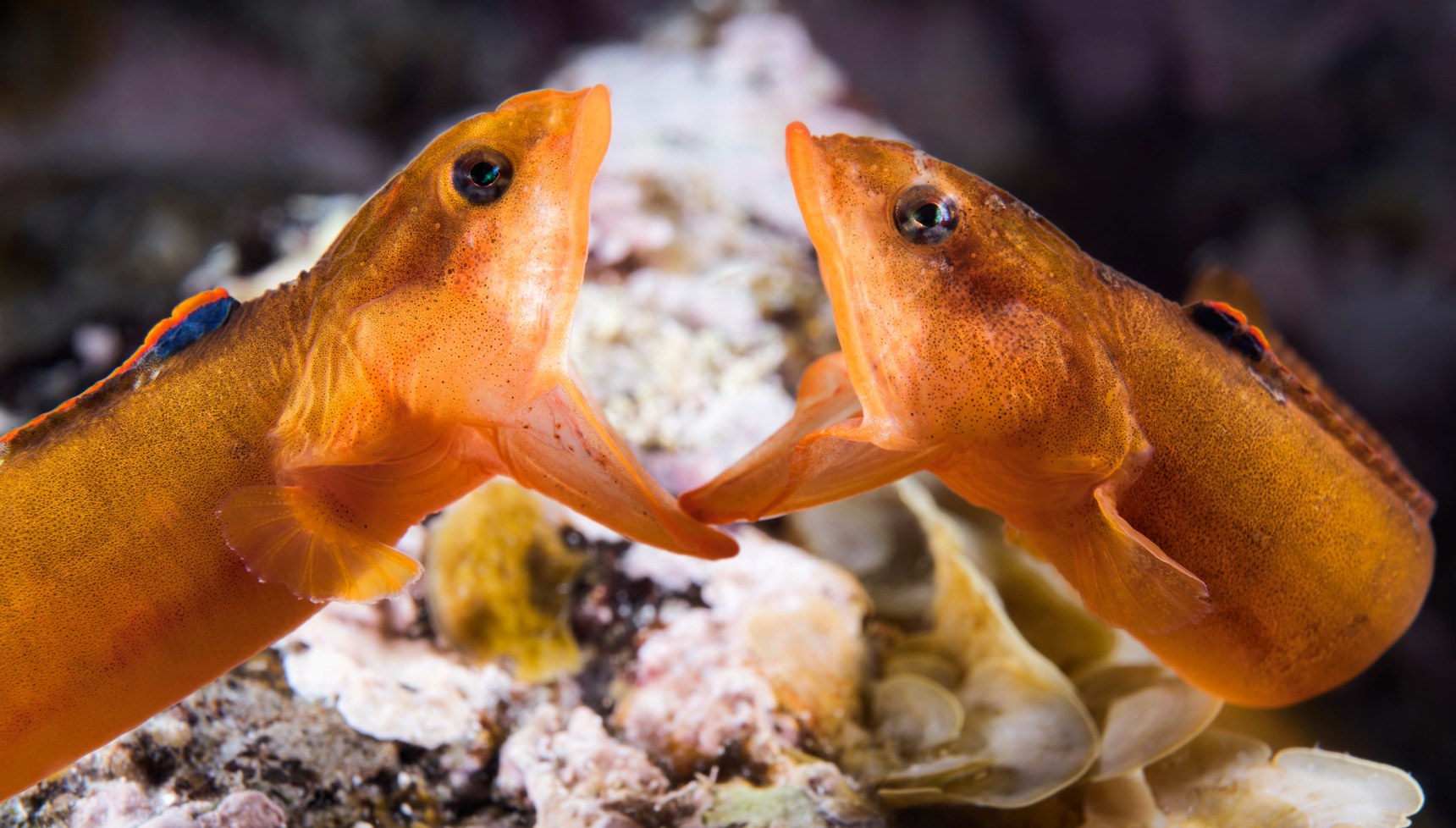
This instalment, titled Seasonal Seas, follows wildlife through the winter storms, spring blooms and summer heat of the seas between the tropics and the poles. Here, bright orange female eelpouts fight mouth to mouth for a mate.
What happens in Blue Planet III episode 3?
In Chile, some of the boldest South American sea lions leave the coast and head inland to hunt swans in a vast wetland.
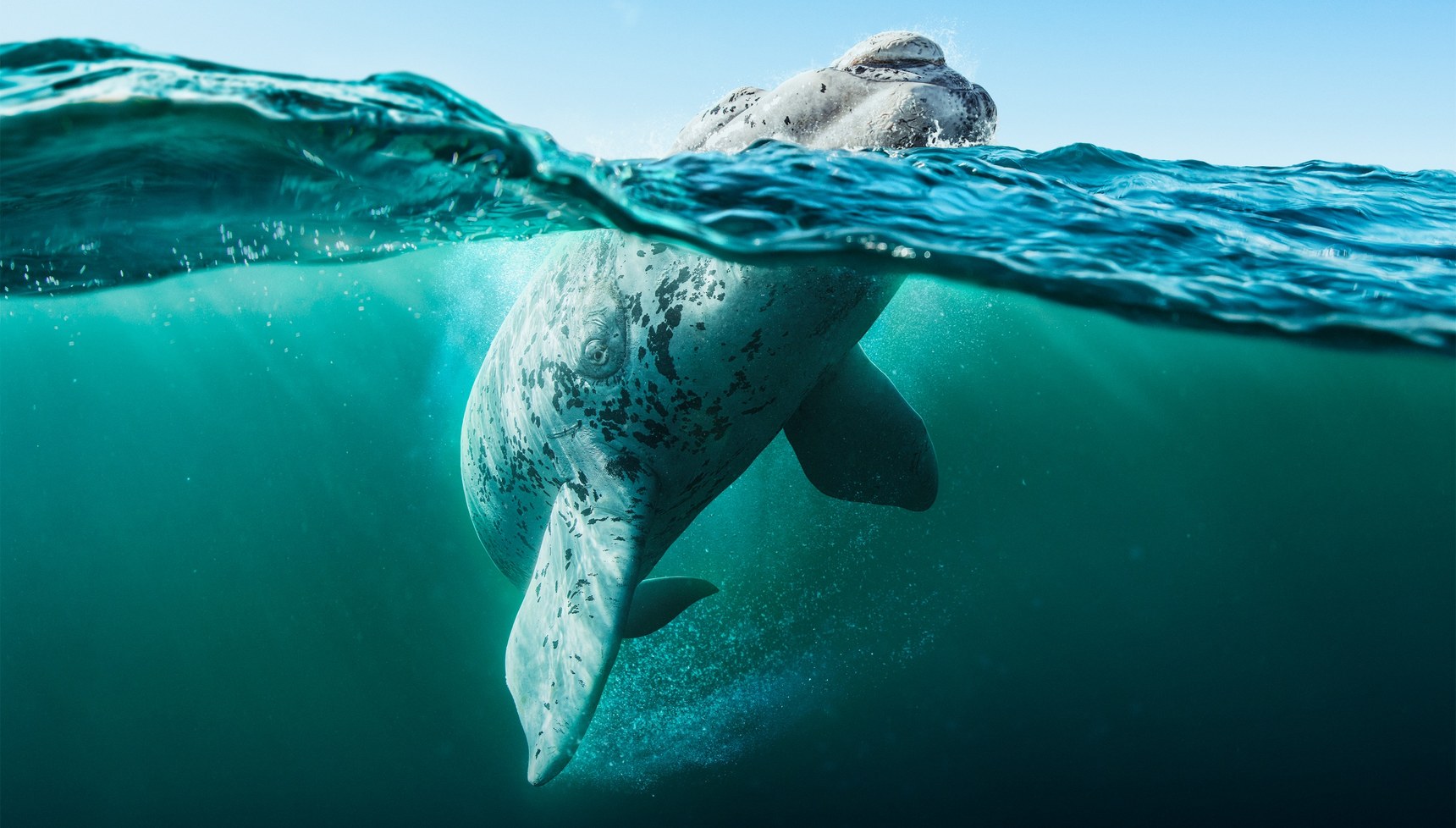
Southern right whales battle through some of the roughest seas on Earth to reach sheltered bays, where many give birth to “dazzling white calves”.
In spring, hundreds of millions of crabs gather to feed. Off New York, sharks, dolphins and humpback whales are making a comeback.
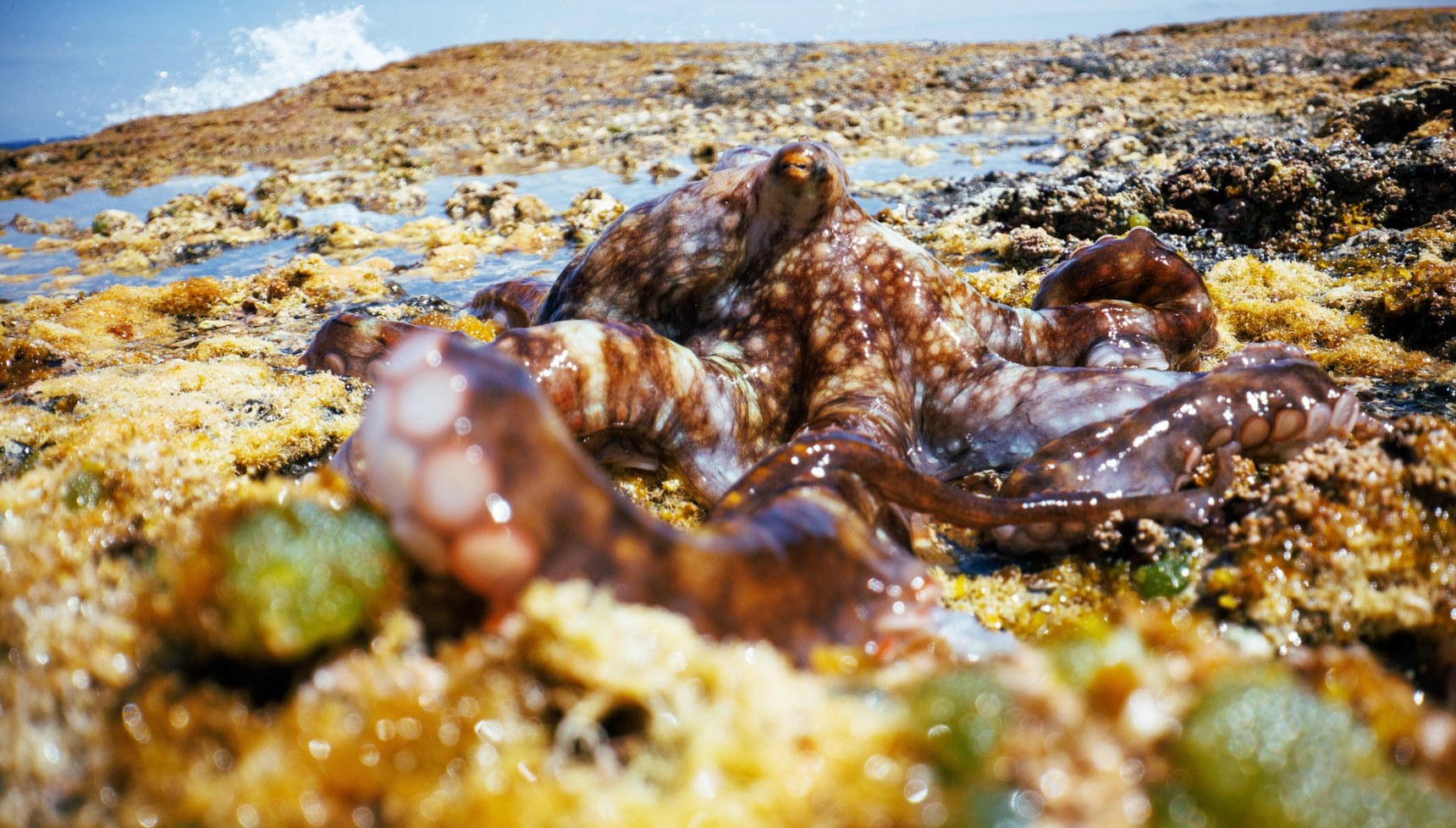
The octopus that hunts on land
On remote Pacific islands in Japan, the team followed a female octopus that leaves her rock pool to hunt on land, racing back before she dries out.
Episode producer Joanna Haley spent six weeks with her. She said: “I was gobsmacked – it was just so bizarre to see an octopus navigating my terrestrial world!”
She added: “They can hardly breathe when they’re out of the water, so it’s incredibly risky.”
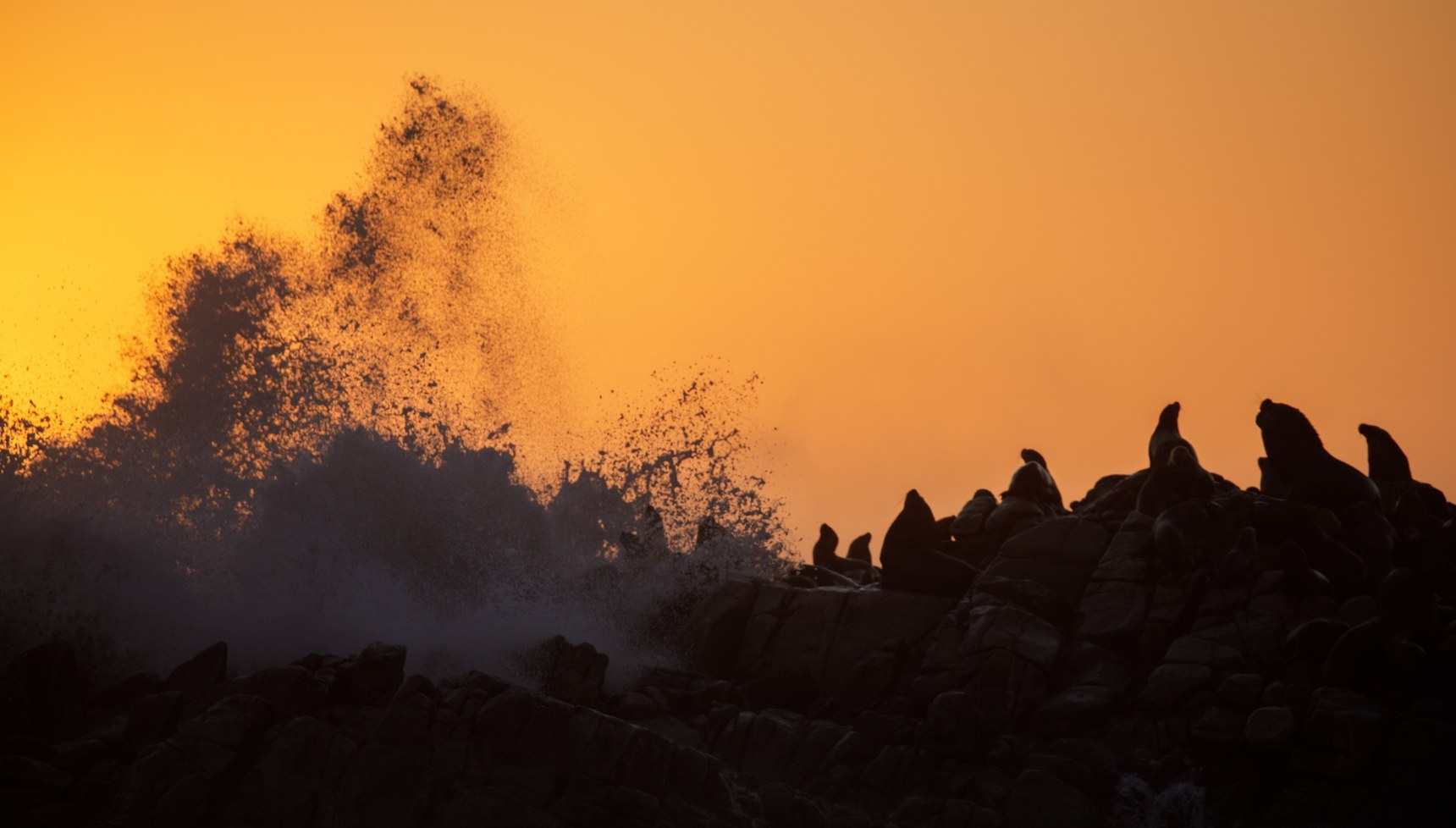
Sea lions hunt swans in freezing fog
The swan hunt was one of the hardest sequences to film. Only a handful of sea lions had learnt to catch the birds, in a wetland of around 60 sq km full of submerged trees.
Joanna said: “The team were working from a small boat in the depths of winter, with no shelter from the dense fog and daily six hours of freezing rain.”
Over the four-week shoot, there were only a handful of days when the rain eased enough to film.
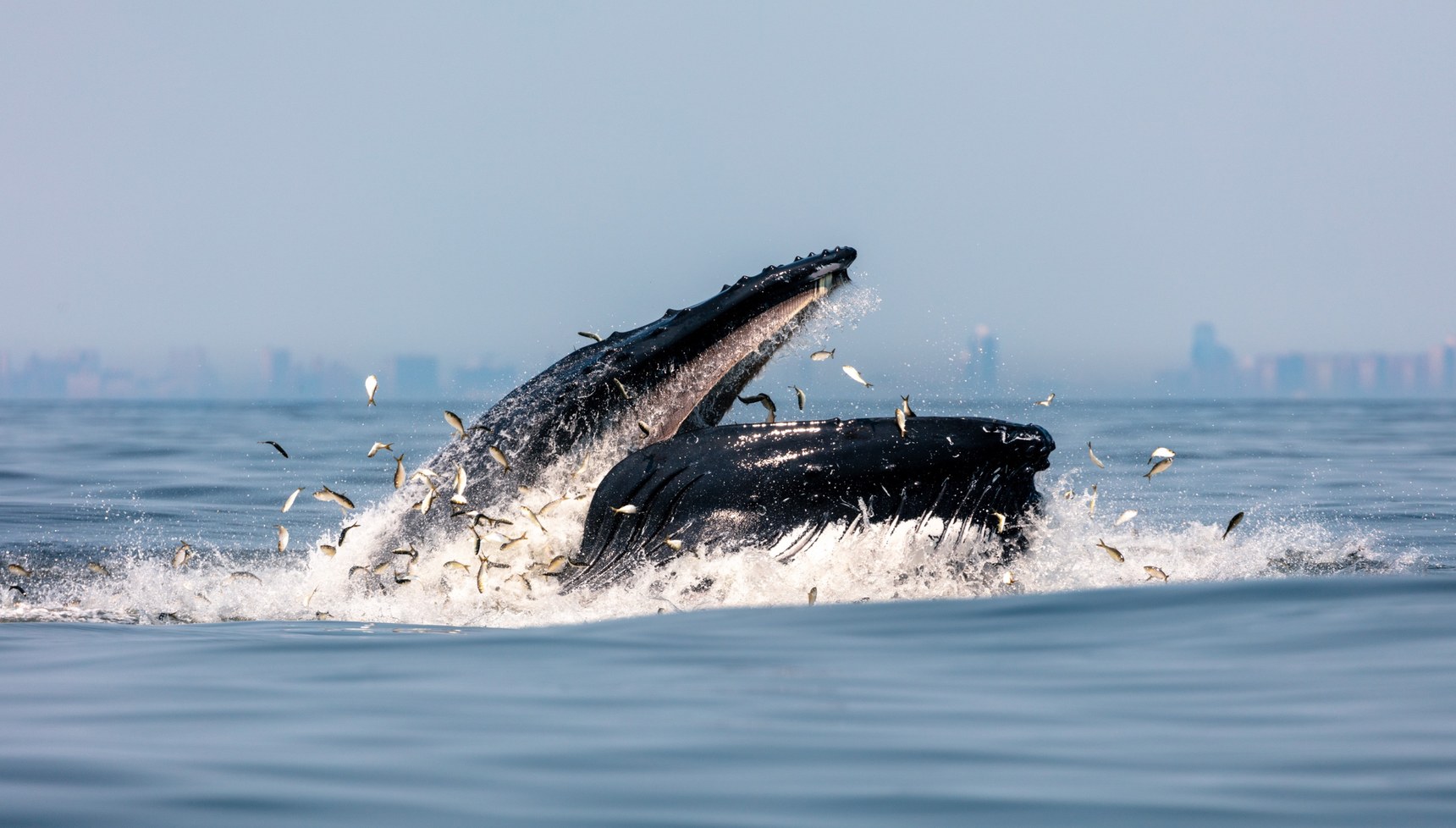
Humpback whales return to New York in Blue Planet III
Off New York City, humpback whales are feeding on menhaden, a fish whose migration had almost disappeared from these waters. It recovered after fishing quotas were introduced.
Joanna said: “One of my favourites was a humpback whale breaching in front of the New York skyline. A genuine once-in-a-lifetime moment.”
Read more: Blue Planet III episode 2 – killer whales take on the biggest animal to have ever lived
Blue Planet III’s new filming tricks
To film the octopus above and below the waterline at once, the BBC built a four-inch “minidome” that fits on the end of a macro lens. Joanna believes it’s the first macro split shot of its kind.
The team also flew waterproof drones through winter storm waves, and left sound recorders on the seafloor overnight to capture natural underwater noise.
Where was Blue Planet III episode 3 filmed?
The Blue Planet III filming locations for Seasonal Seas span four continents.
- Sea lions hunting swans: Chile
- Porcelain crab gathering: Chile
- Octopus hunting on land: remote Pacific islands, Japan
- Seahorse: Portugal
- Picarel nesting colony: Corsica, Mediterranean
- Humpback whales and menhaden: New York, US
How many episodes of Blue Planet III are there?
There are six episodes: Tropical Seas, Open Ocean, Seasonal Seas, Polar Waters, The Deep and Future Seas.
Blue Planet III continues on Sunday, November 15, at 8pm on BBC One and BBC iPlayer.
This article was produced with the assistance of AI technology to synthesise source reporting and structured data. It has been reviewed, edited, and fact-checked by our human editorial team before publication.