Blue Planet III: 6 jaw-dropping moments from Tropical Seas, and where they were filmed
Team-hunting sharks, a dolphin genius and a real-life Nemo are the stars in episode oneBlue Planet III returns with its second episode tonight, but if you missed last week’s spectacular opener, Tropical Seas, it’s being repeated today, and it’s well worth catching up on.
Nine years after Blue Planet II changed the way Britain thought about plastic, Sir David Attenborough is back beneath the waves, and the first episode had viewers reaching for the tissues within minutes.
Here are the moments that had everyone talking, and where in the world they were filmed.
1. The sharks that hunt like a pack
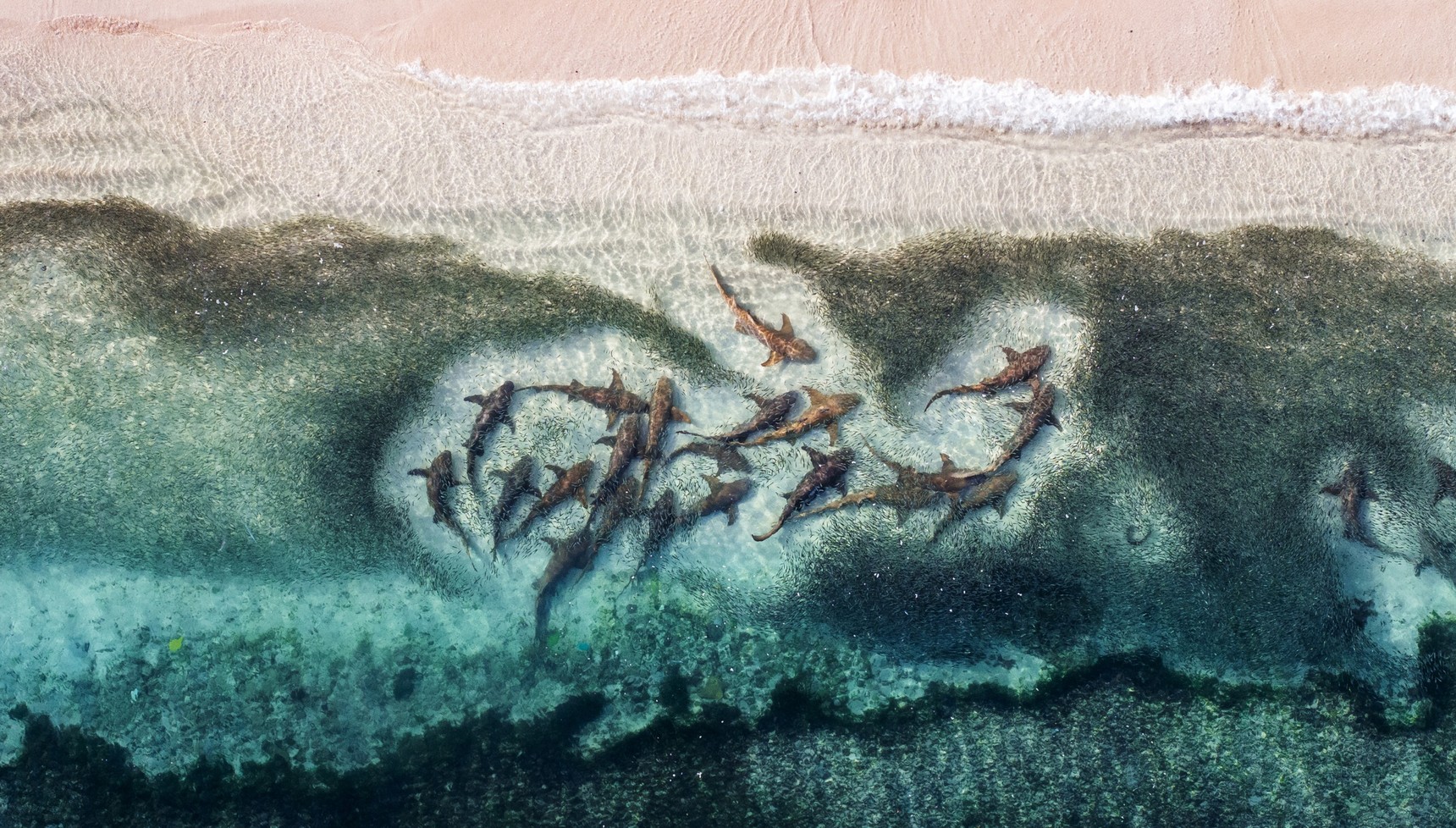
Forget everything you think you know about sharks. Off Murray Island in Australia’s Torres Strait, the episode opened with tawny nurse sharks, slow, docile and armed with tiny teeth, working together in groups of up to 40 to drive shoals of fish onto the beach, before hoovering them up.
The production team believe it’s the only place on Earth where sharks are known to hunt as a team. Not bad for a creature the episode’s producer compared to “a puppy”.
2. Gambarra, the dolphin who outsmarted science
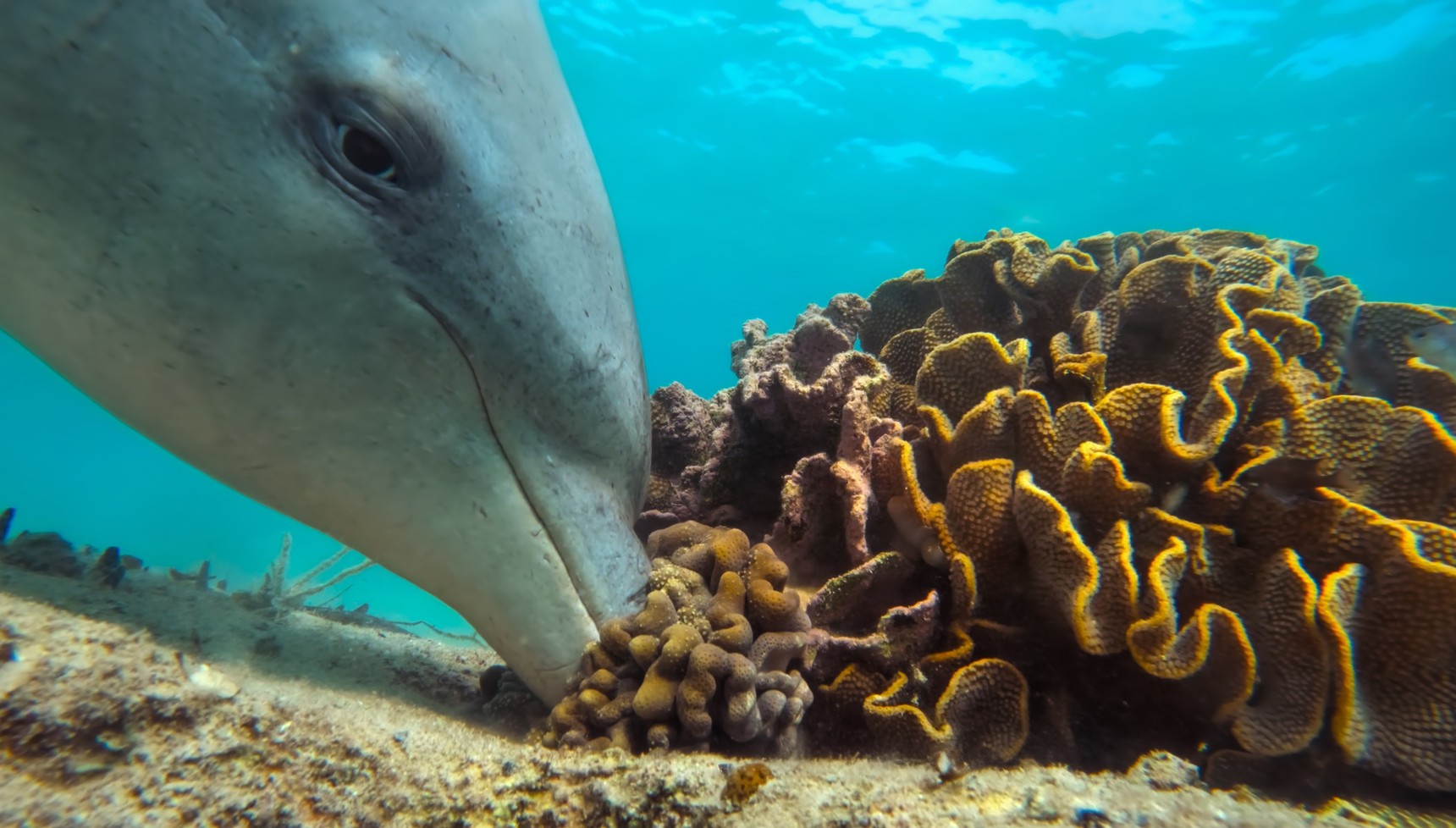
For 40 years, scientists in Shark Bay, Western Australia, puzzled over why some dolphins carry sea sponges around on their beaks. The theory was that they used them as protective gloves while rooting through the sand.
Then the Blue Planet team met Gambarra. Using remote underwater cameras left running for 24 hours at a time, they discovered she was doing something far cleverer: plugging the holes in the coral where fish hide, so that when she chases them, there’s nowhere to escape.
It’s believed to be one of the most sophisticated examples of trap-setting ever seen in the animal kingdom, and the findings are now heading for scientific publication. Fittingly, her name comes from the Malgana Aboriginal word for “clever”.
3. A fishy partnership in the Red Sea
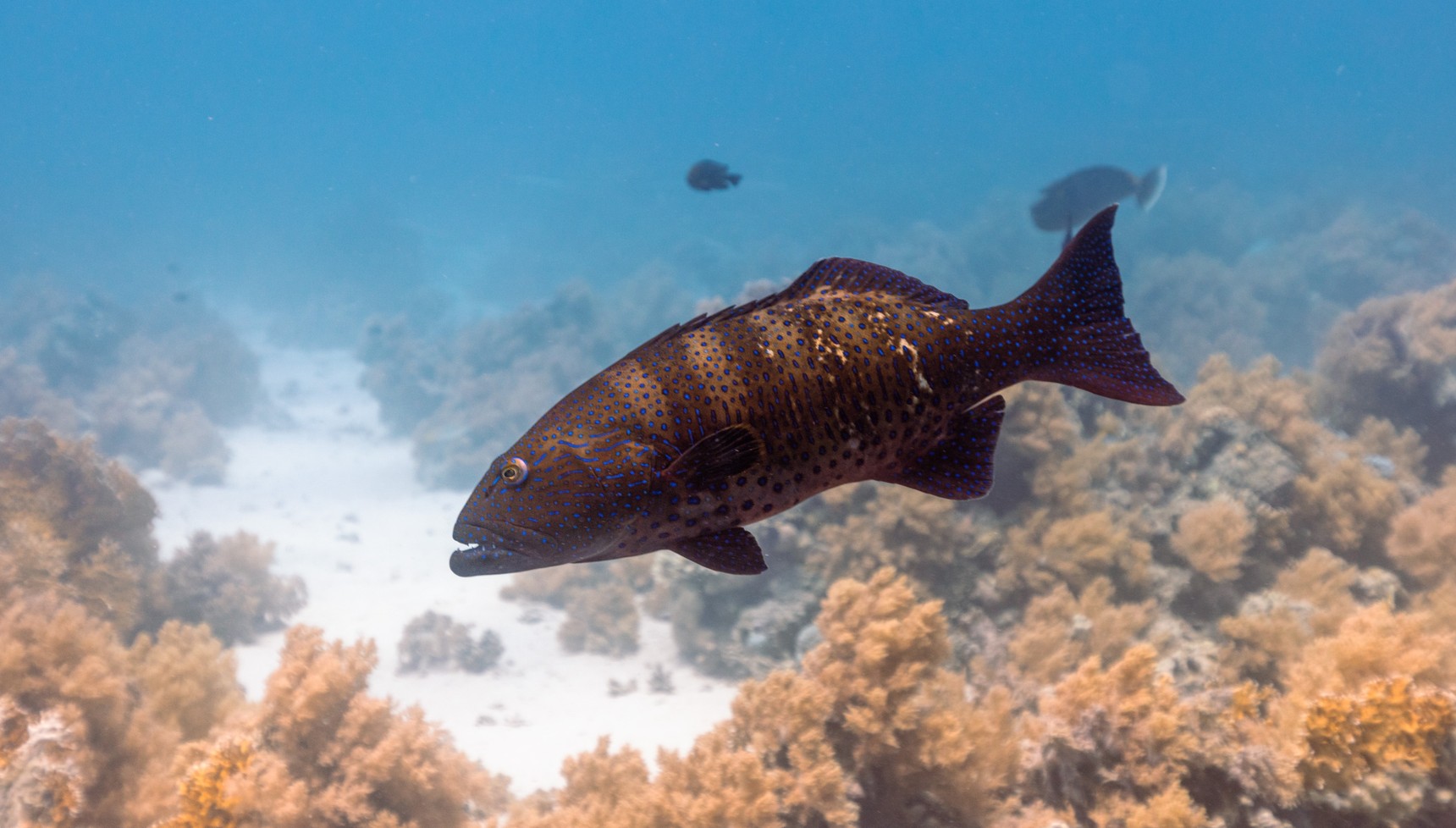
In Egypt’s Ras Mohammad National Park, a roving coral grouper was filmed recruiting not one but two hunting partners, a moray eel and a Māori wrasse, and signalling to them to flush prey out of the reef. It’s enough to make you rethink the phrase “fish brain”.
4. The tiny shrimp with a big appetite
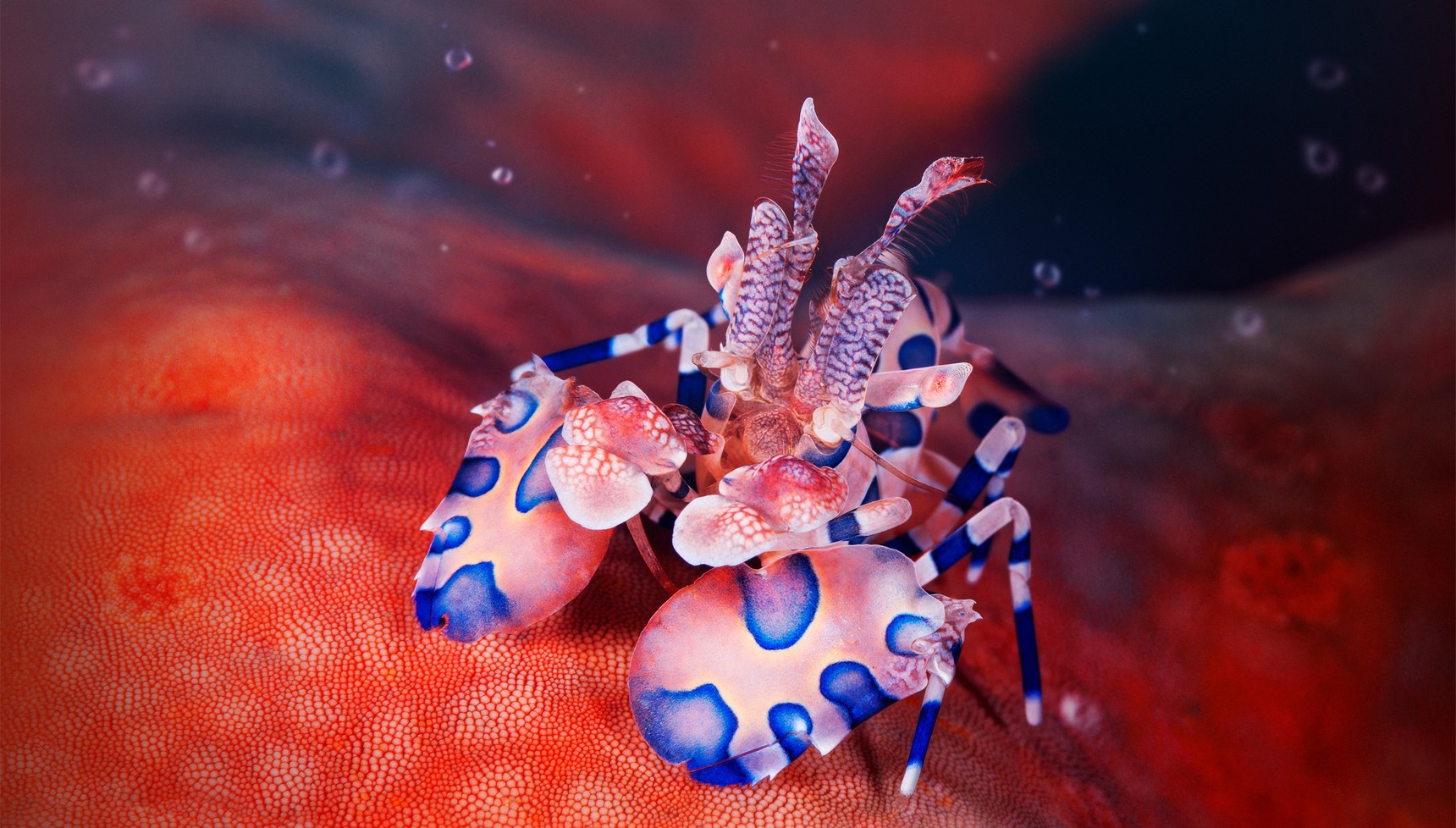
After dark in Tulamben, Bali, harlequin shrimp just 5cm long took on starfish almost 20 times their size, flipping them over in a sequence that was part heist movie, part horror film.
5. A whale’s final gift
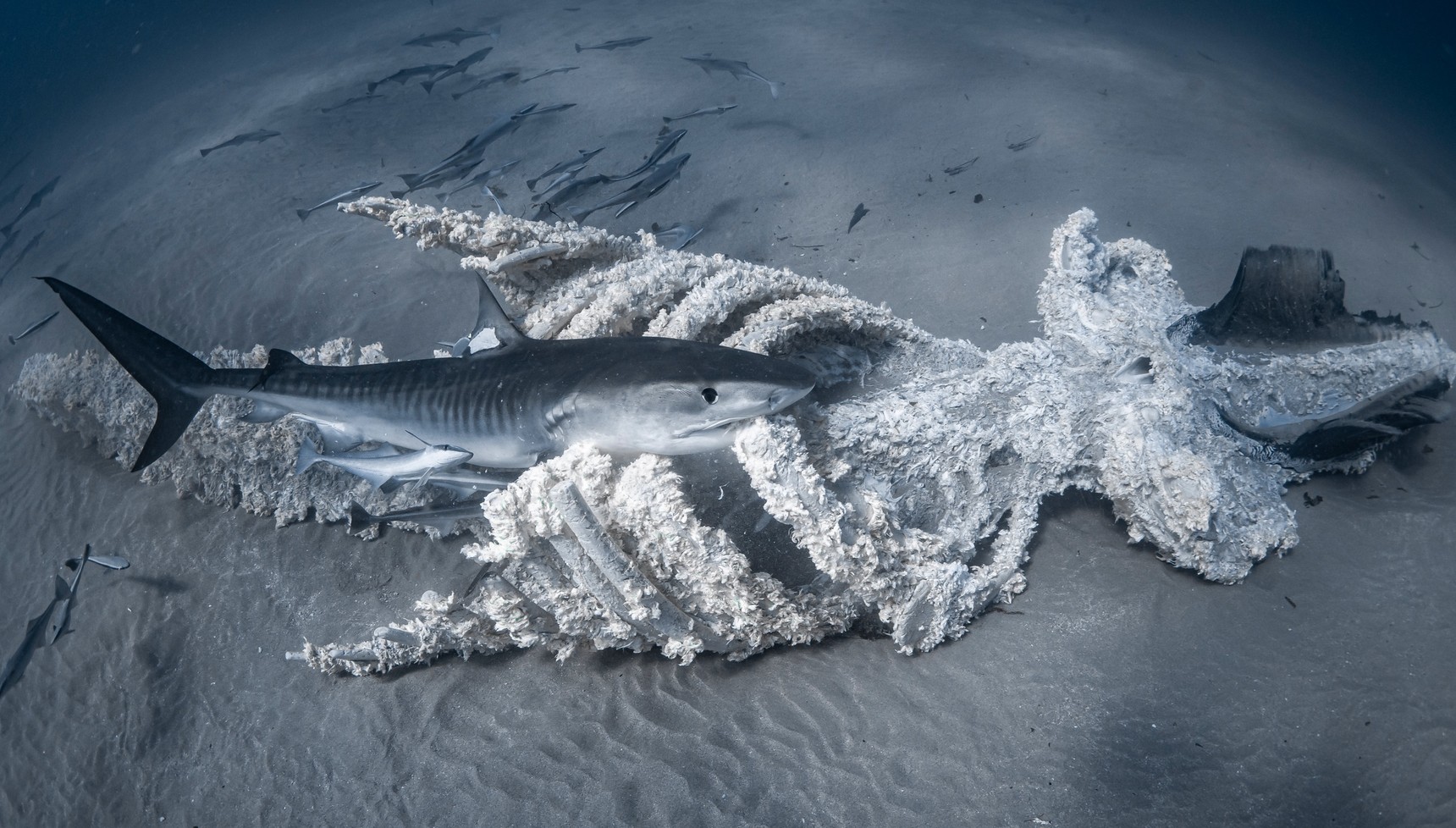
Off Ningaloo in Western Australia, the episode followed a humpback whale on what would be her final journey, before revealing how her death brings life to one of the most barren stretches of the tropical ocean.
Humpbacks themselves are one of the ocean’s great comeback stories. From just 5,000 in the 1960s, there are now thought to be more than 135,000.
6. The real-life Nemo
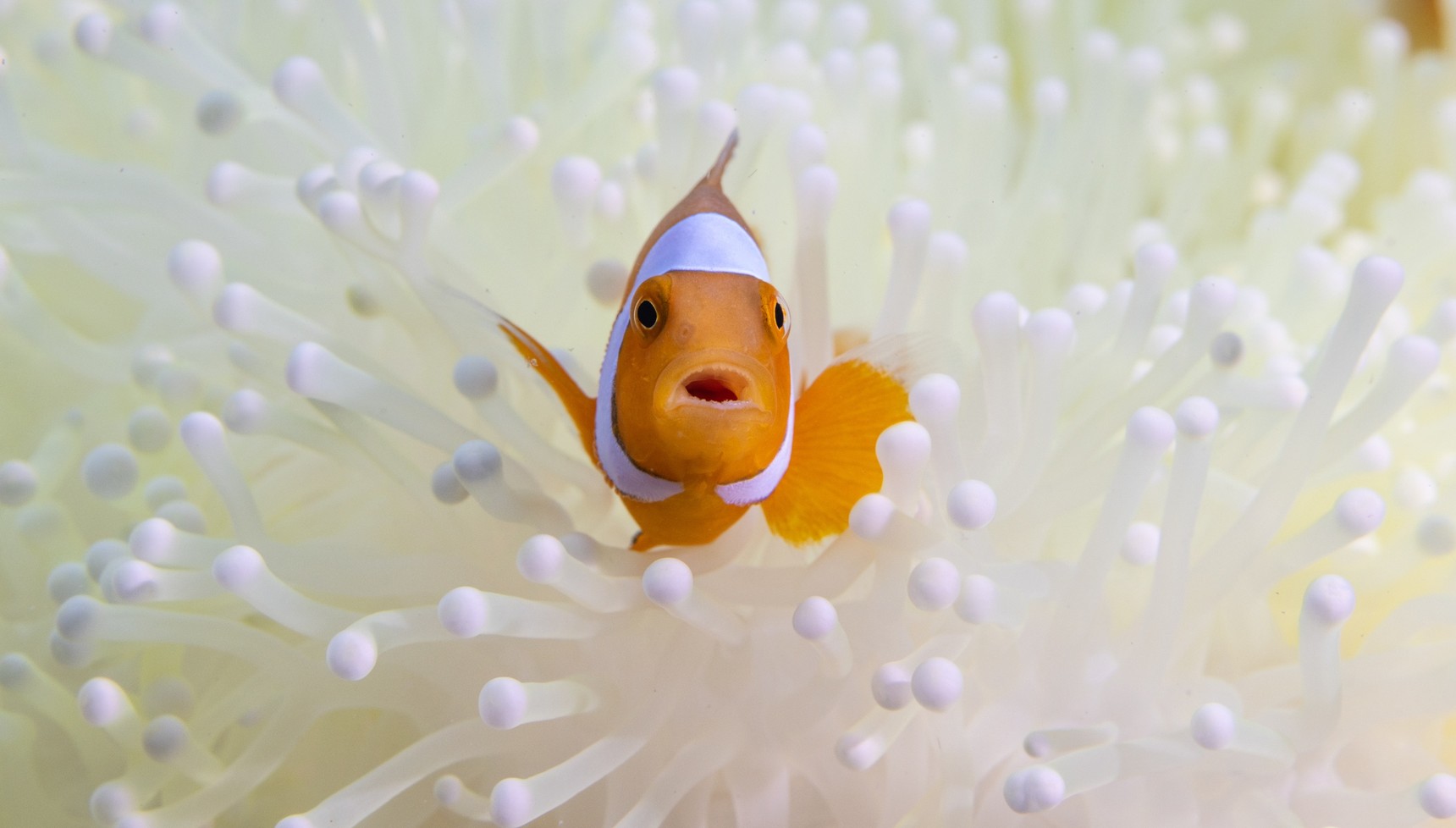
The most heartbreaking story came from Kimbe Bay in Papua New Guinea, where a marine heatwave bleached the sea anemone a clownfish family calls home. The clownfish worked tirelessly to save it, fanning it with water and cleaning its tentacles.
Happily, when the crew returned three months later, the waters had cooled and the anemone had recovered, a small but hopeful ending in an episode that didn’t shy away from the threats facing coral reefs.
Where was Blue Planet III episode 1 filmed?
- Team-hunting sharks: Murray Island, Torres Strait, Australia
- Sponging dolphins: Shark Bay, Western Australia
- Grouper hunting partnership: Ras Mohammad National Park, Egypt
- Harlequin shrimp: Tulamben, Bali, Indonesia
- Whale fall: Ningaloo Marine Park, Western Australia
- Tiger shark vs turtle: Fernando de Noronha, Brazil
- Dugongs: Marsa Mubarak, Egypt
- Fiddler crabs vs scarlet ibis: Ilha dos Lençóis, Brazil
- Clownfish: Kimbe Bay, Papua New Guinea
‘Made me cry before it even tried to’
Viewers were quick to share their reactions on social media. “Made me cry before it even tried to make me cry. Just beautiful,” wrote one, while another declared: “David Attenborough is an absolute legend!!”
Blue Planet III theme tune
The series’ theme tune has also proved a hit. Into The Deep (Seas Cry), a collaboration between JADE and Hans Zimmer, has racked up more than 800,000 listens on Spotify.
Attenborough at 100
Remarkably, Sir David, who turned 100 in May, recorded the narration for the series himself, and its producers say he hasn’t lost his touch.
“The enthusiasm and passion he brings to every line is extraordinary,” said series producer Lara Bickerton.
What’s next on Blue Planet III?
Tonight’s episode 2, Open Ocean, heads out into the vast blue, and ends with killer whales attempting to hunt an adult blue whale, the largest animal ever to have lived.
Read more: Blue Planet III episode 2: Killer whales take on the biggest animal ever to have lived in Open Ocean
Blue Planet III continues on BBC One and BBC iPlayer tonight at 8pm.
Episode one is repeated on BBC One at 4.15pm, and is available on BBC iPlayer.
This article was produced with the assistance of AI technology to synthesise source reporting and structured data. It has been reviewed, edited, and fact-checked by our human editorial team before publication.