Hunting Alice Bell on Channel 4: The 'chilling' true story that inspired troubling thriller about 'mob hate' and 'online vigilantes'
Writer David Baddiel watched a documentary about a notorious woman who provided a false alibi
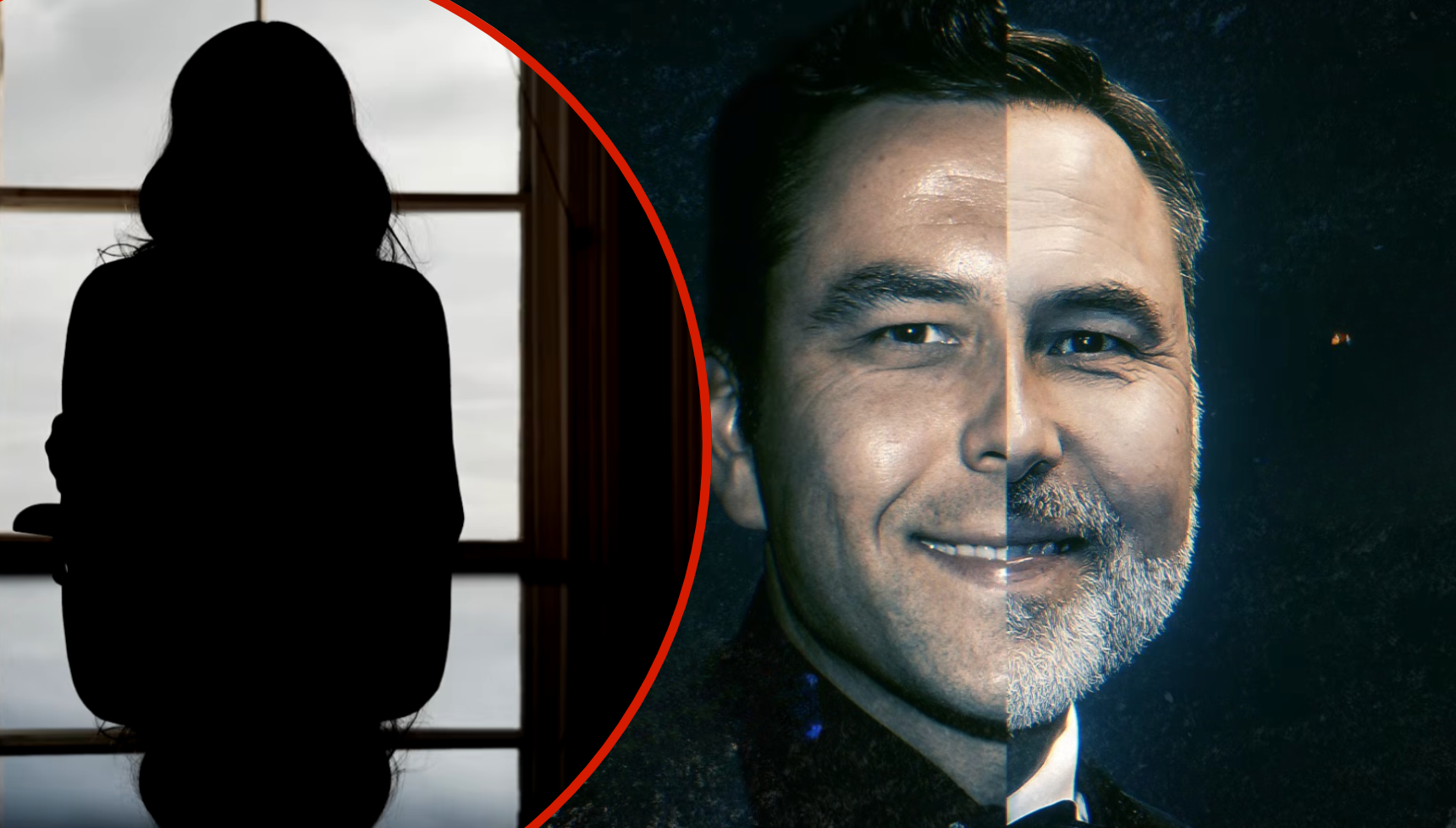
Hunting Alice Bell is a psychological thriller written by comedian and author David Baddiel, and he took inspiration from an infamous true story.
David Baddiel teamed up with The Guardian film critic Peter Bradshaw to write the six-part series. And it deals with some very real issues in today’s social media-obsessed society.
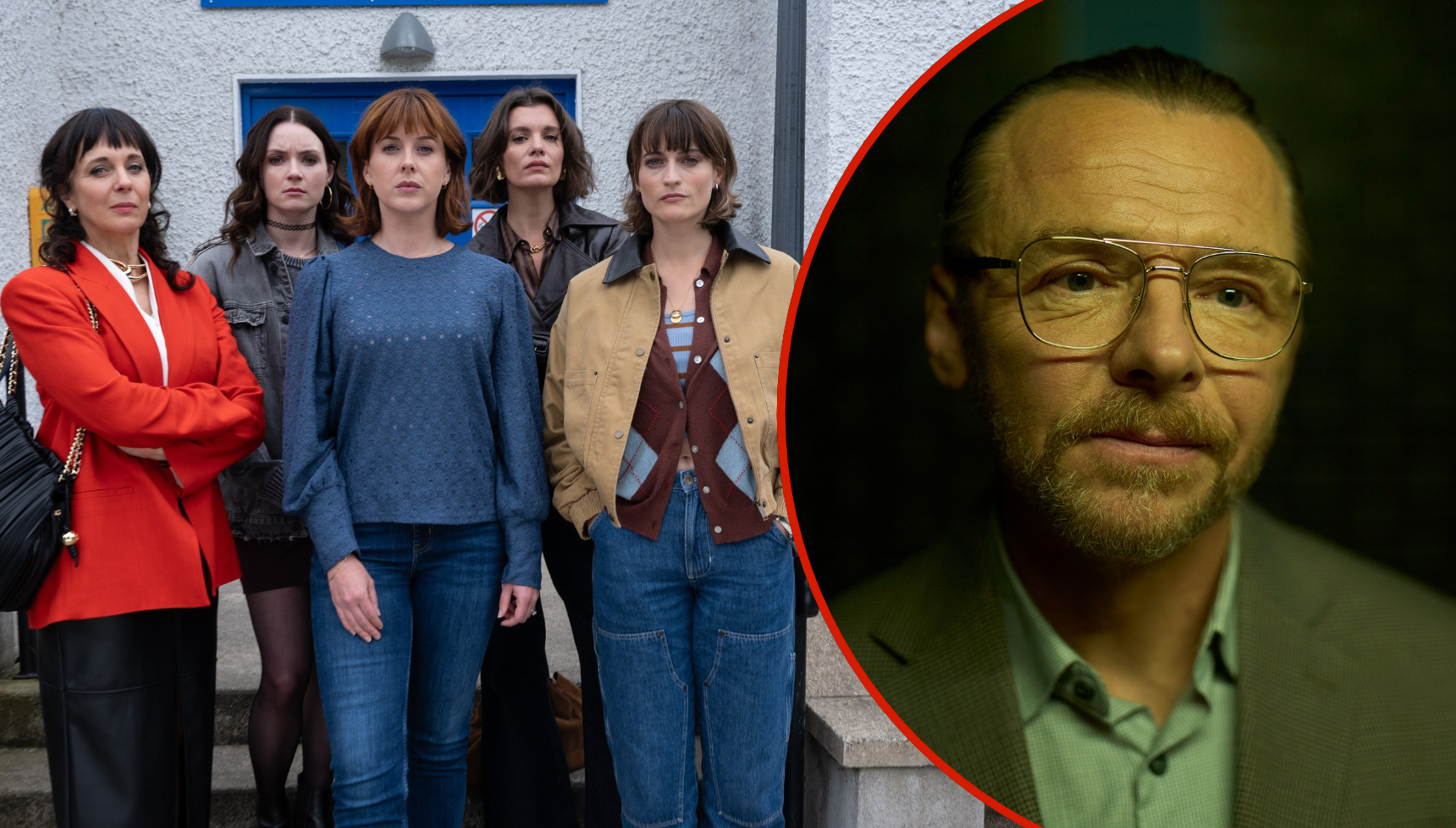
Built around a “whodunnit with shades of family drama and social satire”, it tells a story for our times. Viewers meet Fran Da Silva, a wife and mother of three who leads a normal life until someone falsely accuses her of being a convicted criminal.
The series shines a light on “misogyny, justice, and the psychosis of the mob”. It examines how rumours spread and the devastating effects they cause.
Here’s the “chilling” true story that inspired David Baddiel to write Channel 4 thriller Hunting Alice Bell.

Is Channel 4 thriller Hunting Alice Bell based on a true story?
Hunting Alice Bell draws inspiration from a true story, although Alice Bell herself is fictional. In the drama, Fran Da Silva finds herself the subject of a witch hunt when she falsely accused of being a convicted criminal.
The fictional character of Alice Bell is a former nurse, who embarked on a relationship with serial killer Dr Jason Nash (also known as The Sandman). She subsequently received an 18-month prison sentence for falsifying operating theatre records to provide the doctor with an alibi.
While he serves a life sentence for murdering 14 innocent people, authorities release her under a new identity. However, online vigilantes refuse to forget “Britain’s most hated woman”. Fran – along with other women – now faces a “wave of mob hate” as keyboard warriors attempt to track down the real Alice Bell and “make her pay”.
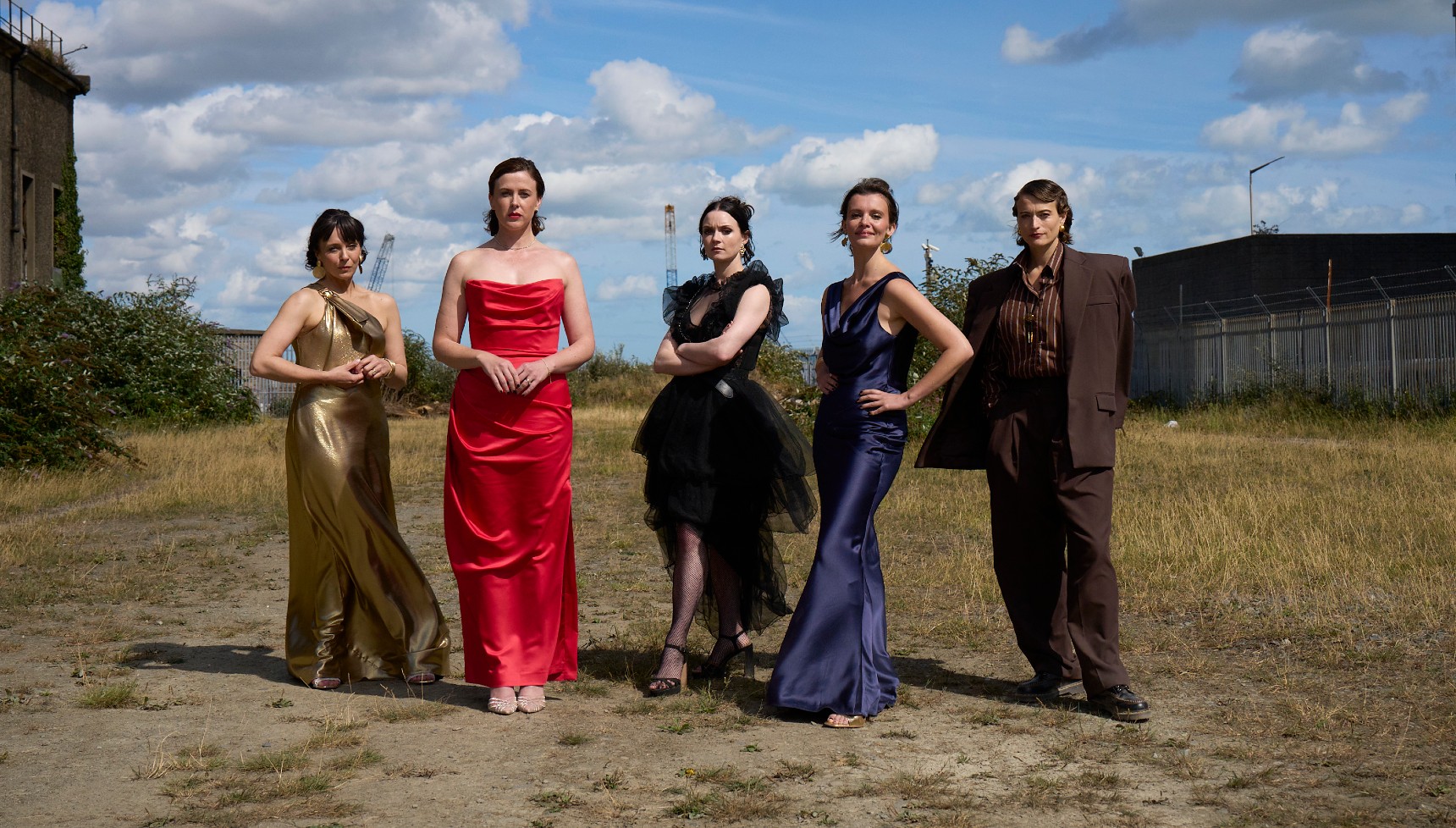
In the series, Fran and the other accused women band together to fight back against the mobs and internet trolls. But as they battle to prove their innocence, a proclamation from the serial killer himself casts doubt over the women. What if one of the group is lying and is the real Alice Bell…?
David Baddiel reveals real life inspiration behind crime drama
David Baddiel, who co-wrote the psychological thriller with Peter Bradshaw, reveals the series is “about how we live now, when people can create rumours, myths, lies and identities for others that don’t feel as if they belong to them”.
The Mary Whitehouse Experience star, who also executive produced the series, explained the true story that inspired Hunting Alice Bell.
He told us: “The original inspiration was a documentary I saw a long time ago called Being Maxine Carr. After authorities release Maxine Carr, they grant her lifelong anonymity. However, people in small towns begin targeting women with no connection to her, convinced they have found her living under a different name.
“There were four women in the documentary, and a couple of scenes in the show are based on what I saw. In one, a woman had just moved to a new area when rumours started. Within a couple of weeks, there was a mob in her garden, shouting at her. She came out with her passport to prove who she was. That has stayed with me.”
David added: “Part of it is the focus on women who’ve done something wrong, compared with the many men who do wrong. Maxine Carr was, at one point, considered one of the most evil people in Britain, even though Ian Huntley was responsible for killing two girls.”
The Maxine Carr documentary is “chilling”
Explaining why he chose to make the tale into a drama, David said: “The documentary had already been made. And it’s quite chilling in itself. But it’s also out of date because there was no social media in it.
“As I worked on the idea, I realised how much social media could turbocharge this story. It’s an enormous rumour-mongering and targeting machine. When a troll decides to target someone, they can build a huge crowd around them online, which can then spill into the real world.”
The 62-year-old continued: “There are real examples of this, but no single story that illustrates all of it. I had the idea of women being mistaken for an evil figure and working together to fight the rumours. Social media became the motor driving that targeting, and that led to the drama we have now.”
Of course, true crime fans – or anyone who alive in 2002 – will know that school caretaker Ian Huntley killed two 10-year-old girls, Holly Marie Wells and Jessica Amiee Chapman in Soham. His fianceé Maxine Carr, then 25, had worked as a teaching assistant Soham junior school.
She lied to the police about her whereabouts and falsely claimed she was with Huntley on the evening the two girls were murdered. Authorities later convicted Maxine of conspiring to pervert the course of justice after she lied to protect Huntley. However, she faced no charges for, and received no conviction in connection with the murders themselves.
The court sentenced Maxine Carr to 42 months in prison. She served 21 months before authorities released her on licence on May 14, 2004.
Is Hunting Alice Bell based on Lucy Letby?
Co-writer, co-creator, and executive producer David Baddiel also revealed that Lucy Letby was “an important point of reference”. He said: “The idea of Alice Bell, a nurse secretly having an affair with a murderous anaesthetist, was in my head, and in Peter Bradshaw’s, before the Lucy Letby case. But while we were in the writers’ room, it was very much in the news. I thought there was an extra resonance in the idea of a woman being a nurse, someone associated with giving life, being suspected of taking it.”
He added: “I’ve long been interested in how certain women become these super-evil figures in our culture. Myra Hindley and Maxine Carr, for example, can become more notorious than the men they’re associated with. I think there’s something gendered in that. I also noticed the rise of the internet amateur sleuth: people broadcasting from the site of a death or disappearance, saying they know exactly what happened and gathering followers. The internet can create certainty around a mystery.”
‘Alice Bell’s name also deliberately carries a trace of Mary Bell’
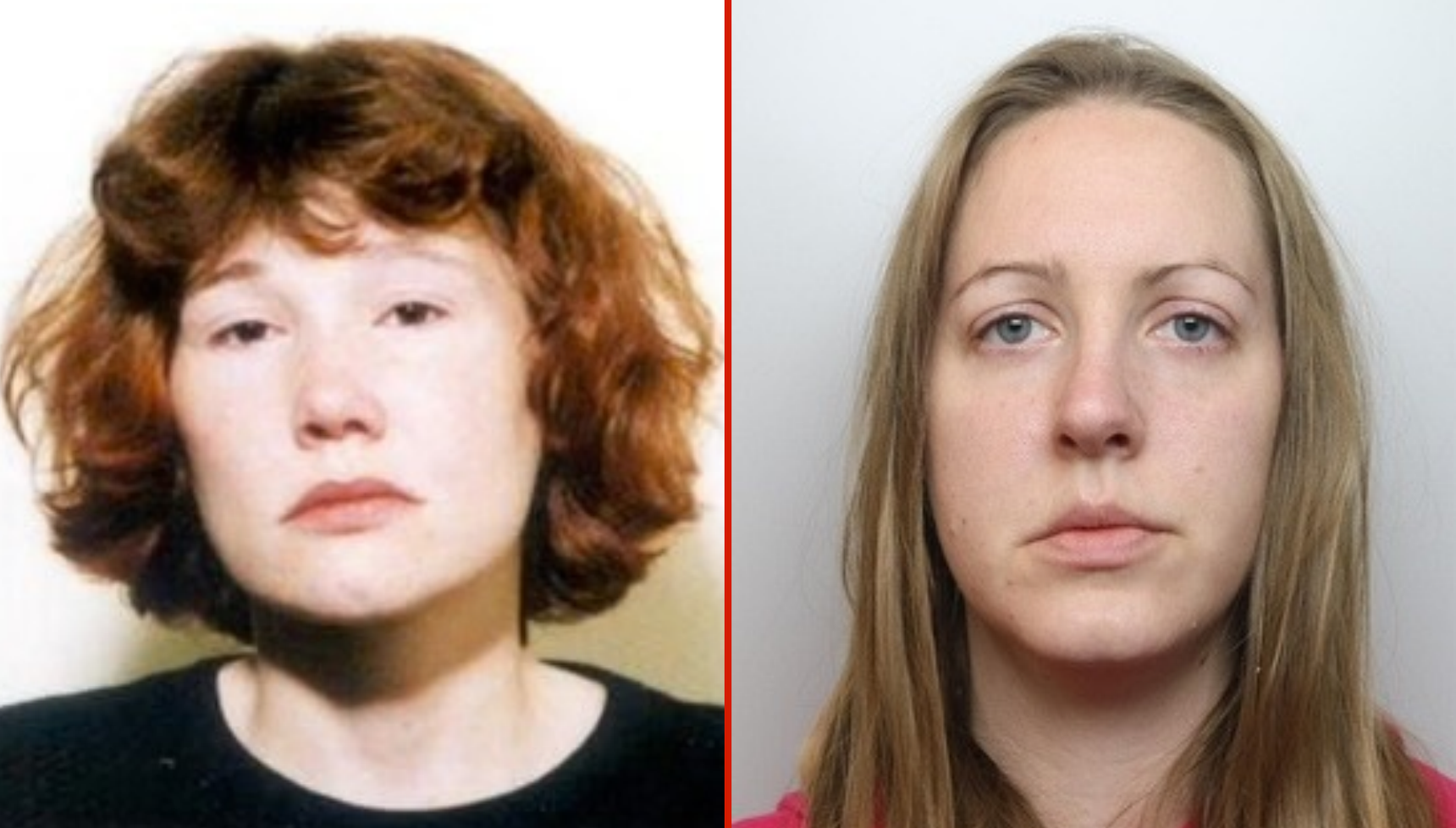
There’s another famous female criminal that writer David Baddiel also drew inspiration from. He admits that the series title draws on the name Mary Bell, who was just 11 years old when Newcastle Assizes sentenced her to life in detention for killing two young boys, aged four and three.
He explained: “Women can be invested with an idea of angelic goodness. And then, when they fail us, with an extraordinary sense of evil. Women commit far fewer violent crimes than men, and yet we have this roster of evil women we’re obsessed with.
“Alice Bell’s name also deliberately carries a trace of Mary Bell, a woman who killed children in the 1960s. These figures become famous partly because there are so few of them compared with the number of men who commit crimes.”
Where can I watch Being Maxine Carr?
In the 2008 documentary Being Maxine Carr, director Maxx Ginnane explores the fallout after Maxine received a new protected identity in 2004.
The documentary details how more than a dozen innocent women across Britain faced harassment and intimidation after people wrongly identified them as Maxine Carr.
A synopsis for the 30-minute documentary said: “Since Maxine Carr, the former girlfriend of Soham murderer Ian Huntley, left jail and started life with a new identity in 2004, more than a dozen women around Britain have been mistaken for her and hunted from their homes – despite having no resemblance to Carr and being able to prove their real identity.”
Sadly, the documentary Being Maxine Carr is not currently available for streaming in the UK. IT originally went out on Channel 4.
Read more: First look at ‘warm-hearted’ family period drama The Cadburys on U&Drama based on a true story