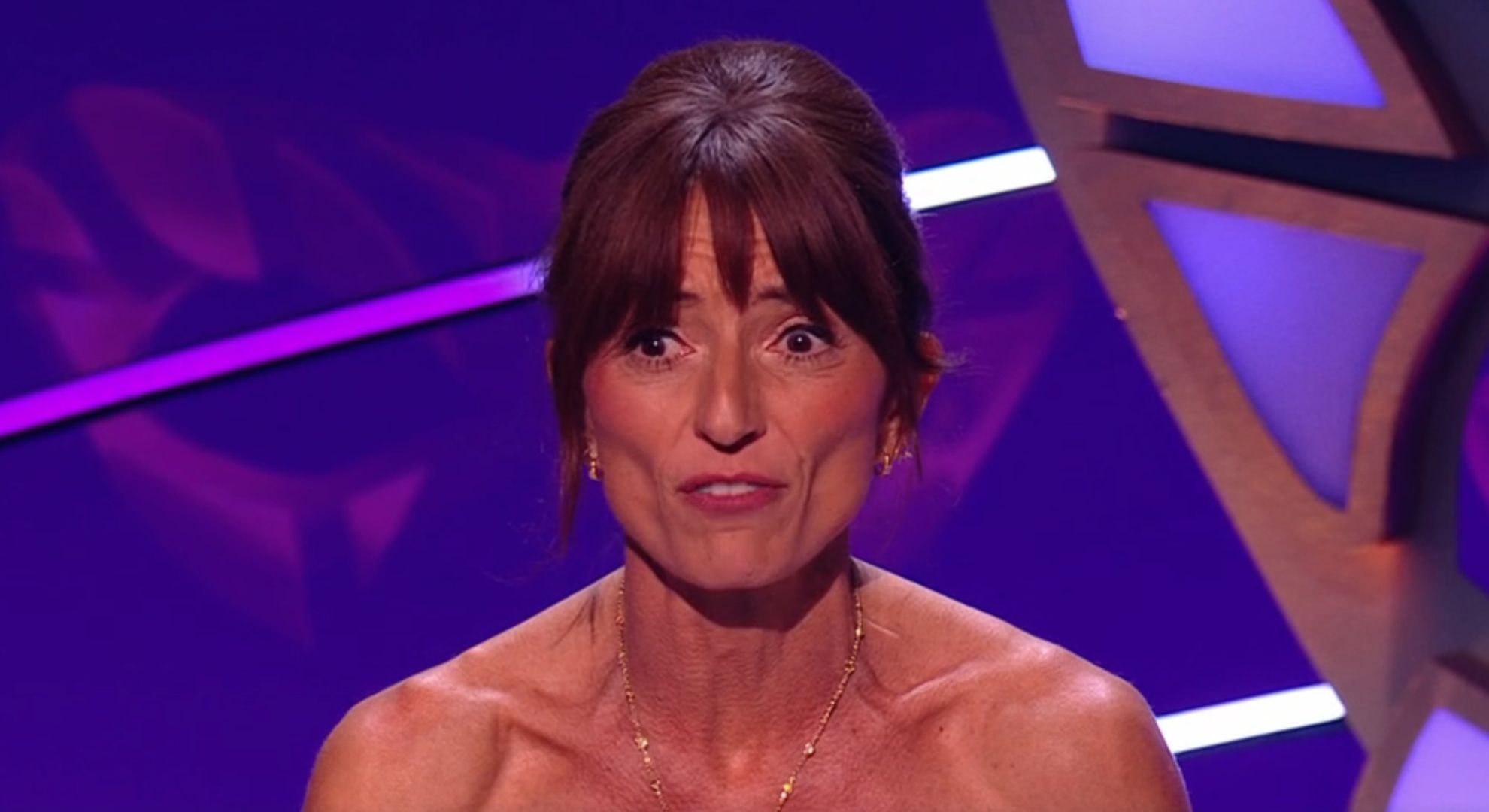
Strictly Come Dancing should take a year off to save show's future 'reputation', says ex-BBC boss
The series is likely to go through a major overhaul
Strictly Come Dancing should be taken off air after the current run, an ex-BBC executive has argued, saying the long-running show would benefit in the future from a pause following a turbulent year.
The ballroom favourite has been hit by controversy over recent months, with a number of issues denting its previously untouchable reputation.
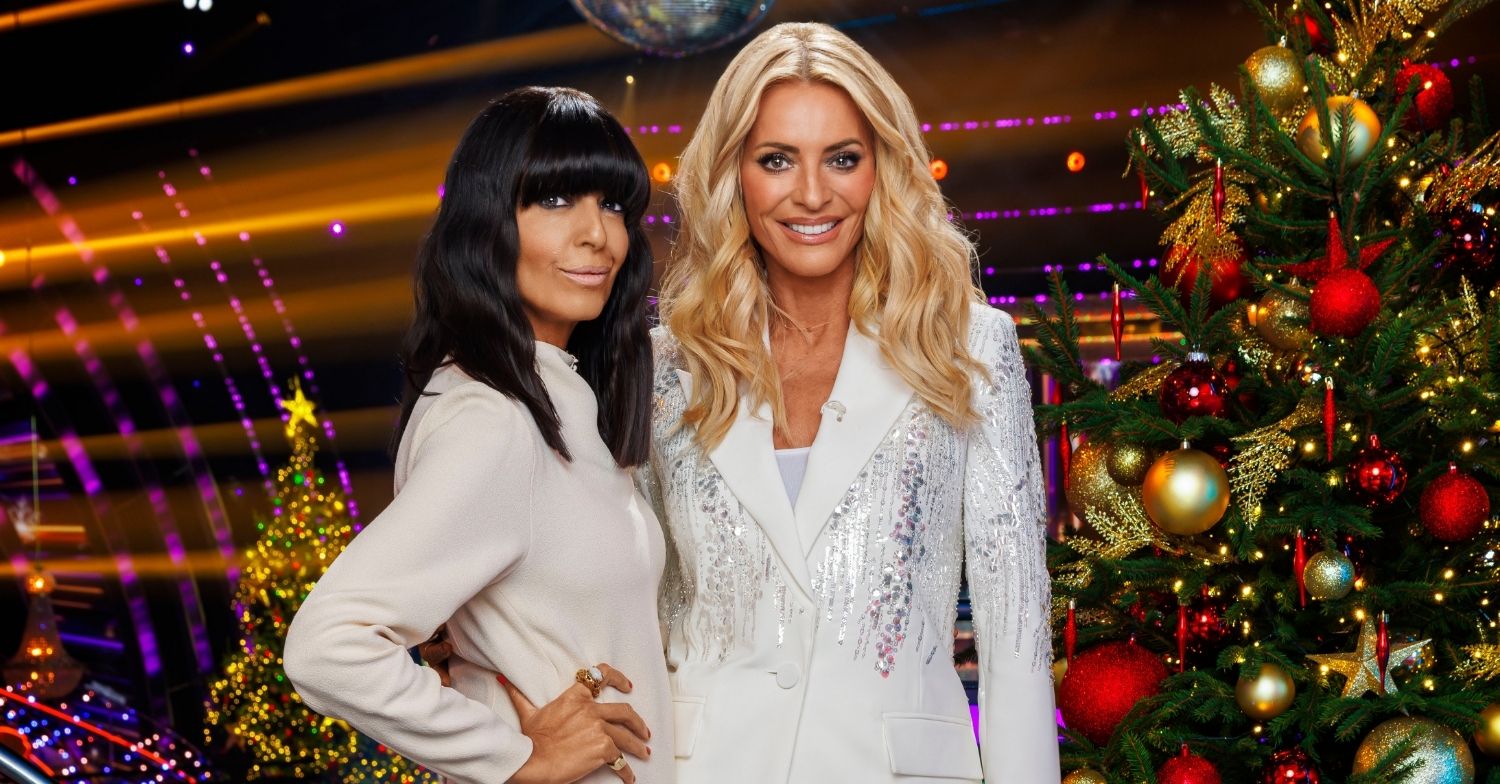
Hosts Tess Daly and Claudia Winkleman made the shock decision to step down midway through the series earlier this year. While former contestant Thomas Skinner has also publicly criticised the programme.
Ex-BBC boss calls for Strictly Come Dancing to be rested
Now, a former BBC boss believes the best future for Strictly Come Dancing is to take a break altogether. Writing on LinkedIn, Sam Hodges, who spent more than a decade as the BBC’s communications chief, spoke out. Sam said the show should consider a “fallow year” to help restore public goodwill.
Sam compared the situation to Glastonbury Festival, which traditionally takes a year off after every four events.
Reflecting on his history with the programme, Sam wrote: “It’s 20+ years since I launched Strictly Come Dancing as an Assistant Publicist at the BBC. A non-priority new show with the working title Pro-Celebrity Come Dancing. No one knew the hit it would become.”
Give fans a chance to miss the show
He went on to argue that stepping back could ultimately strengthen the show’s reputation. According to Sam, allowing viewers time to miss Strictly might be more effective than rushing into new contracts or attempting to reinvent the format too quickly.
“This series has clearly been tough on a whole host of fronts, but reputationally its biggest boost might well come from helping people realise what they’d miss, rather than chasing salvation by rushing into immediate contract talks with new producers, presenters and cast,” he said.
He also warned that many TV shows fail to bow out gracefully. “Things rarely finish on a high in TV – more often an exhausted final series or a controversy that brings things to a sudden or crashing end,” Sam added.
Drawing further parallels with Glastonbury, he said the festival’s fallow years increase demand and allow fresh energy to return. In his view, 2026 could be the right moment for the BBC and Strictly to follow a similar path. He says it’s in order to protect the show’s long-term future.
Strictly Come Dancing’s controversies
Despite remaining one of the BBC’s biggest entertainment programmes, Strictly’s viewing figures have shown signs of decline.
Last year’s final was watched by 8.6 million viewers. While the most recent series saw that figure fall to 7.6 million as Karen Carney and Carlos Gu lifted the Glitterball Trophy.
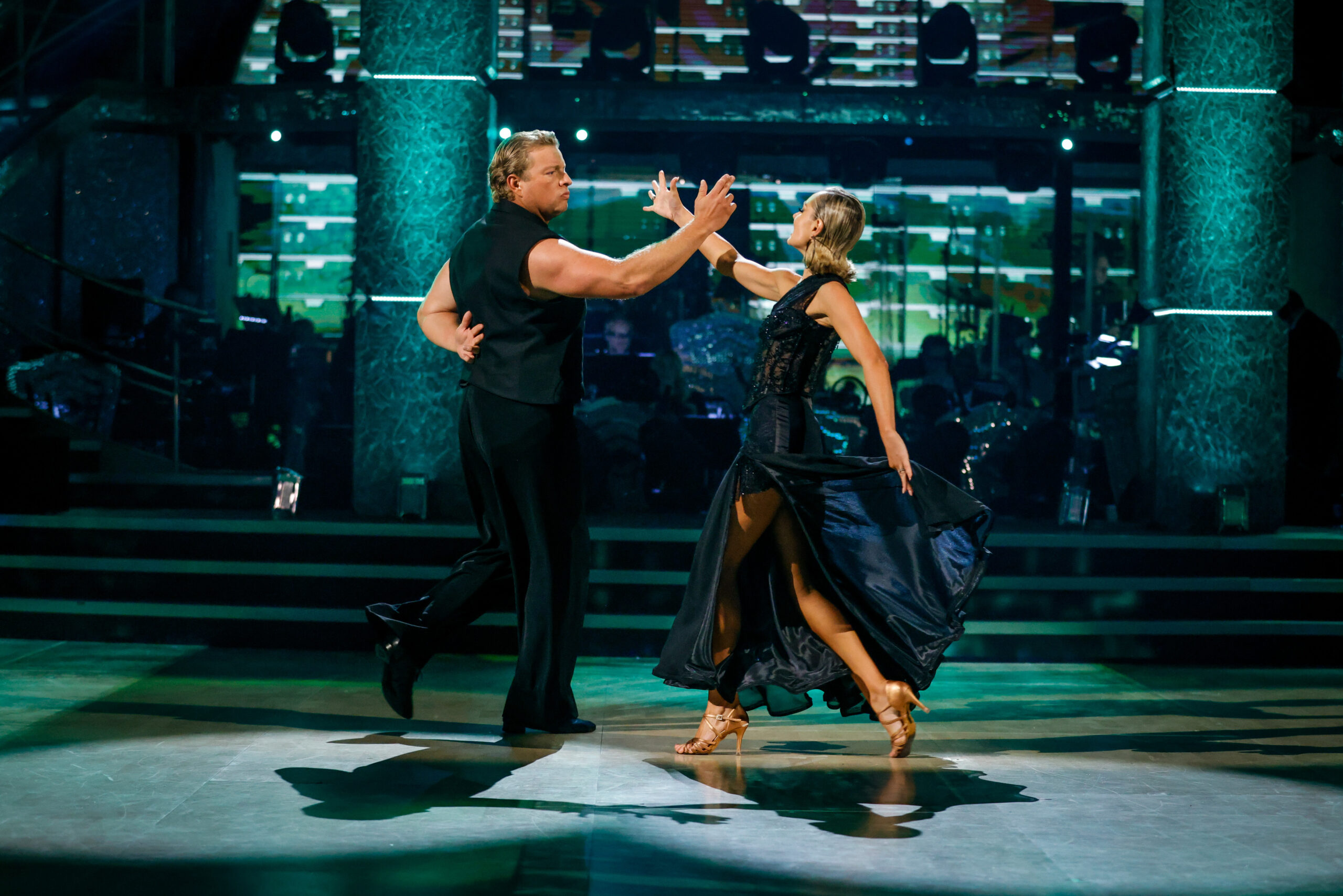
The departures of Tess Daly and Claudia Winkleman, who fronted the show together for 11 years, have only added to the uncertainty. Since their announcement in October, speculation has been rife over who could replace them. Names such as Bradley Walsh and Holly Willoughby reportedly being discussed.
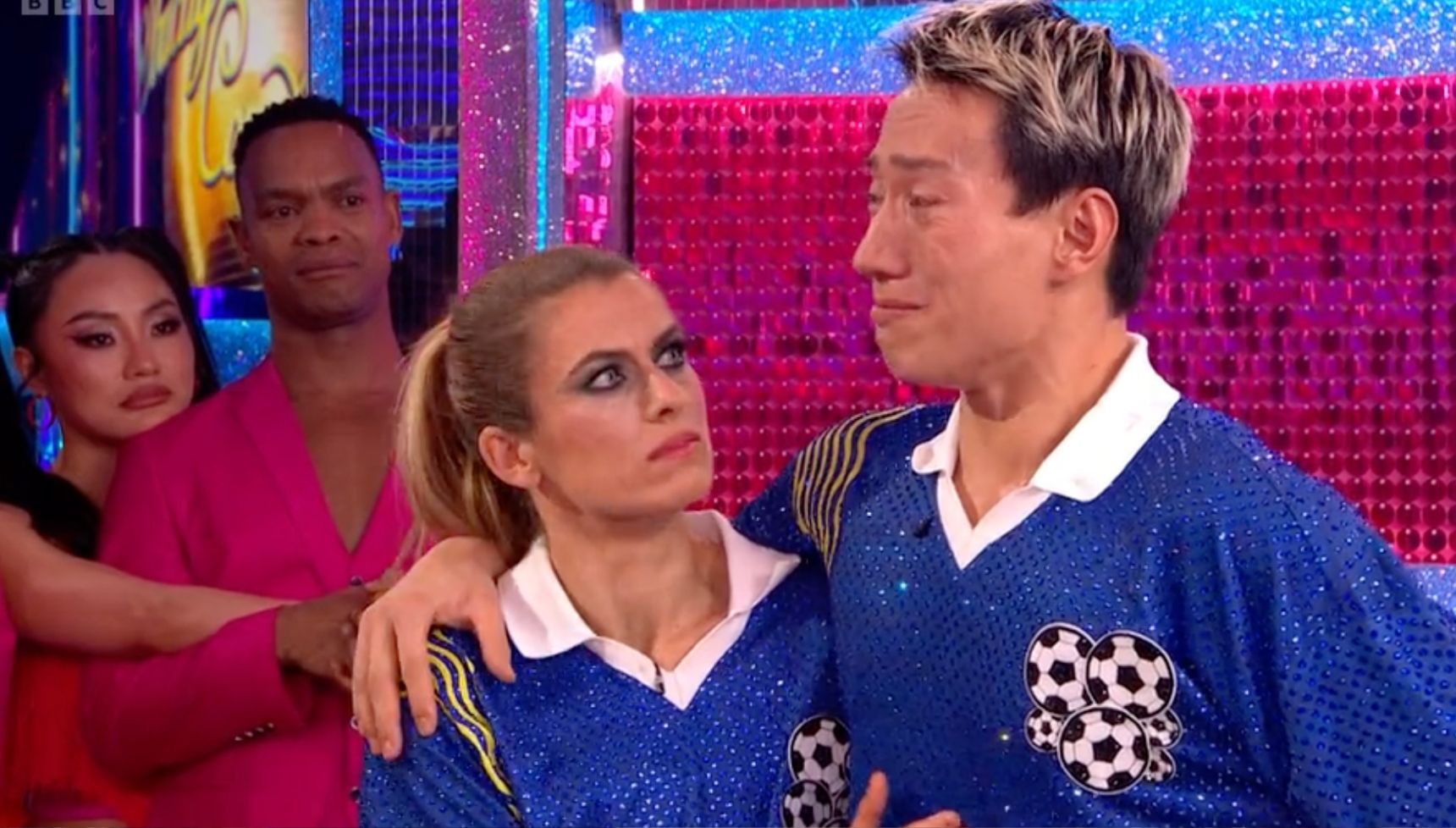
Away from hosting changes, the show has also faced legal threats. Thomas Skinner, 34, is said to have sought legal advice. It’s claimed he received an email suggesting votes were manipulated to see him eliminated from the competition.
In response, a BBC spokesperson strongly denied the allegations. They stated: “Strictly Come Dancing’s public vote is independently overseen and verified to ensure complete accuracy every week. Any claims to the contrary are entirely without foundation. Unfortunately, despite requests for it, Mr Skinner is yet to share the email he references with anyone from the BBC, so we are unable to comment on it.”
Whether the BBC will seriously consider resting one of its biggest brands remains to be seen. But the call from a former insider has added further weight to the debate about Strictly Come Dancing’s future.