
Believe Me on ITV: The real people behind the true story in pictures, and the actors who play them in the John Worboys dramatisation
The new four-part series puts the focus firmly on his victims
Believe Me dramatises the crimes of rapist John Worboys in the most heartbreaking way, focusing on the women whose accounts people doubted, but who are the real victims at the centre of the series.
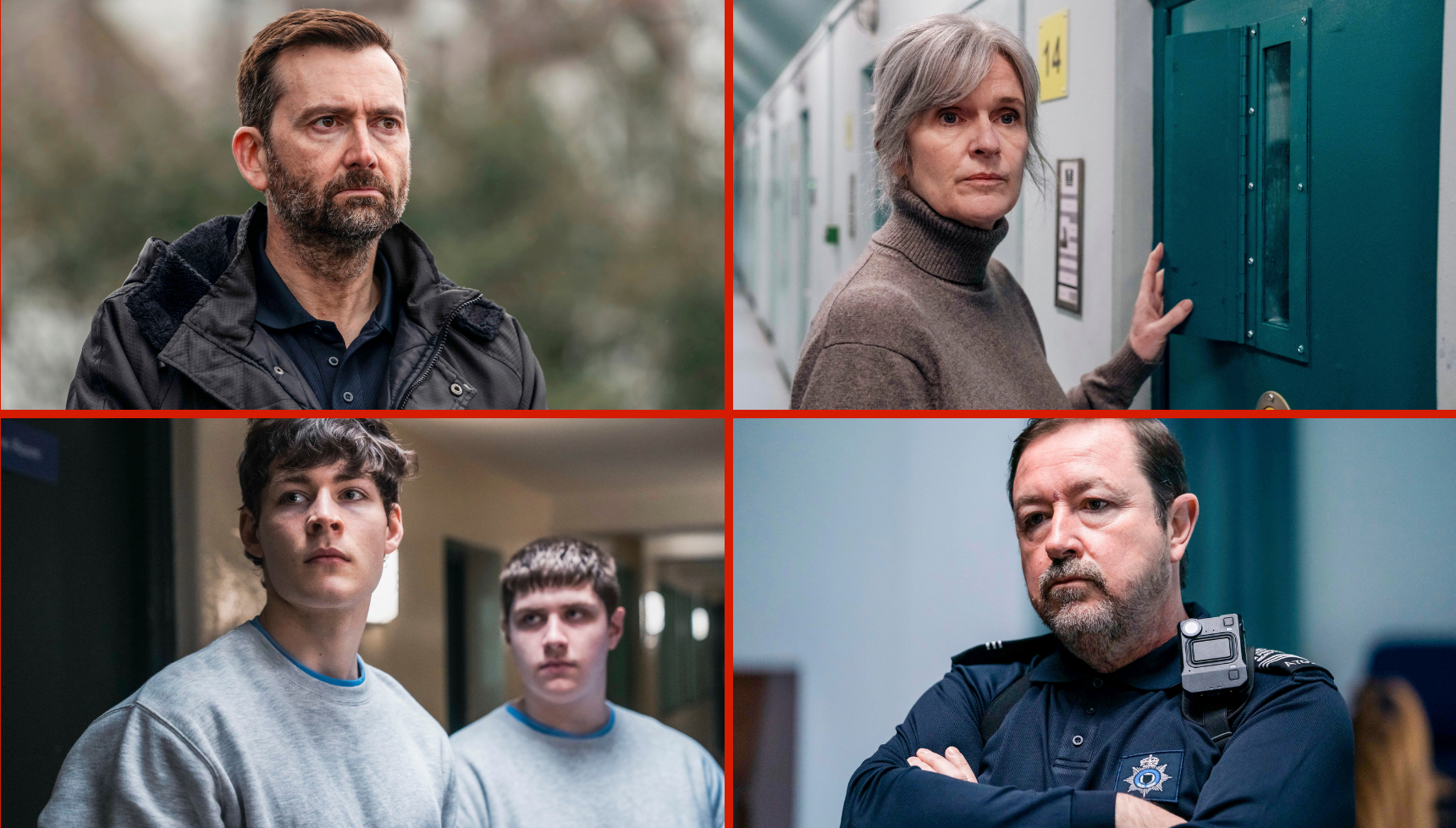
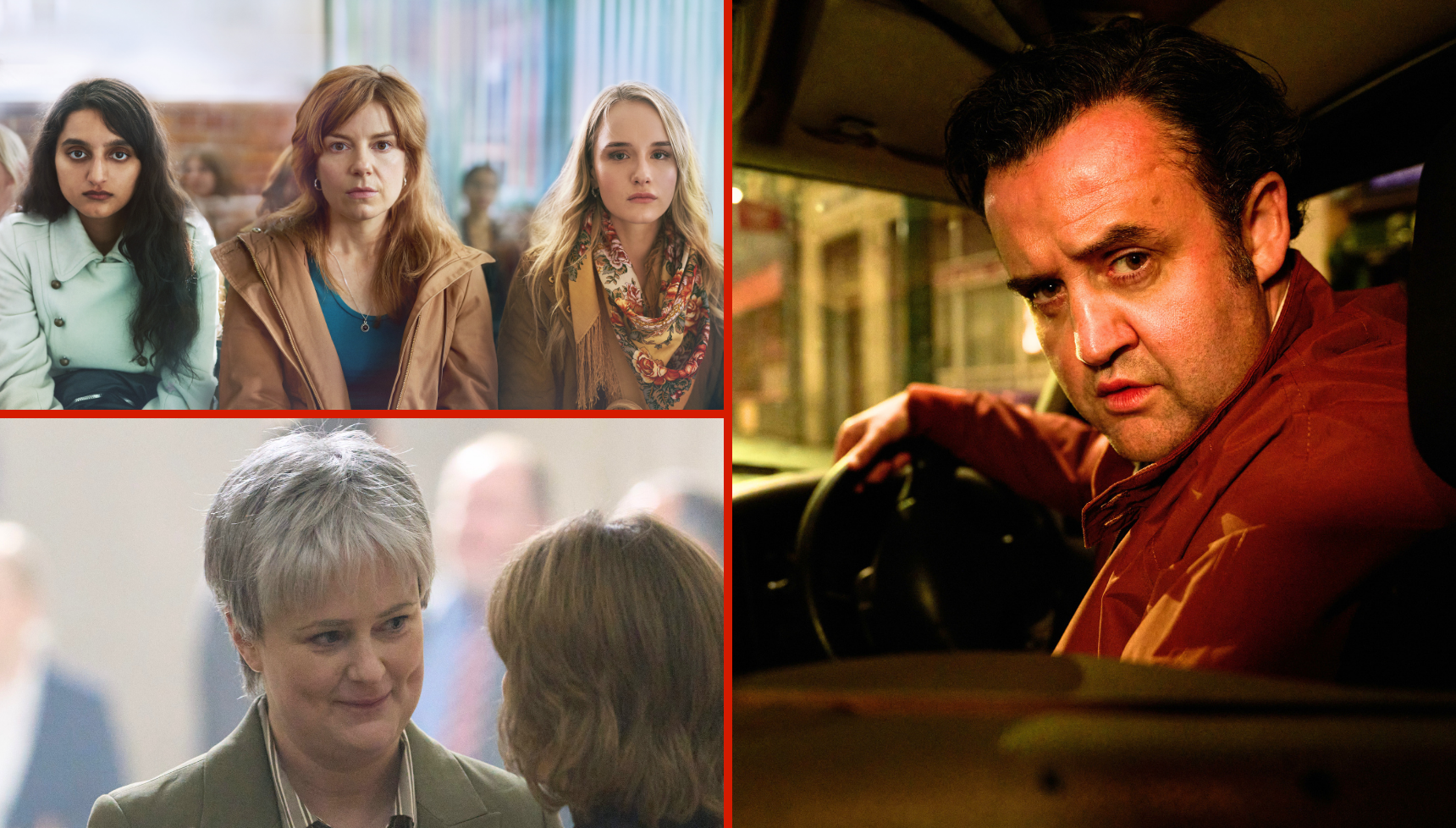
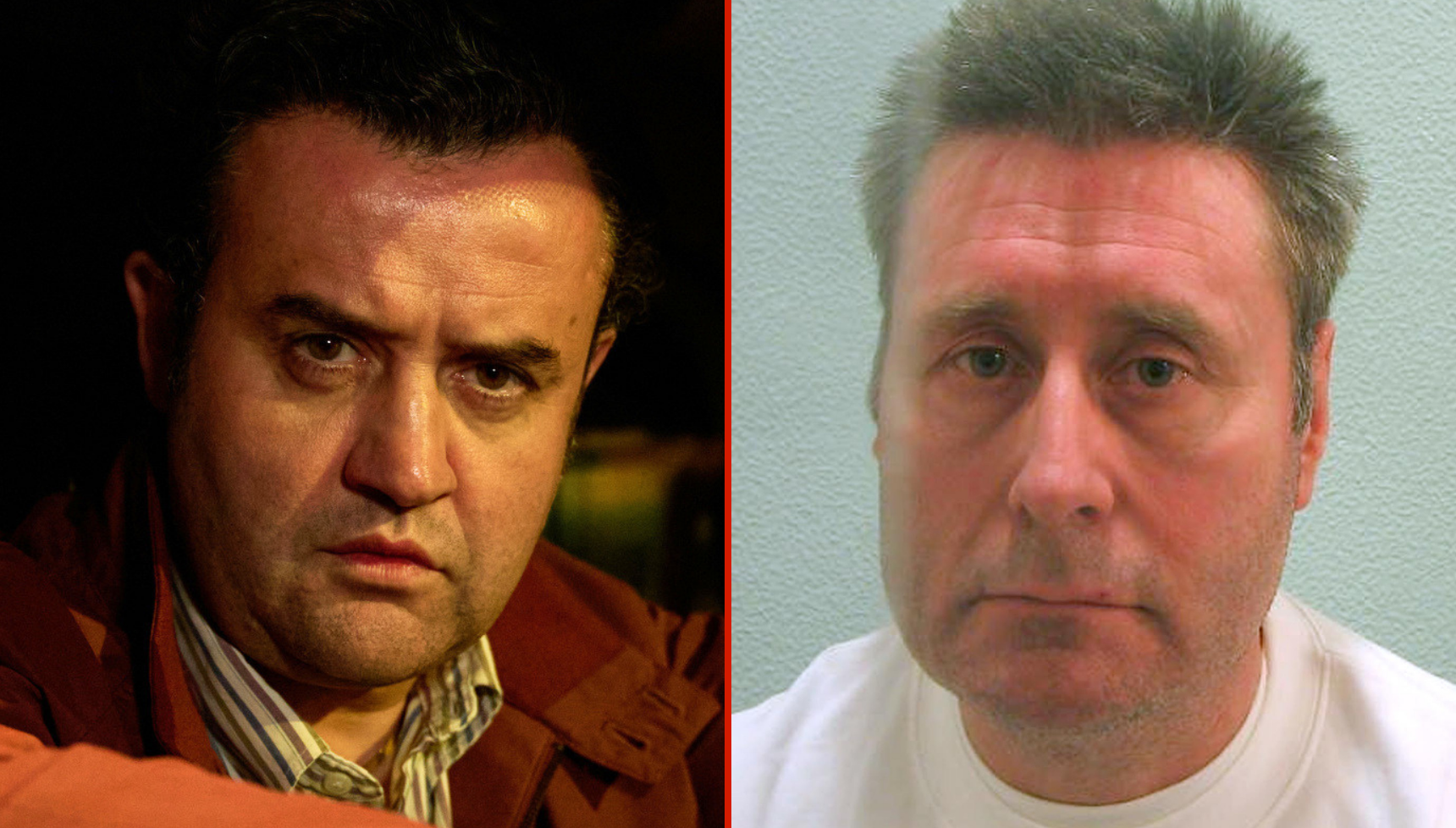
The fact-based crime drama highlights how the victims of serial sex offender John Worboys fought for justice. Slow Horses actress Aimée-Ffion Edwards plays one such woman, Sarah Adams, while Line of Duty’s Daniel Mays chillingly brings John Worboys to life.
The story also features key figures including Worboys’ university victim Laila Mahmood, barrister Phillippa Kaufmann KC, and solicitor Harriet Wistrich. But are they all real, or did the writers create some characters for the drama?
Here are the key figures in Believe Me and whether they are based on real people.
Believe Me: Are Sarah James and Leila Mahmood real victims of John Worboys?
Believe Me on ITV dramatises a horrific series of real-life rapes that took place between 2000 and 2008. Daniel Mays portrays John Worboys, a man convicted of raping multiple women, who now remains in prison.
The four-part series begins on Sunday (May 10, 2026). Award-winning screenwriter Jeff Pope tells the story of how the system failed Worboys’ victims. He remains one of the most prolific sex offenders in British history, and authorities could have stopped him years earlier.
Viewers meet rape victim Sarah Adams early in the series. The Black Cab Rapist drugs her drink, and she wakes the next morning certain he assaulted her. After months of police doubting her, they drop her case, allowing him to attack again.
The show does not use the real name of Worboys’ victim for Sarah Adams. The writers use pseudonyms for both Sarah and Laila Mahmood, the second victim featured. They also change elements of their stories to protect their identities.
In fact, at the beginning of each episode, viewers will see the message: “This is based on a true story. Some names have been changed, and some characters and scenes have been created for the purposes of dramatisation.”
Who are DSD and NBV?
Real people inspired both Sarah and Laila, even though the show changes their names. In court, officials referred to them as ‘DSD’ and ‘NBV’.
The acronyms are legal pseudonyms used to protect the identity of the victims. The letters do not stand for a specific phrase, job title, or initial, but rather act as a label in court proceedings.
‘What happened to me changed my life’
Sarah, whose identity remains protected, said: “Believe Me tells the story of the courage shown by every woman who came forward to help put John Worboys behind bars. What happened to me changed my life, but the hardest part was that people did not believe me for so many years. Without those who stood by me, Worboys might have been freed and continued to pose a serious risk to women.
“Seeking justice should not cause more trauma. Women should not have to fight to be believed or feel as though they are on trial. The shame never belongs to the survivor.”
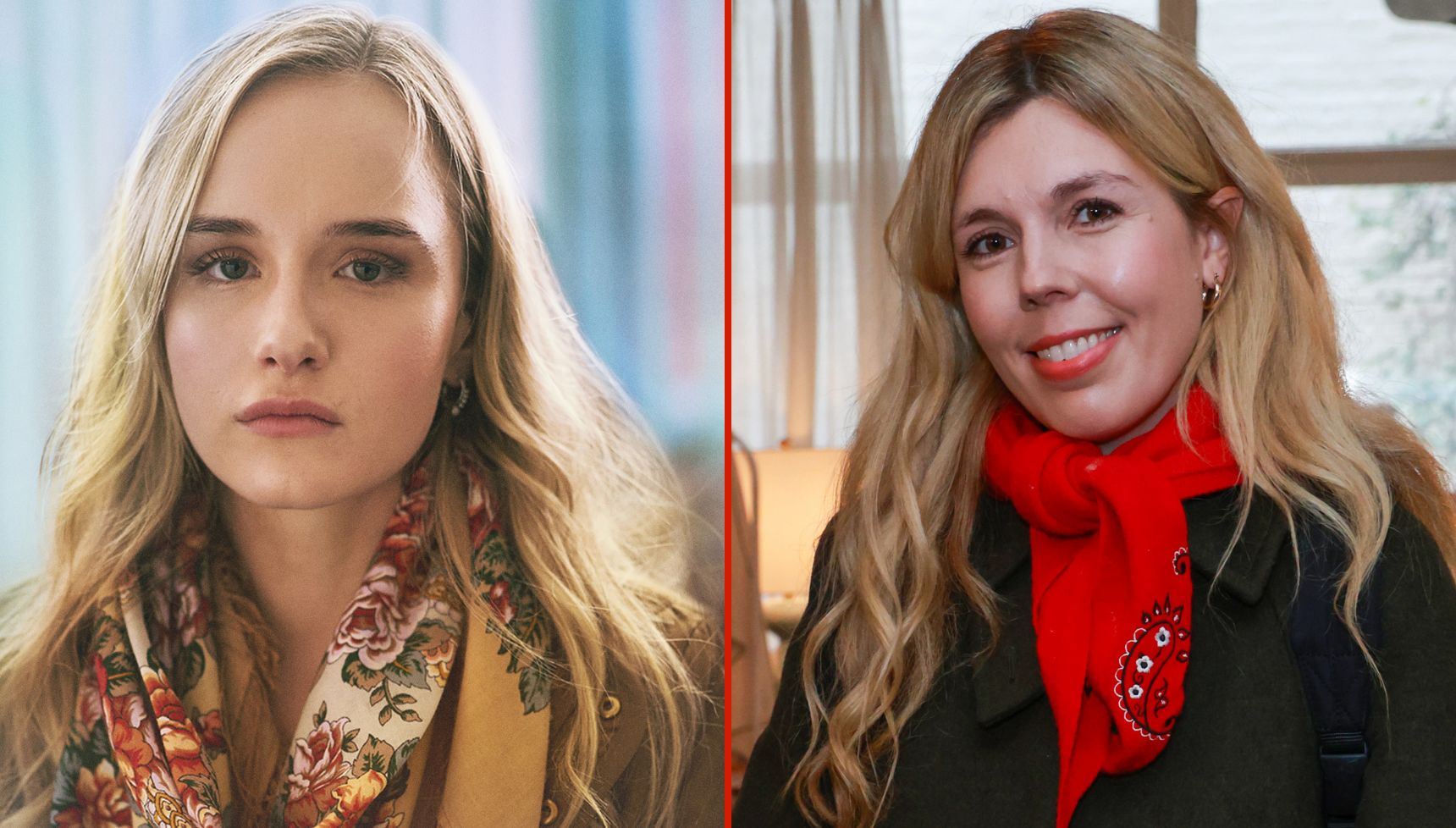
Was Carrie Symonds – now Boris Johnson’s wife – a victim of John Worboys?
Actress Miriam Petche portrays Carrie Symonds, now known as Boris Johnson’s wife. John Worboys targeted her in her youth but she had a narrow escape. She subsequently became a senior figure in the Conservative Party press team. Carrie put her career on the line to spearhead a huge media and political campaign pushing for an unprecedented judicial review of the Parole Board’s decision. The campaign, with Sarah, Laila and Carrie at the forefront, was successful. Therefore, the decision to release Worboys on parole was subsequently quashed. The bravery and resilience of these women resulted in significant changes to the law.
Carrie Johnson (nee Symonds) said: “I hope Believe Me serves as a wake-up call to the police, the CPS and the parole board. Far too often, institutions fail the women and girls they are meant to protect. The treatment of the victims in this case was truly shameful. Reform matters but what we urgently need above all is a profound shift in culture.
“It takes enormous courage for women to come forward. They must know that when they do, they will be treated seriously and with respect, and that every effort will be made to ensure justice is done.”
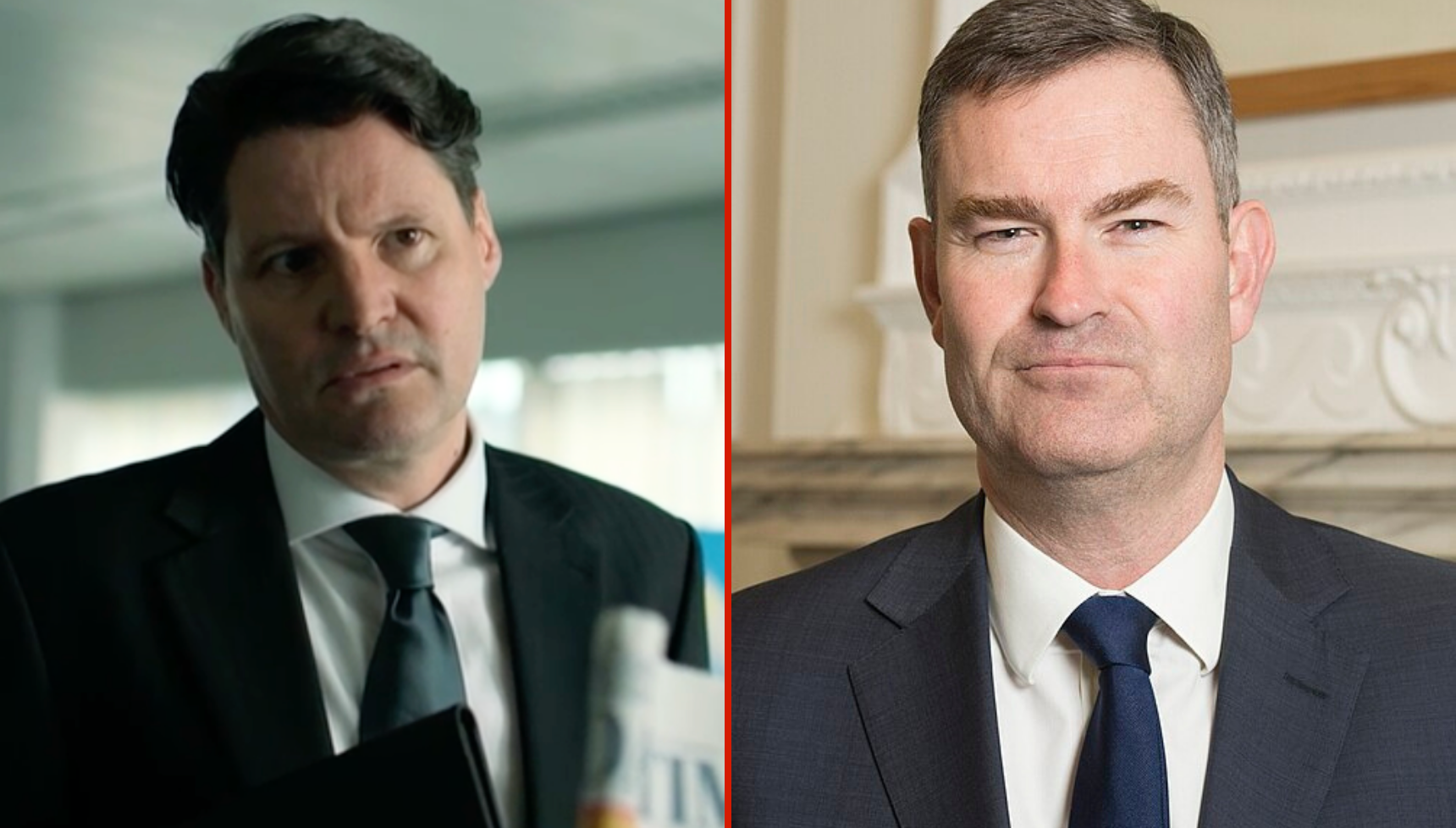
What was David Gauke’s involvement in the John Worboys case?
David Gauke, the Justice Secretary Carrie Symonds speaks to in episode 4 of Believe Me, recently received a Knighthood. However, there were complaints about the decision. The former MP initially decided not to launch a government judicial review into the Parole Board’s decision to release serial attacker John Worboys. He argued that the bar for such a review was “very high” and that it would not be “appropriate”.
Following his decision, Worboys’ victims launched their own successful challenge, which overturned the release decision. Gauke later accepted “full responsibility” for the near-release of Worboys, stating he didn’t want him released but had acted on legal advice at the time.
Following the successful victim challenge, Mr. Gauke pledged to make it easier to reconsider Parole Board decisions in the future.
The courage of Sarah, Laila, and Carrie led to a change in the law, making it easier for victims to challenge Parole Board decisions.
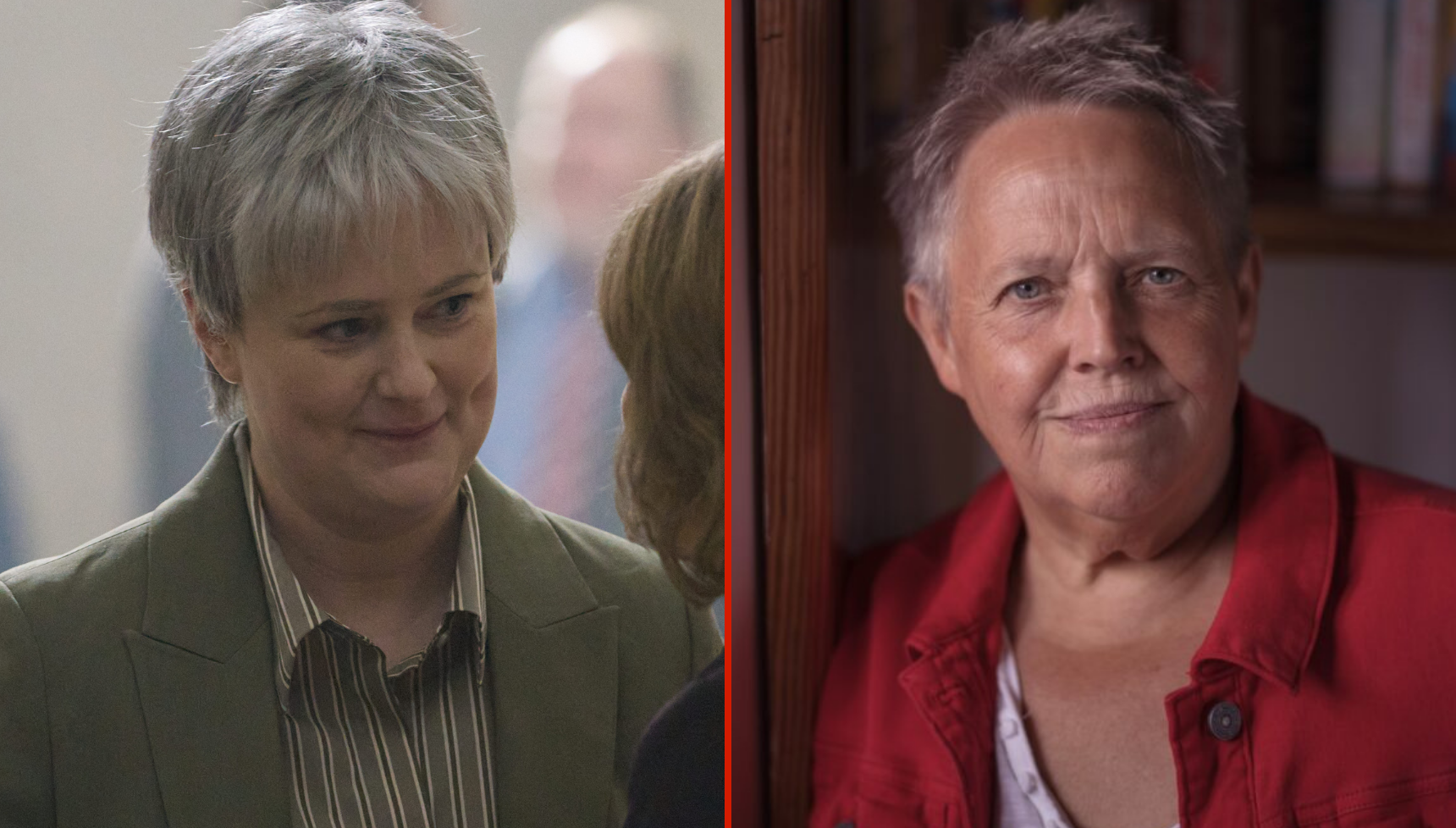
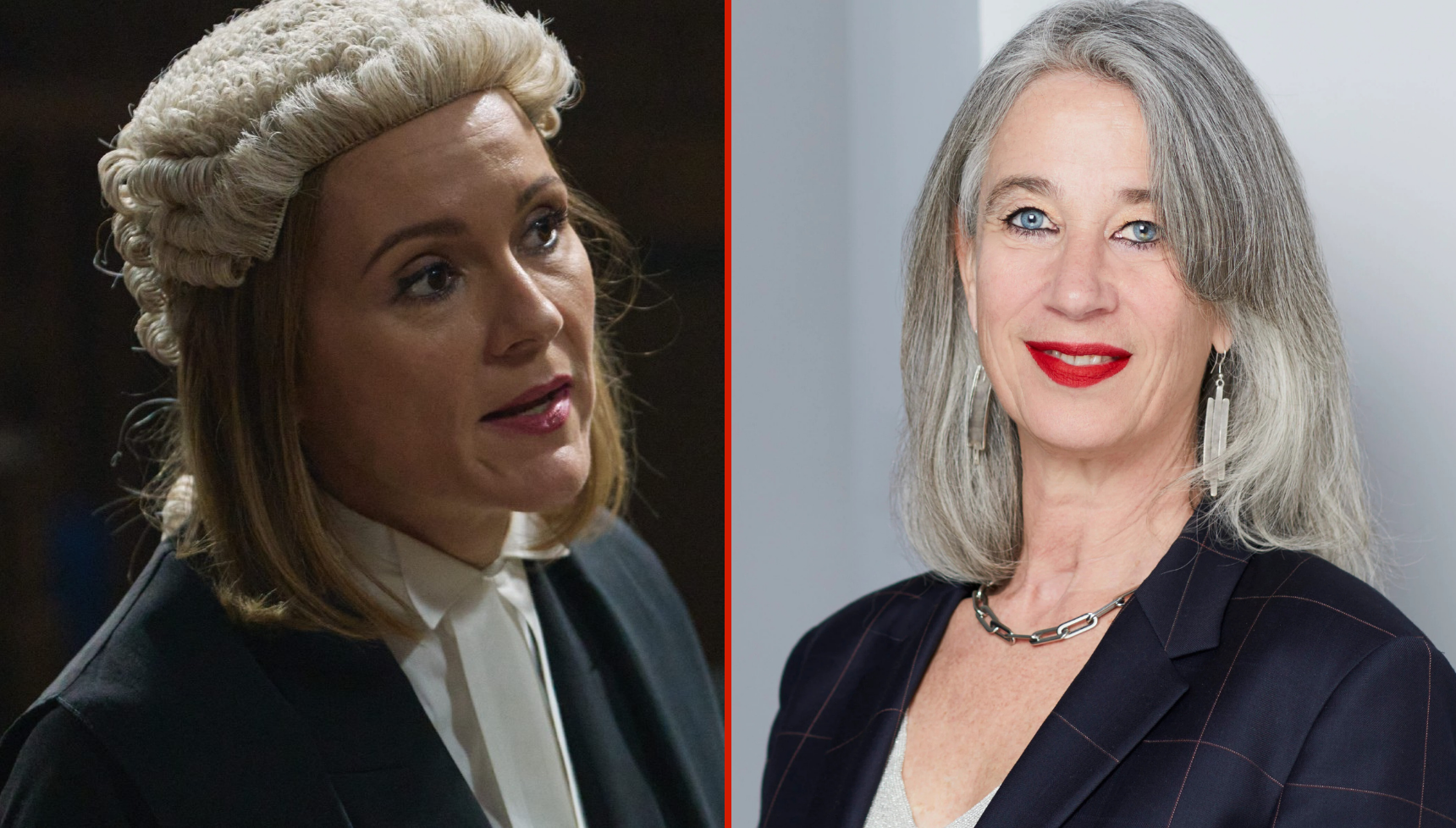
Are Harriet Wistrich and barrister Phillippa Kaufmann QC real people?
In Believe Me, Sarah, Laila, and Carrie join forces with solicitor Harriet Wistrich, played by Philippa Dunne, and barrister Phillippa Kaufmann QC, played by Rachael Stirling. Together they sue the Metropolitan Police under the Human Rights Act for their “failure to properly conduct investigations into their allegations of sexual assault”. This led to the victims being “subjected to degrading treatment and contributing to their distress”. They won. And when the Met appealed that judgment all the way to the Supreme Court, they won again.
Solicitor Harriet Wistrich, and barrister Phillippa Kaufmann QC are real people. Harriet, now 66, specialises in human-rights cases. She focuses on cases involving women who have been sexually assaulted or who have killed their violent partners. Harriet works for Birnberg Pierce & Partners in London. She is also the CEO of Centre for Women’s Justice.
Barrister Phillippa Kaufmann QC, 59, remains one of the leading lawyers of her generation. Keir Starmer’s ex-girlfriend, she continues to work at Matrix Chambers.
Talking about the real victims ‘Sarah’ and ‘Laila’ in Believe Me, she said: “Their resilience is remarkable. I remain in awe of both of them.”
Believe Me: Which of John Worboys real victims have waived anonymity?
Most of John Worboys’ victims have not waived their anonymity. This is standard procedure for rape victims who have a right to legal anonymity.
Police believe John Worboys attacked more than 100 women. However, only a few chose to waive their anonymity. Becki Houlston is one of the few survivors to publicly waive her anonymity. She appeared in Susanna Reid’s 2018 ITV documentary John Worboys: The Taxi Cab Rapist.
The documentary focused on the victims’ experiences, the police failures in the investigation, and the controversy surrounding his potential release. Becki is convinced she was among the first to fall prey to the sexual predator. She says he persuaded her to drink Champagne spiked with a sedative in the back of his cab. Becki was in her mid-20s when she left a Bournemouth bar in 2002 after a night out with friends.
Becki does not believe Worboys sexually assaulted her, but she still suffers from flashbacks and anxiety knowing she came face to face with the evil rapist. She told Susanna: “I want to see him die in prison. This man should never be allowed out. He has shown no remorse and is the worst predator imaginable. I can’t see how anyone would see he is fit for release.”
Other victims have spoken against John Worboys using a pseudonym. Victim ‘DSD’ launched a successful legal challenge against the Metropolitan Police and fought against Worboys’ release. Victim ‘NBV’ received compensation from the police following her attack in 2007.
Did the Met police sack any officers?
The names used in Believe Me are not the real names of the police officers.
The Metropolitan Police appealed all the way to the Supreme Court against the judgement in the civil case brought by ‘DSD’ and ‘NBV’. The appeals failed.
The ruling established that victims can sue the police under the Human Rights Acr for serious failures to properly investigate rape and violent crime.
In 2010, the Independent Police Complaints Commission recommended that no officer should face disciplinary hearings “where ultimate sanction would be dismissal”.
Eight police officers were only known as “officer one” and “officer two” (and so on). One officer had retired and therefore was not subject to the inquiry. In almost every case, the IPCC could not “prove” the complaints.
Officer four, a DS who arrested Worboys in July 2007, was accused of failing to carry out a proper investigation and failing to keep the victim up to date. The complaint was substantiated, and the officer “given words of advice”. Other substantiated complaints included Officer 5’s “failure to carry out a proper investigation”. He was given a written warning.
None of the officers were sacked. The Metropolitan Police say they have introduced new initiatives and guidelines for their handling of sexual offences against women.
To this day, only 3% of all reported rapes result in charges being brought.