

Exactly why the Idaho Murders roommates waited 8 hours to call 911
Netflix’s docuseries The Idaho Murders: College Nightmare has many questioning the delayNetflix three-part documentary, The Idaho Murders: College Nightmare, re-examines one of the most haunting questions surrounding the November 2022 killings: why surviving roommates Dylan Mortensen and Bethany Funke waited nearly eight hours before contacting 911.
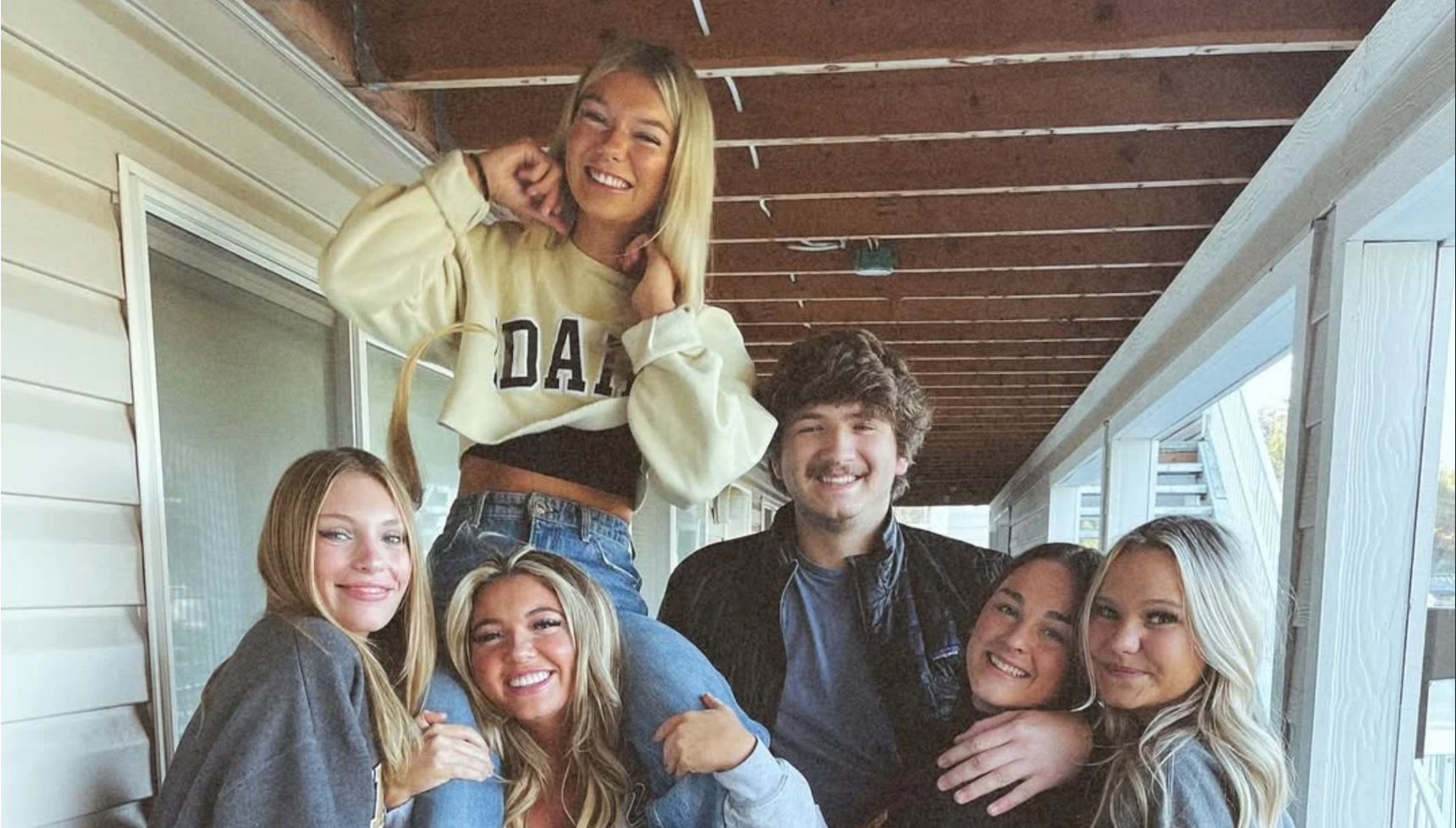
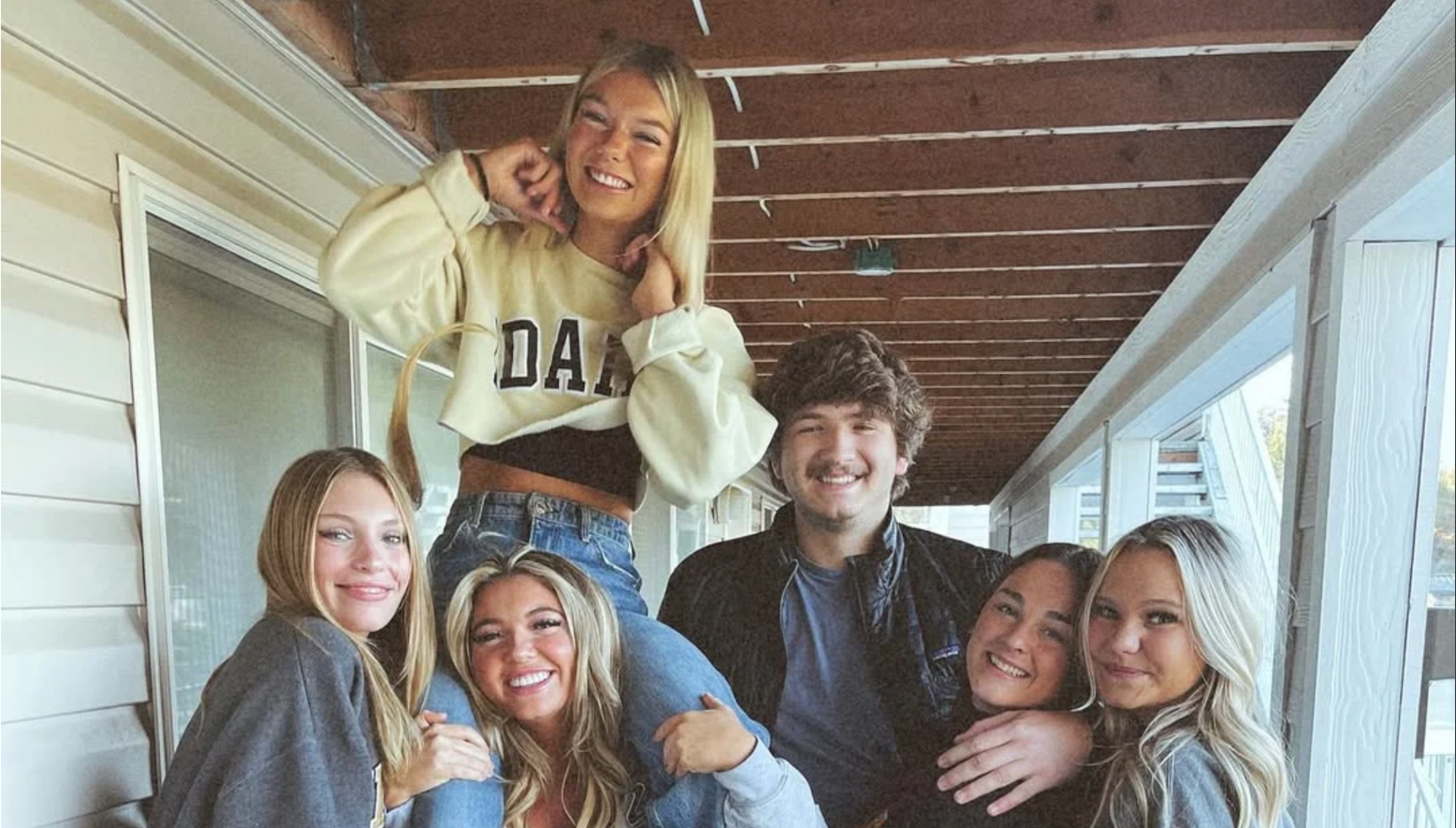
In the early morning hours of November 13, 2022, University of Idaho students Kaylee Goncalves, Madison Mogen, Xana Kernodle, and Ethan Chapin were stabbed to death inside their off-campus home in Moscow, Idaho.
However, emergency dispatchers did not receive a call until almost noon the following day.
Court filings, police timelines, and documentary accounts clarify what happened inside the King Road residence during those missing hours.
Inside the King Road home: 4am to 12pm timeline
According to court filings, killer Bryan Kohberger entered the home around 4am.
Dylan and Bethany were awake in their respective bedrooms. Around 4.17 am, Dylan woke up to unusual noises, including crying, a barking dog, and a male voice saying, “It’s OK, I’m here to help you.”
When Dylan cracked her bedroom door, she saw a tall figure in dark clothing wearing a black mask covering his nose and mouth walk past her toward the rear glass sliding door.
Overwhelmed by panic, Dylan attempted to call her roommates. Receiving no answer, she texted Bethany that she was “freaking out” before running downstairs to lock herself inside Bethany’s room.
Although both were secured inside by 4.20 am, the 911 dispatch was not placed until 11.58 am.
Psychological factors behind the 8-hour delay
Public scrutiny focused heavily on the delay following the attacks. However, law enforcement and trauma specialists emphasise that the roommates’ reactions reflected classic psychological shock, confusion, and cognitive overload.
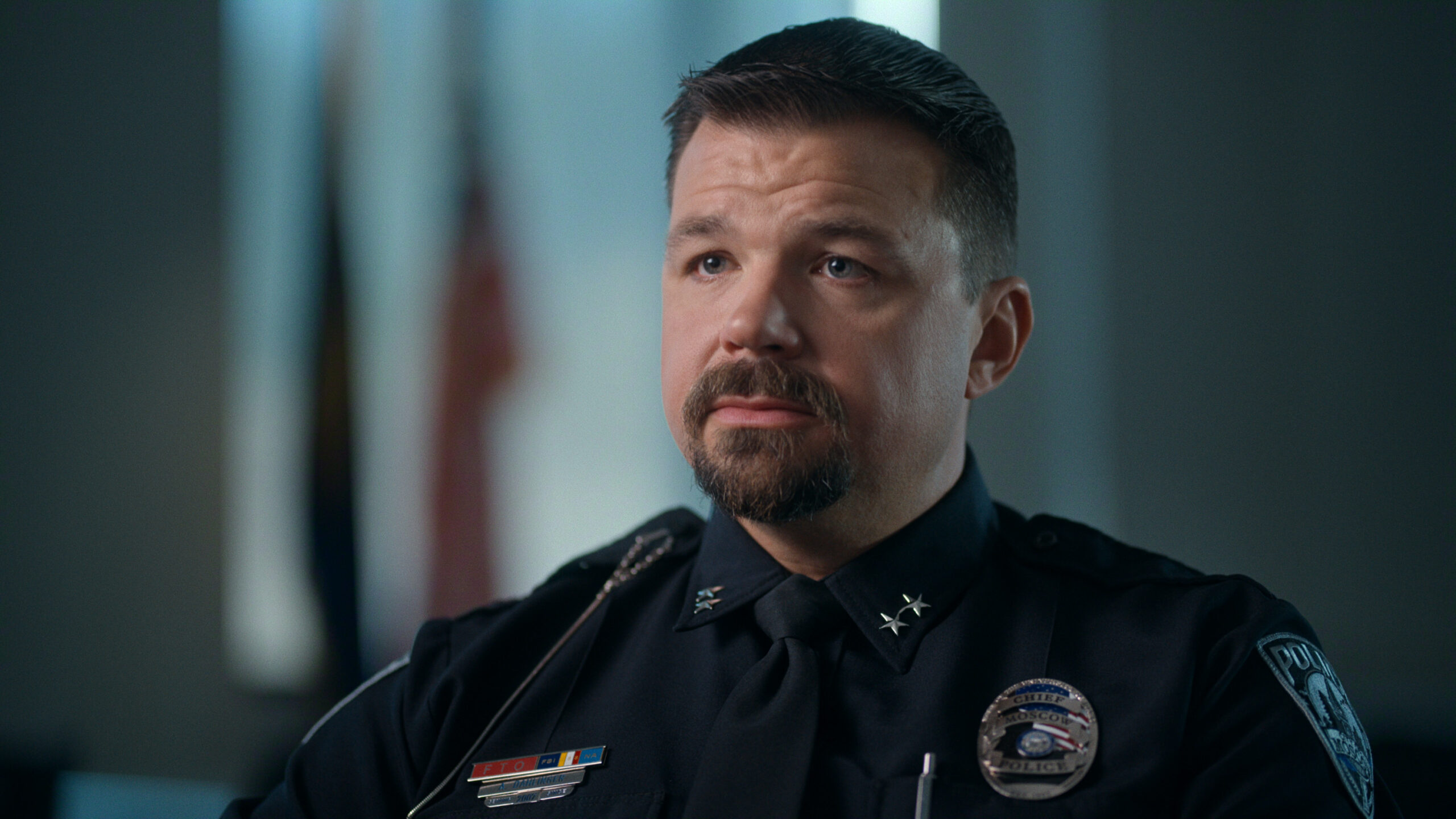
In The Idaho Murders: College Nightmare, Moscow Police Chief Anthony Dahlinger addressed the public confusion directly: “We asked the question: why did the roommates wait eight hours to call the police? There are so many reasons why you may not. People go into shock – it’s traumatic.” Mortensen confirmed in court records that after seeing the masked figure, she froze in absolute terror.
Furthermore, Dylan acknowledged she had been drinking earlier that night and struggled to distinguish whether she was facing an active threat or an alcohol-induced hallucination. She testified that she attempted to convince herself nothing was wrong, rationalising that any noise came from housemates resting after a night out.
In addition, Bethany noted that – given the home’s status as a frequent social hub – her initial impression was that a fraternity member was pulling a late-night prank. Because neither roommate heard explicit screams indicating lethal violence, their minds filled the gaps with mundane explanations.
Read more: What happened to Idaho Murders victim Kaylee’s dog Murphy
How emergency responders were finally contacted
Late the next morning, Dylan and Bethany texted friends Emily Alandt and Hunter Johnson to come over, reporting that someone inside appeared unconscious.
Hunter arrived shortly before noon, discovered the crime scene, and placed the 911 call from one of the roommates’ phones.
Addressing persistent speculation over whether an earlier call could have saved lives, friend Emily Alandt noted: “I think it’s very important for everybody to know that ‘what if’ doesn’t matter, because if they had known what was going on, it would have been too late anyways.”
Autopsy reports later confirmed all four victims succumbed to severe knife wounds shortly after the attack began, meaning earlier intervention could not have changed the outcome.
Current Idaho Murders case status
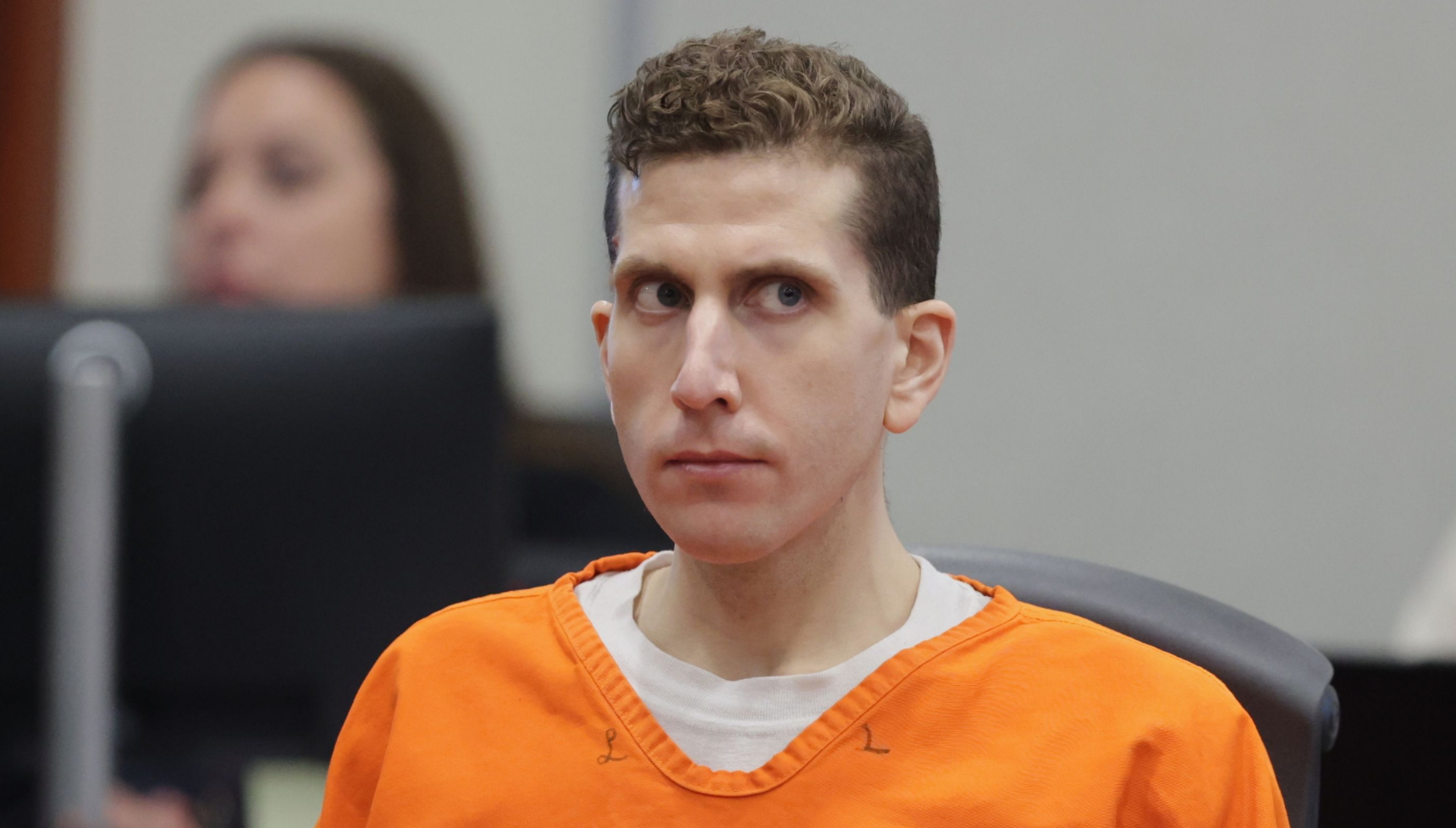
Investigators arrested Bryan Kohberger in December 2022 after matching his DNA to a Ka-Bar knife sheath recovered at the scene, combined with cellular location records and surveillance footage of his white Hyundai Elantra.
In July 2025, Kohberger pleaded guilty to four counts of first-degree murder and one count of felony burglary to avoid the death penalty, receiving four consecutive life sentences without parole.
However, in late July 2026, Kohberger submitted a handwritten court petition seeking to withdraw his guilty plea, claiming his defence attorneys misled him into taking the deal – a filing the victims’ families have publicly criticised as an effort to regain public attention.