
Is Half Man based on a true story? The truth behind Richard Gadd's dark new drama and the story he 'couldn't shake'
'All they need to do is a bit of Googling'
Half Man is the new drama from Baby Reindeer’s Richard Gadd, perhaps the decade’s most infamous series based on a true story. However, this time is a bit different.
The Netflix series followed Donny Dunn, a comedian and barman with two big problems. He wasn’t that funny, and he was being endlessly pursued by a lonely woman from his pub.
It was based on Gadd’s real-life stalking ordeal, and that lent the show tremendous power. It also led to a £128 million (pending) case against Netflix, with Scottish lawyer Fiona Harvey (the alleged real-life Martha) suing for defamation.
Not to discredit Baby Reindeer, but its messy aftermath is partly responsible for Gadd’s fame. So, with Half Man premiering on the BBC, you’re probably curious if it’s based on a true story.
Is Half Man based on a true story?
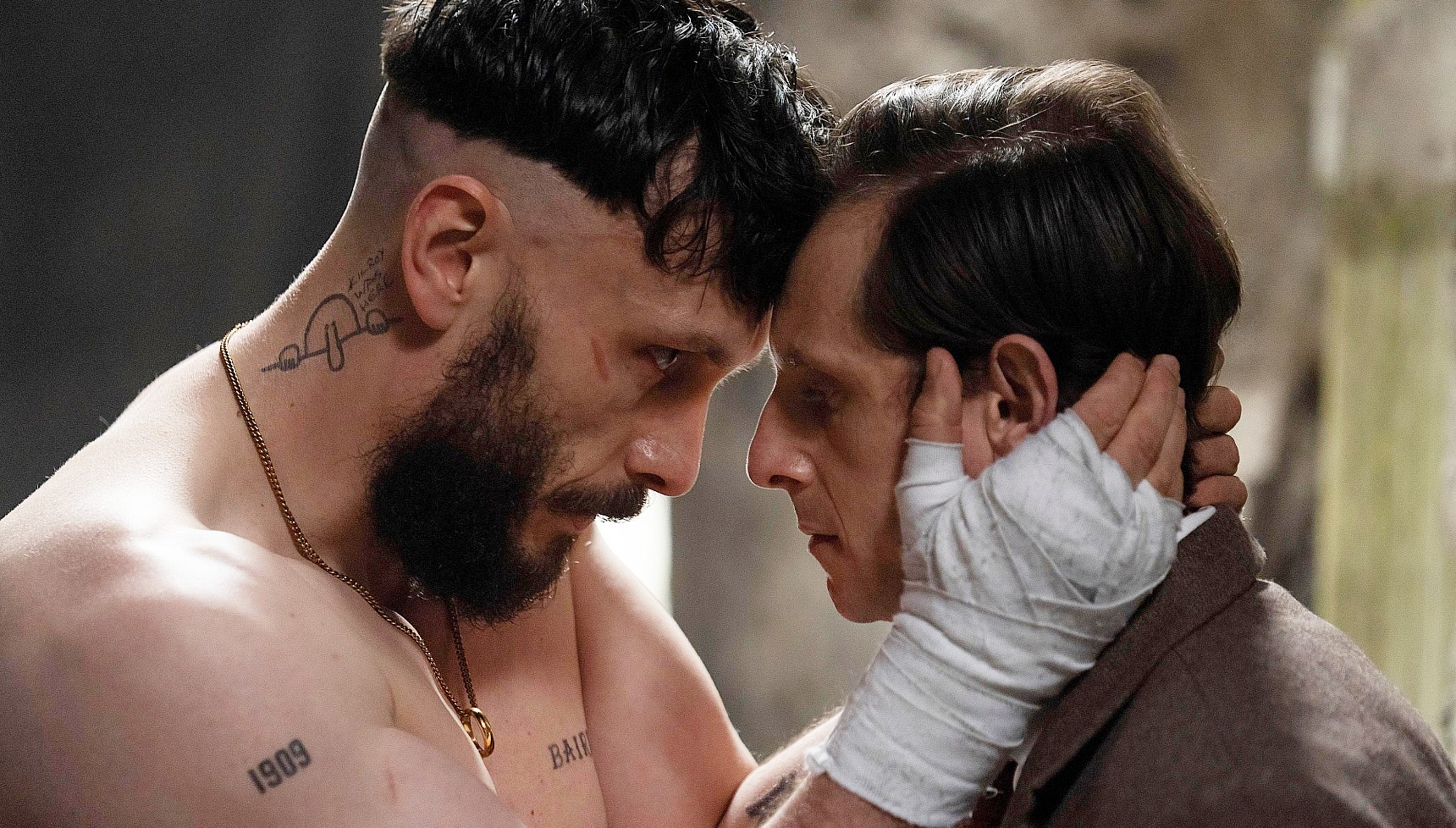
Unlike Baby Reindeer, Half Man isn’t directly based on a true story. It is a work of fiction, though it’s still an incredibly personal story for Gadd.
Writing in the Radio Times, Gadd explained how he “always writes for [himself]” and keeps his work “close to [his] heart”. After Baby Reindeer, there is a slight downside: everyone will think his stories are based on real events.
“Everything I do now, people will assume is based on my life. But Half Man is a fictional series, which I have built from a blank page,” he wrote.
“All they need to do is a bit of Googling to discover that my childhood was very different from that of the central characters, Ruben and Niall, who are brought together when their mothers start living together.”
What is Half Man about?
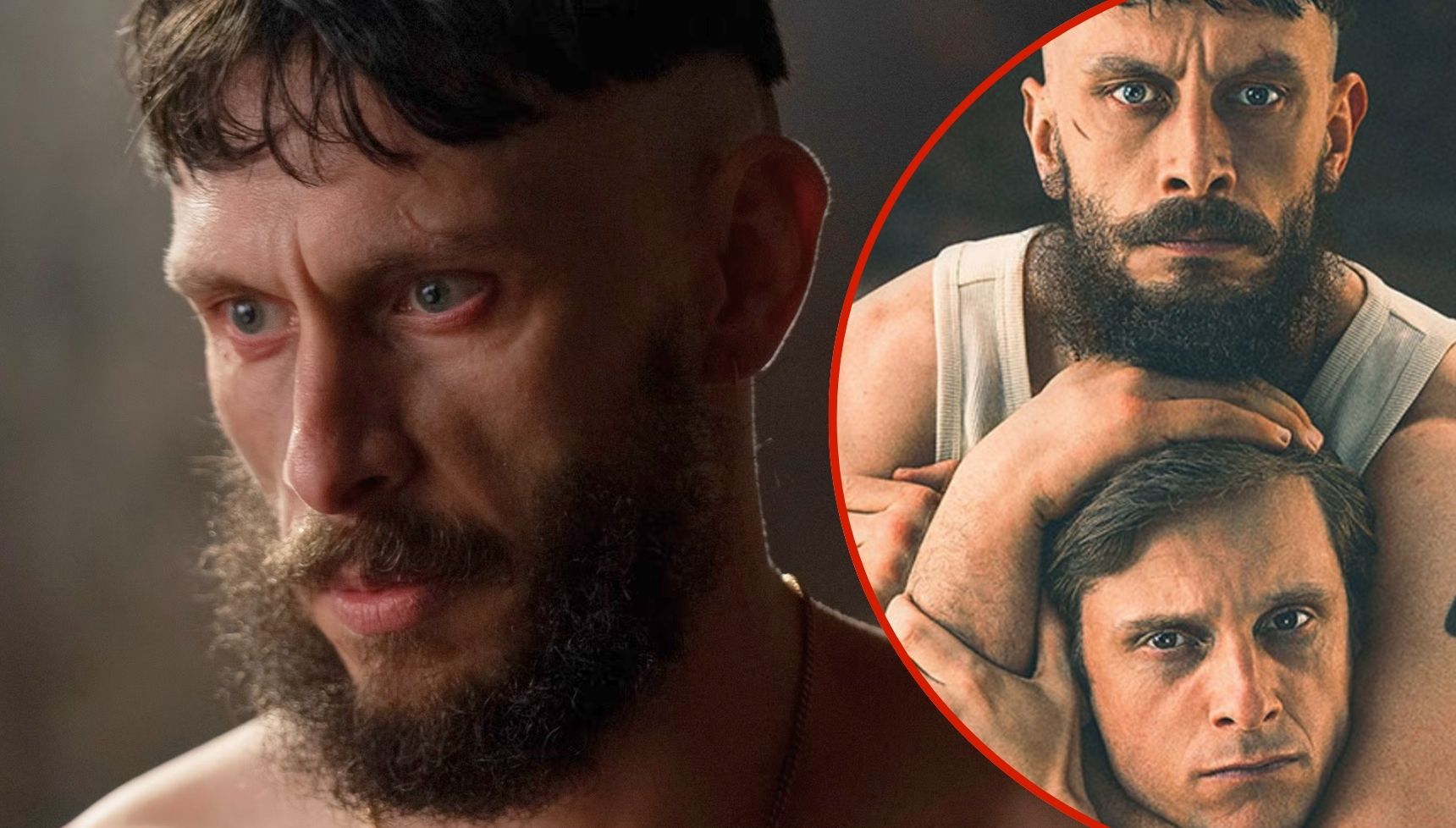
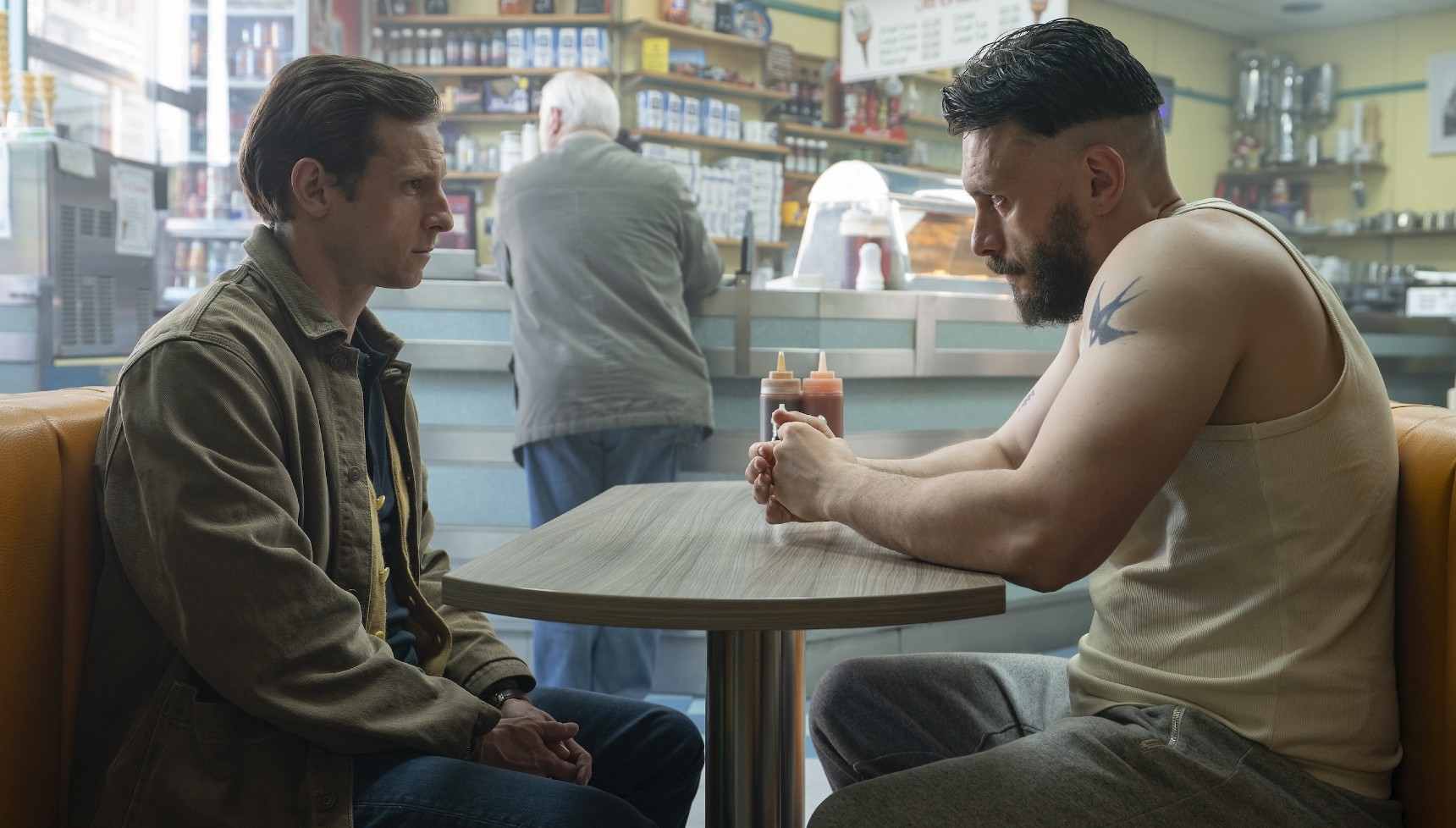
The series follows Ruben (played by Gadd and Stuart Campbell in the character’s younger years) and Niall (Jamie Bell and Mitchell Robertson).
They call themselves brothers, but they’re not blood-related. They’re from “another lover” (in other words, their mums are together).
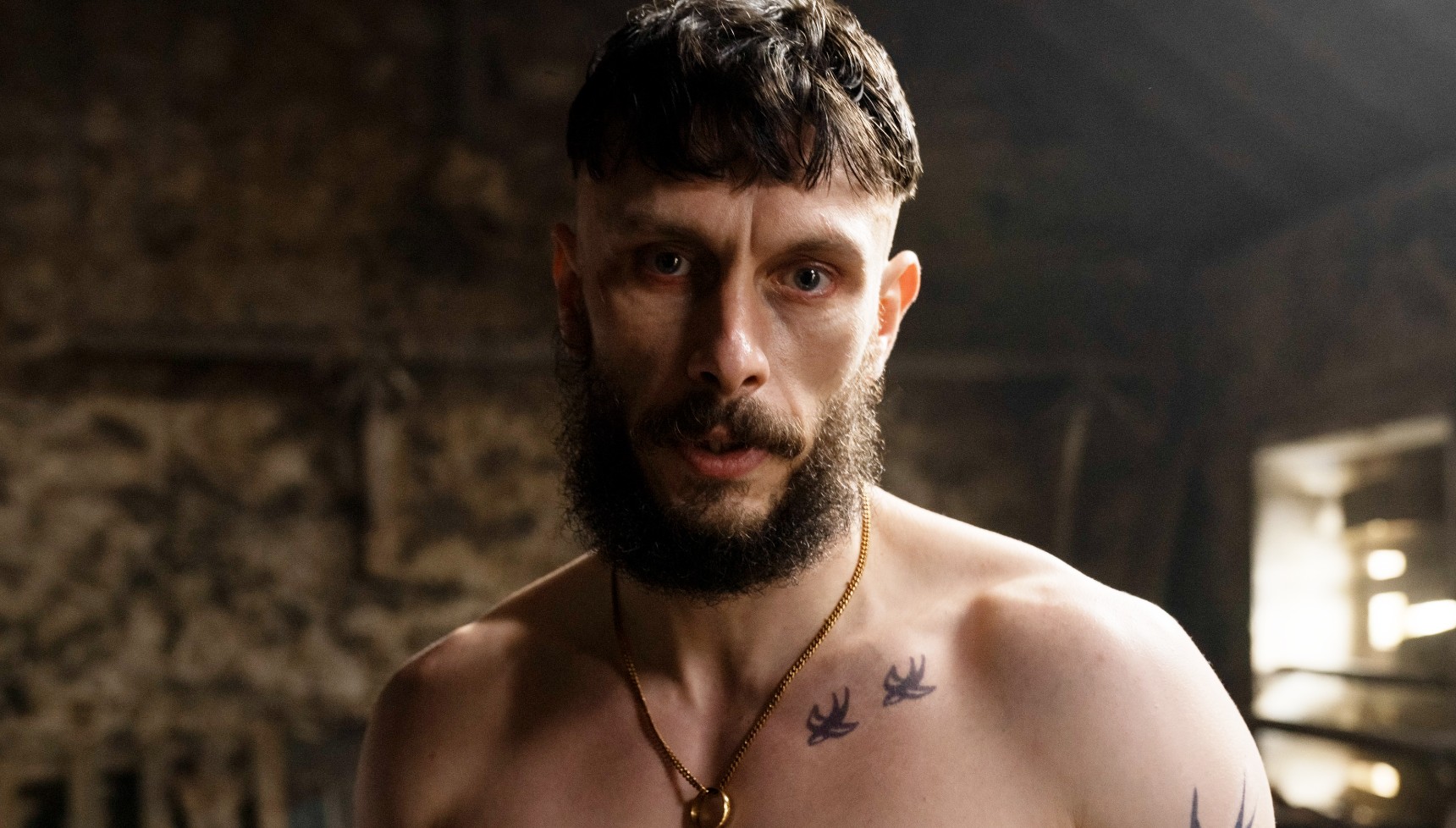
Ruben operates on raw reflexes, often lashing out with catastrophically violent consequences. Niall is shyer, meeker, and sees Ruben as “the best and worst thing all at once”. He’s everything he wants to be, and all that he resents.
For Gadd, “Ruben is so far from any role” he’d ever played and him as a person. Niall’s struggles to reckon with his sexuality come from Gadd’s own experience (he’s openly spoken about being bisexual).
“When I was going through a sexuality crisis, feeling confused – any identity struggle – what I felt I was missing was something on TV that represented that,” he told Attitude.
“As someone’s who’s struggled in my life with various aspects, I feel it is my duty in my art in a way to show struggle for the people who do feel left behind.”
Why Gadd ‘couldn’t shake’ Half Man’s story
Gadd began working on Half Man before he completed the screenplay for Baby Reindeer.
“I had the idea quite a long time ago. I wrote one episode pre-Baby Reindeer. [Then] I went off to do that and always hoped it would be there at the end of it, but the genesis of it happened quite a number of years ago,” he told attendees at a screening.
“I always come up with ideas for things and if I can shake them within a day, then I’m like, ‘They weren’t worth thinking about,’ but this one, I couldn’t shake.
“It stayed with me all the way through Baby Reindeer. I would be like, ‘Please can it still be there on the other side,’ because I knew the BBC were interested and I really wanted to do it with the Beeb.”
Half Man has urgent, potent cultural relevance, especially after Louis Theroux: Inside the Manosphere. But it’s more about toxic masculinity on a singular scale.
Gadd was “aware of toxic masculinity more than [he] was the manosphere, which came into [his] orbit as of a few months ago”.
“I don’t usually take artistic inspiration from phrases – and these phrases are important because they encapsulate so much complicated stuff but I sometimes feel I just have to feel it inwards in a lot of ways.
“I knew there was a general male problem that I was interested to explore and dig into and try to contextualise to a certain degree, but that’s about as far as it went. It just sparked an idea which couldn’t leave me.”
Read more: The best movies on BBC iPlayer right now