The Capture on BBC One: Filming locations for series 3 include several famous UK landmarks you can visit
We will never tire of looking at that skyline
The Capture returns with another brilliantly topical storyline in which DI Rachel Carey continues to fight against AI being used in all the wrong ways – but the stunning filming locations used in series 3 are very real.
In series 3, Holliday Grainger returns as the dogged detective tasked with tackling the deep-fake technology ‘Correction’ which can alter live-streaming CCTV. It’s a scary prospect and probably not too far off in our very real future.
But there’s one thing that definitely isn’t faked in the BBC One conspiracy thriller. And that’s the beautiful UK city the cast and crew used to shoot the series.
So where was The Capture series 3 filmed, and what exact filming locations were used? Here’s everything we know.
Where is The Capture set?
BBC One thriller The Capture focuses on surveillance, intelligence services’ misuse of CCTV, and deep fake technology.
Series 3 sees Rachel Carey working as Acting Commander of Counter Terrorism Command. She’s determined to regain the public’s trust in surveillance technology through the new Operation Veritas camera system.
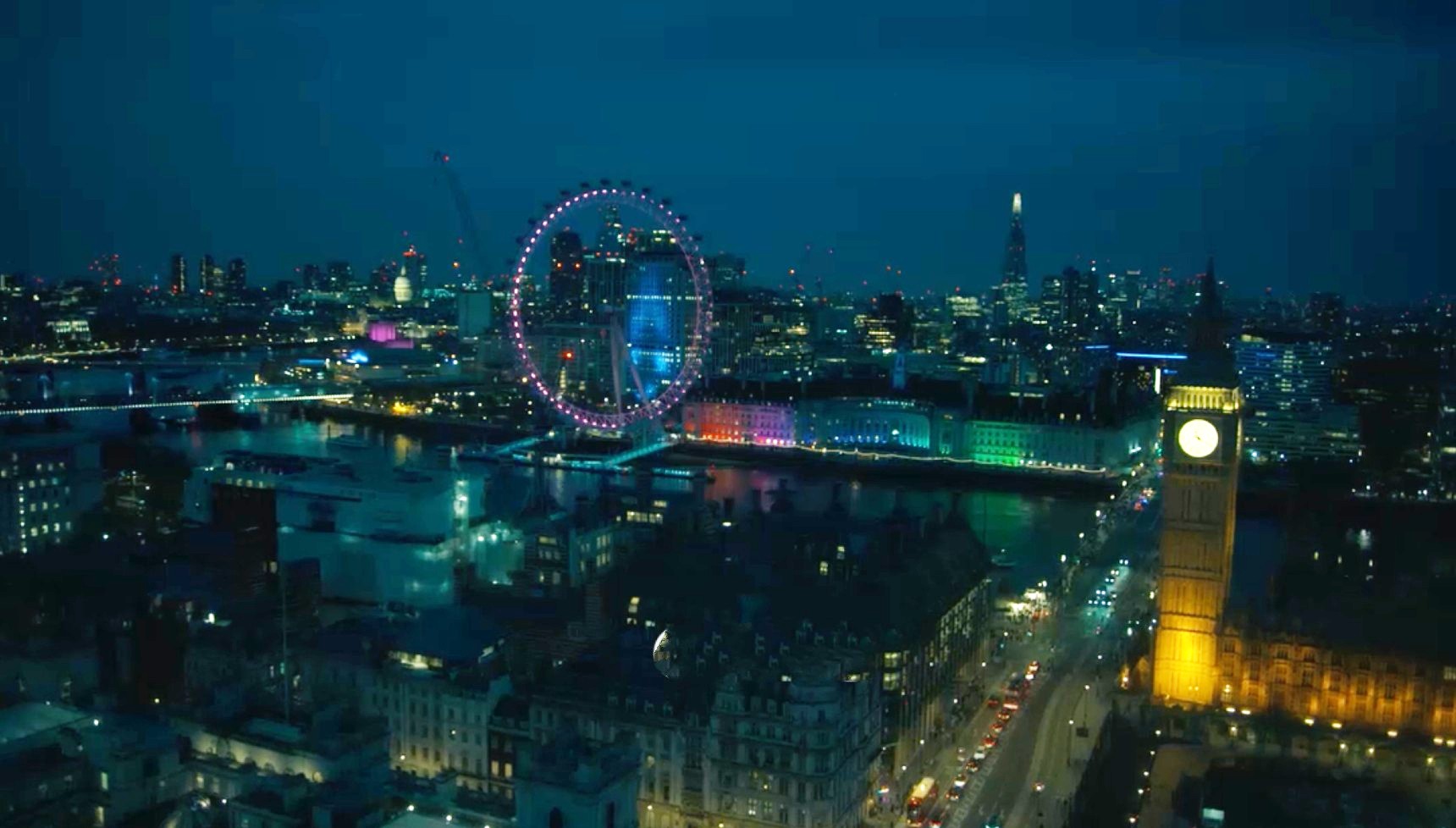
So it’s probably no surprise to hear that The Capture is set in and around the political centre of London. Most notably the heart of the capital, including The Palace of Westminster (most commonly known as the Houses of Parliament after the House of Commons and the House of Lords).
Where is it filmed?
The conspiracy thriller is set AND filmed predominantly in London. There’s no faking that skyline!
Cast and crew of The Capture filmed all over London, and most viewers will easily recognise iconic London landmarks. Some of the most predominant that pop up across the series including The Shard, The Gherkin, The Walkie Talkie, Westminster Abbey, Big Ben, and Tower Bridge. Aerial shots from drone filming also show the famous London Eye, and St Paul’s Cathedral.
Viewers will also see the River Thames and its iconic bridges, including Tower Bridge, and Millennium Bridge.
Away from London, the production team also filmed in Kent, specifically the White Cliffs of Dover. The Capture fans will be able to see the famous landmark on the English coast as an army helicopter flies overhead.
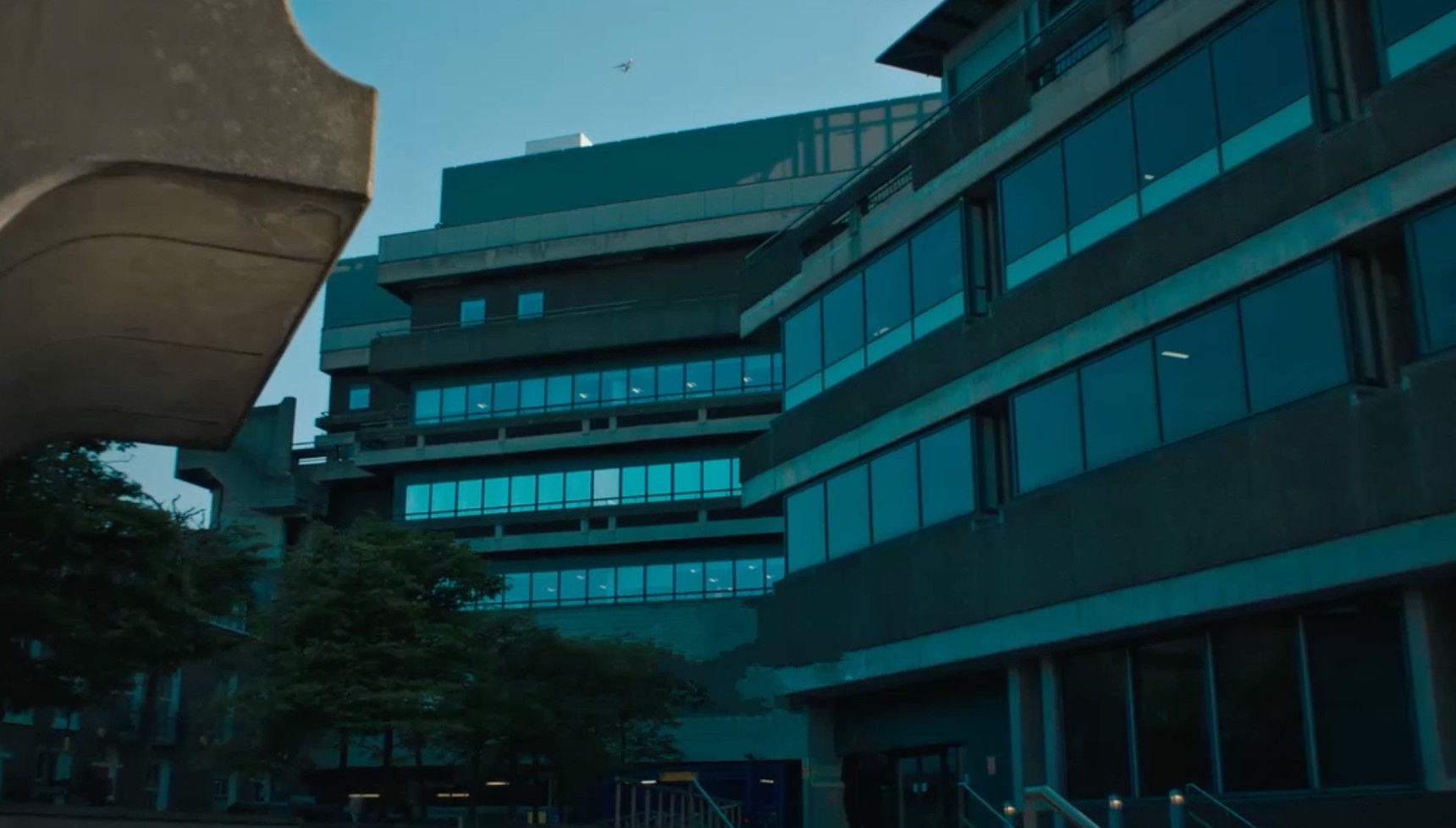
The Capture series 3 filming locations
Like series 1 and 2, West London Film Studios was used as a filming location in The Capture. These are purpose-built studios, with sites in Parkside and Springfield Road. Actor Ron Perlman, who plays villain Frank Napier said the studios were “a great place to work”.
There’s a whooping 194,000 square feet of production space across the two sites, and it remains one of the UK’s leading independent studios. Located in Hayes, the studios are just minutes from Heathrow and Central London. Studios are generally used for interior sets, in this case the high-tech, multi-screen control room. The CTC – Counter Terrorism Command – was filmed at West London Film Studios.
Talking about arriving on set for the first time, new cast member Killain Scott said: “It was quite intimidating. There are people everywhere and screens constantly running surveillance and data. But the set is so well designed that, once you step into it, it does a lot of the work for you. It feels like a real, functioning environment.”
The Capture’s production team actually built the CTC – nicknamed The Mothership – from scratch at the Hayes studios. They wired in hundreds of screens to play mocked-up CCTV footage recorded during the London film shoot.
Of course, members of the public are not allowed to see the real-life version of this room.
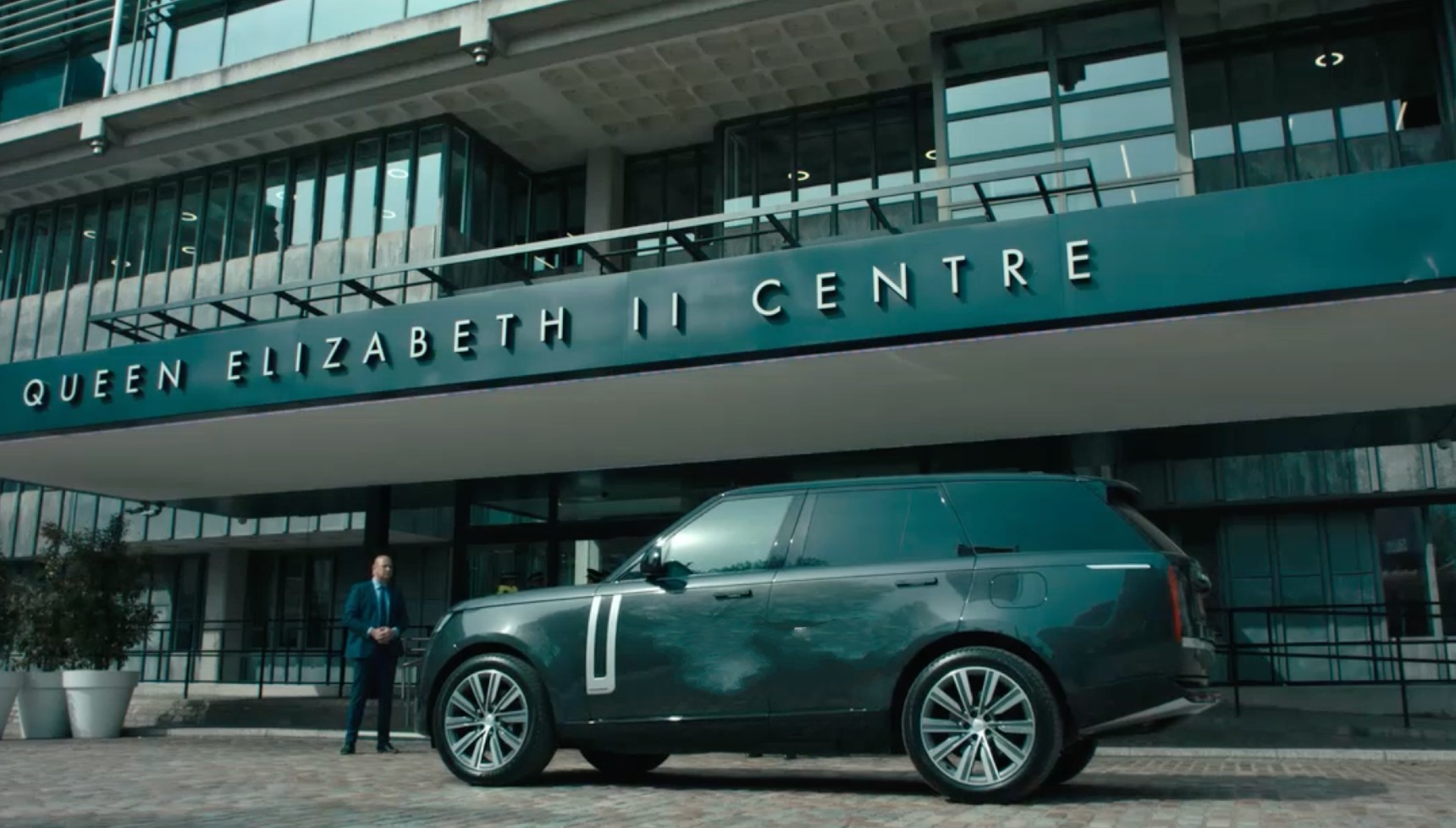
Other key filming locations used in The Capture
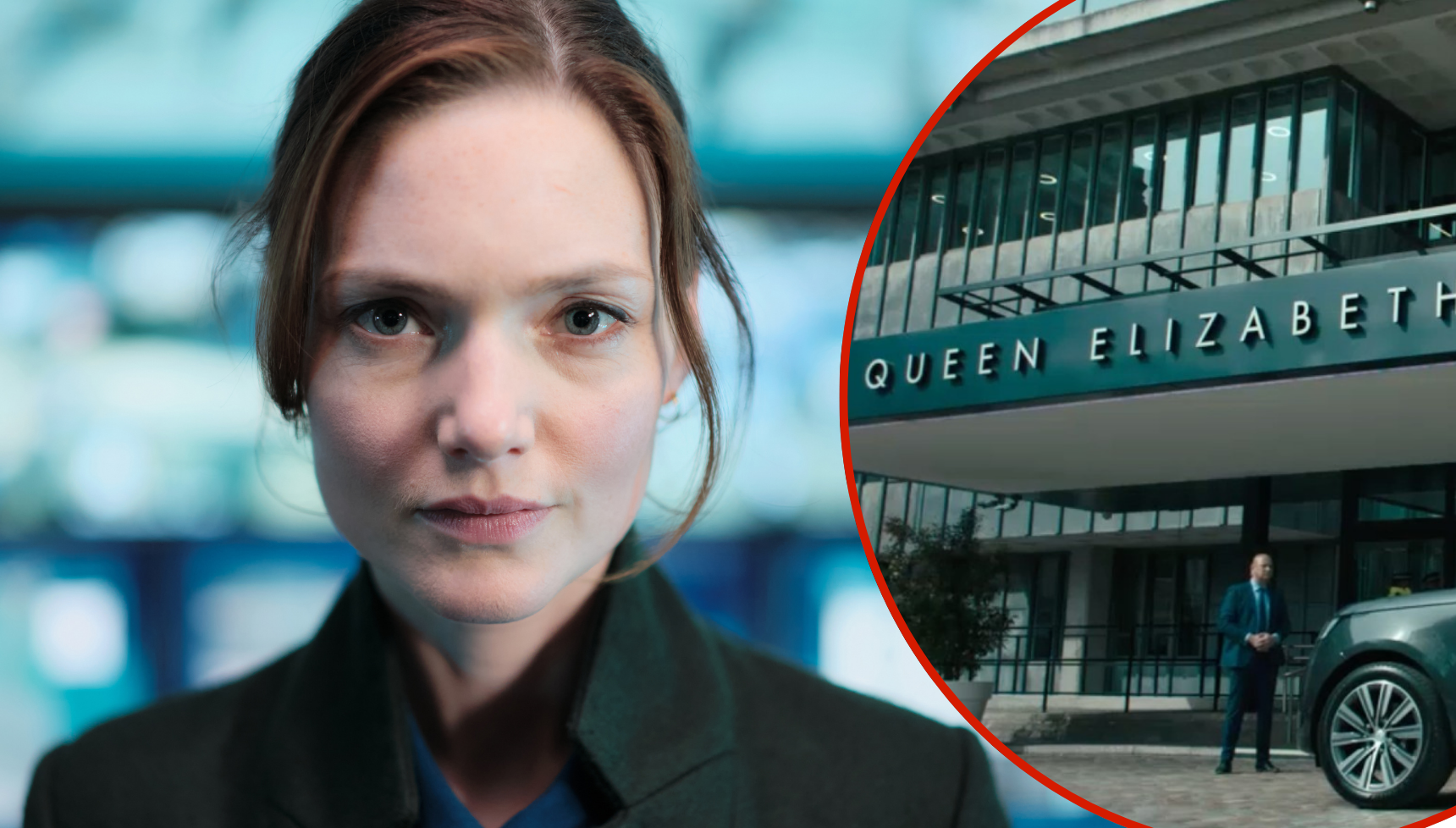
- In episode 1 of The Capture, viewers see Acting Commander Rachel Carey arrived at the Queen Elizabeth II Centre (QEII Centre). In fact, this is the venue where some serious [bleep] goes down [to say anymore would be a spoiler]. The QEII Centre is a real venue. It’s a prominent central London conference and events venue located in Westminster, directly opposite Westminster Abbey.
- Rachel is also seen arriving at the Metropolitan Police headquarters building located on Lambeth Road in London. The building is known as a hub for police operations, including emergency call centres. It’s recognised for its distinctive modern architecture.
- In later episodes, Tessa Wong (Chloe Tan) and DI Nadia Latif (Ginny Holder) run down The Strand in London. Of course, any Londoner will tell you that the road is known for being a West End hub for theatres. It’s also the home of luxury hotels like the Savoy Hotel, Somerset House and the Royal Courts of Justice.
- In episode five, some of the action takes place underground, using tunnels beneath Paddington and King’s Cross to double as secret government passageways.
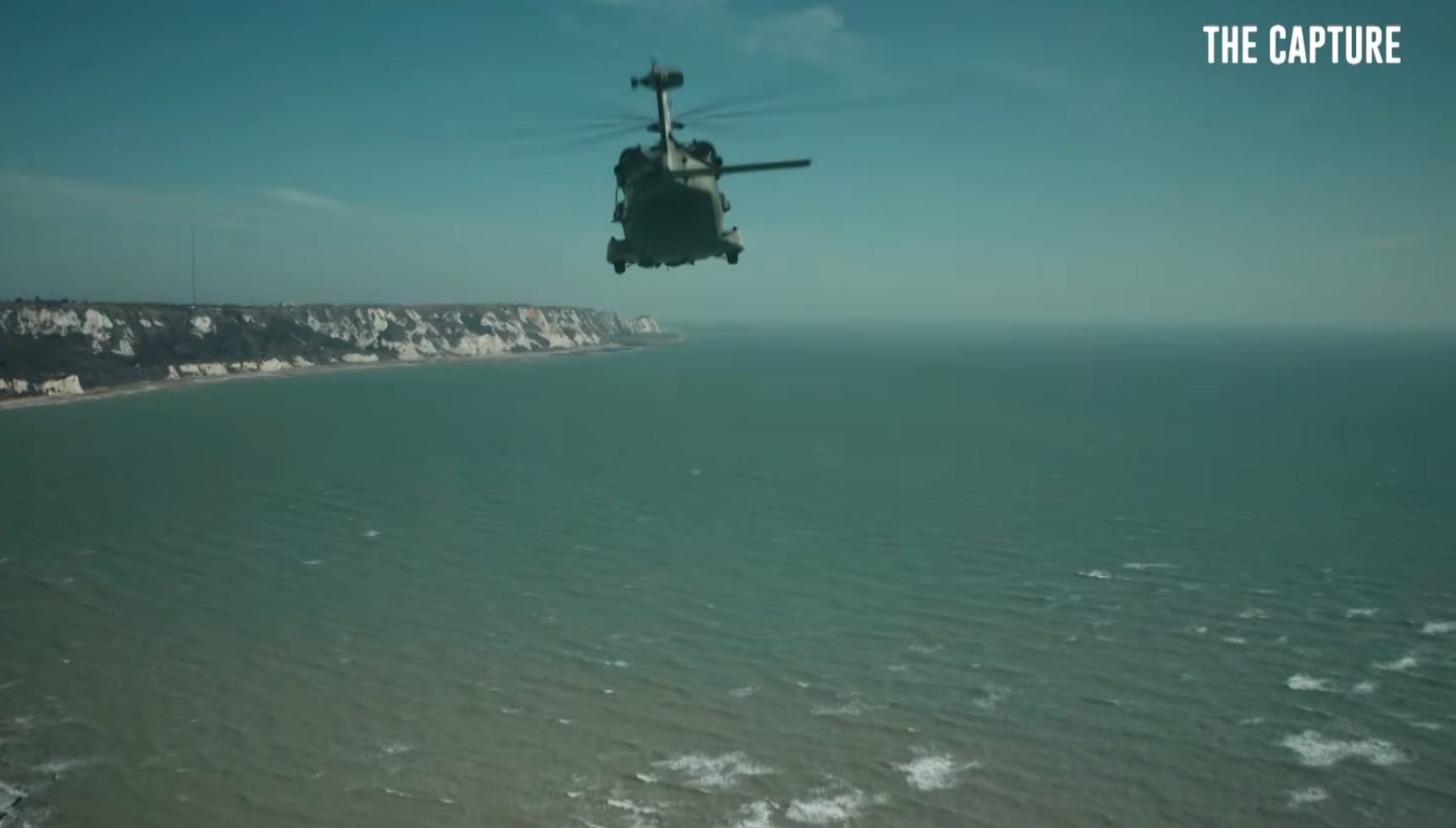
‘We’ve embraced London and the UK fully, from Westminster to Dover’
Talking about filming in and around London, actress Tessa Wong – who plays Chloe Tan – said the locations were one of the highlights of series 3.
She said: “Running down The Strand with Ginny was a highlight. Filming in such a public space, with everything happening around us, was thrilling and completely different from studio work. Stepping back onto the CTC set was also amazing. Seeing the scale of it – all the screens, the detail – really brings the world to life. It feels incredibly real and immersive.”
Meanwhile, Rachel Carey actress Holliday Grainger said: “The sets are incredible, especially the Counter Terrorism Command ops room, which has the biggest screen I’ve ever seen. Episode five also takes us underground, using tunnels beneath Paddington and King’s Cross to double as secret government passageways.”
Executive Producer Derek Ritchie added: “The overall look and feel of series 3 is bigger, bolder, and more polished. CTC has expanded, reflecting Carey’s rise and new resources. Operation Veritas has its own distinct visual language, particularly in how the screens work.
“We’ve embraced London and the UK fully, from Westminster to Dover, giving the series greater scale and visual ambition.”
Read more: The Capture series 1 and 2 recap: How first two series ended and what it means for series 3