BBC shares statement over BAFTAs racial slur as Robert Aramayo breaks silence: 'It's not being abusive, it's Tourette's'
Biopic I Swear tells the story of Tourette's campaigner John Davidson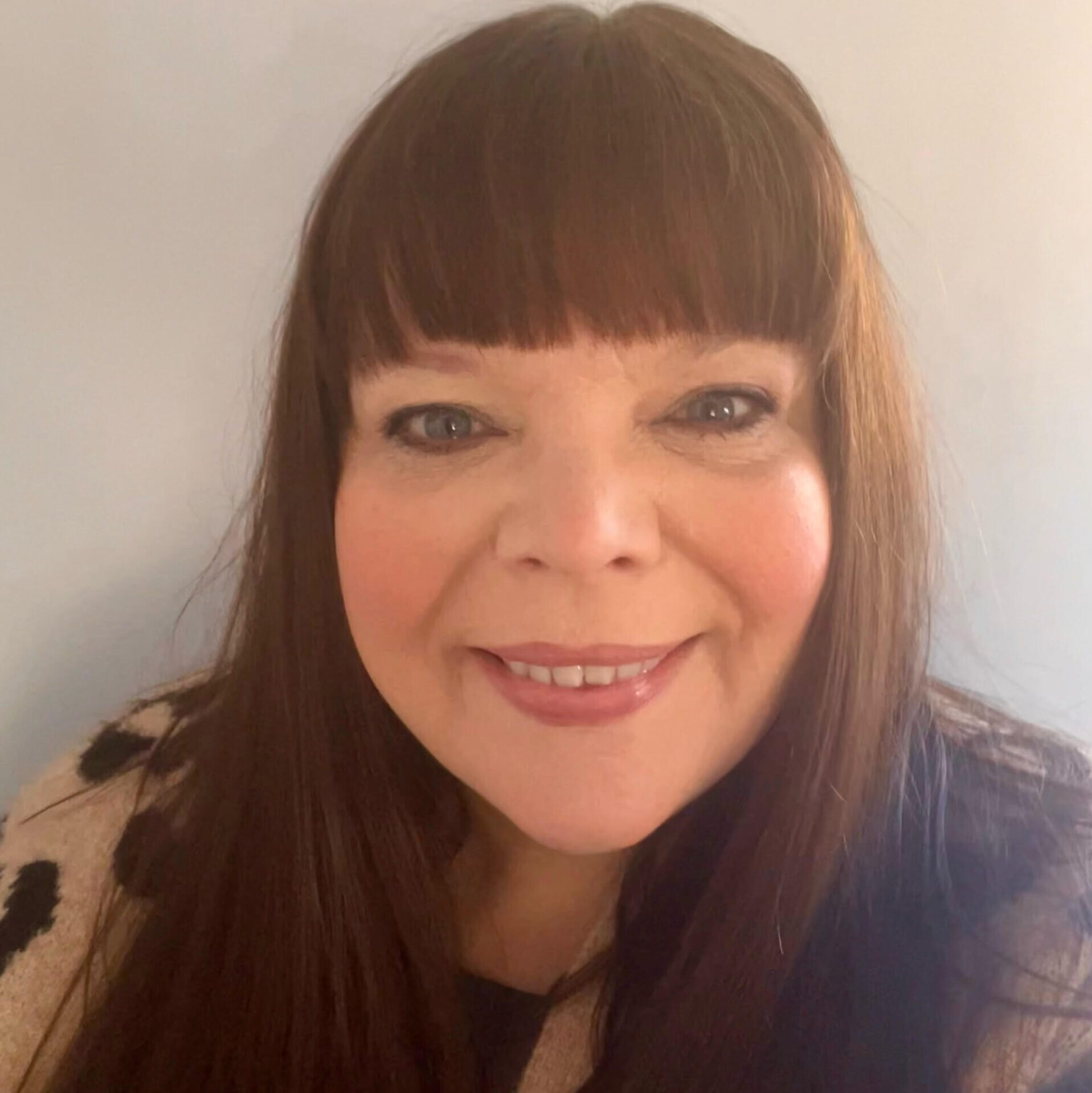
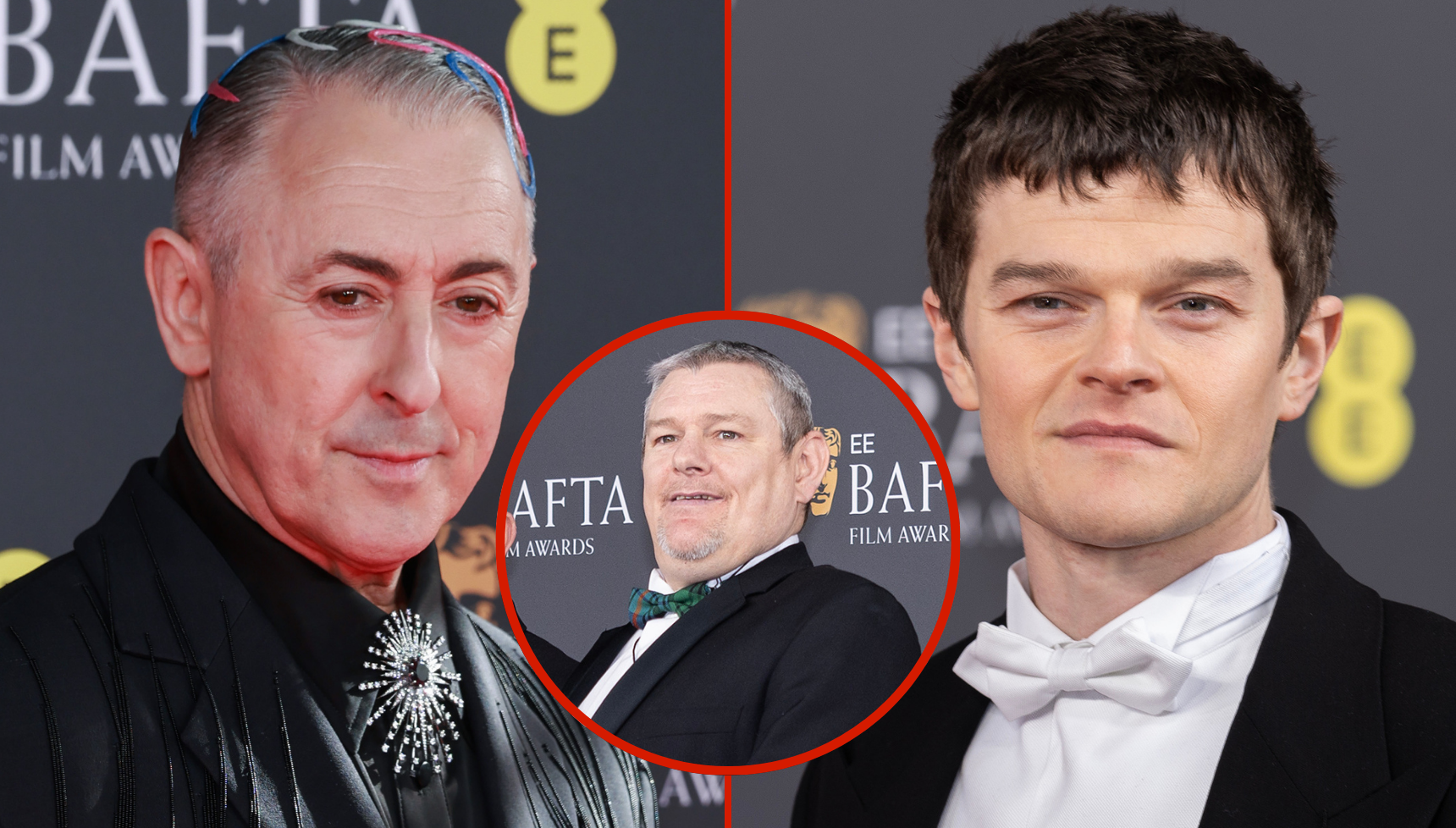
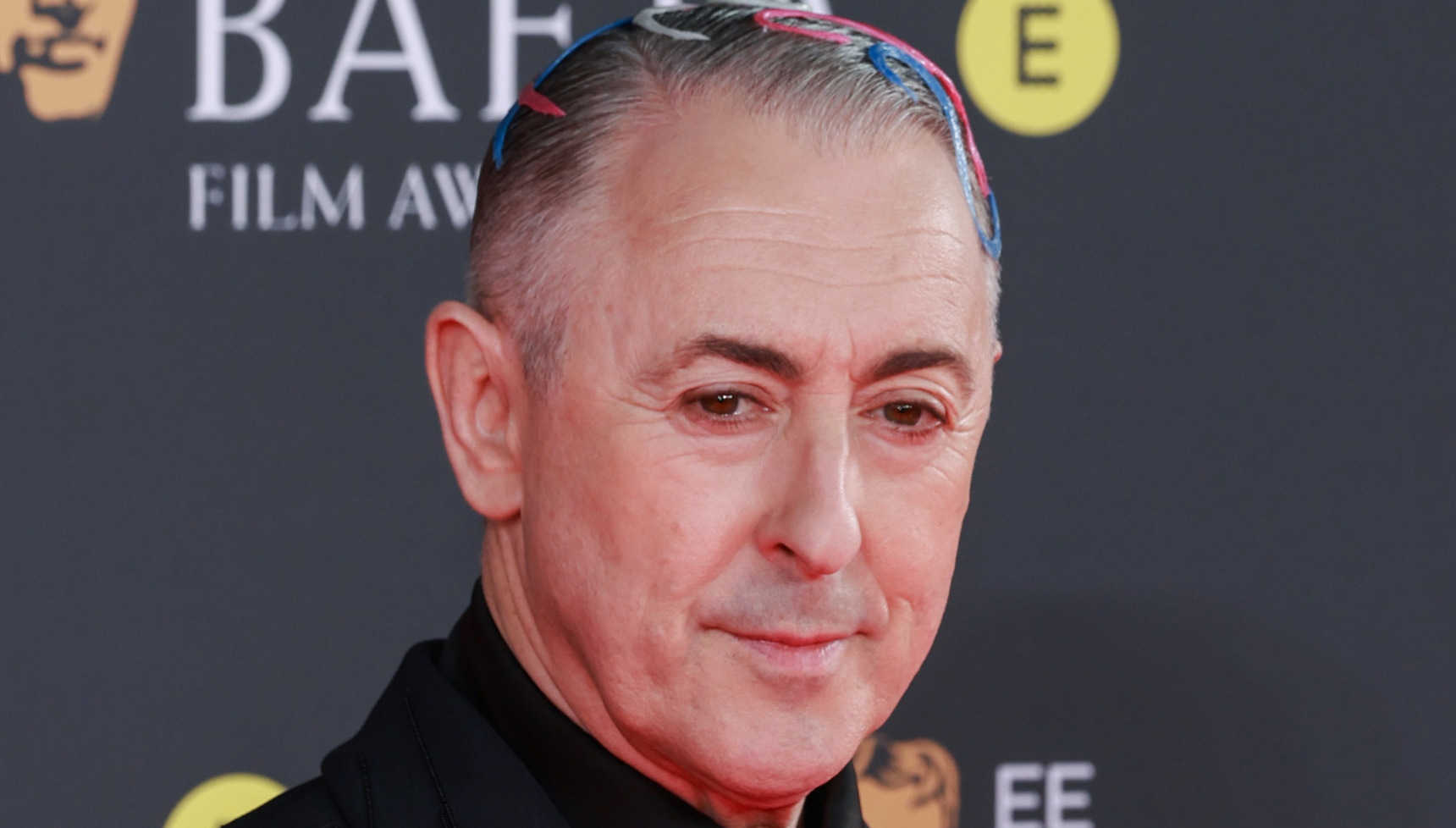
The BAFTA Film Awards took place in London last night, with movie I Swear grabbing gongs and headlines and BAFTAs host Alan Cumming issuing an apology after a number of involuntary tics from Tourette’s campaigner John Davidson aired on the BBC.
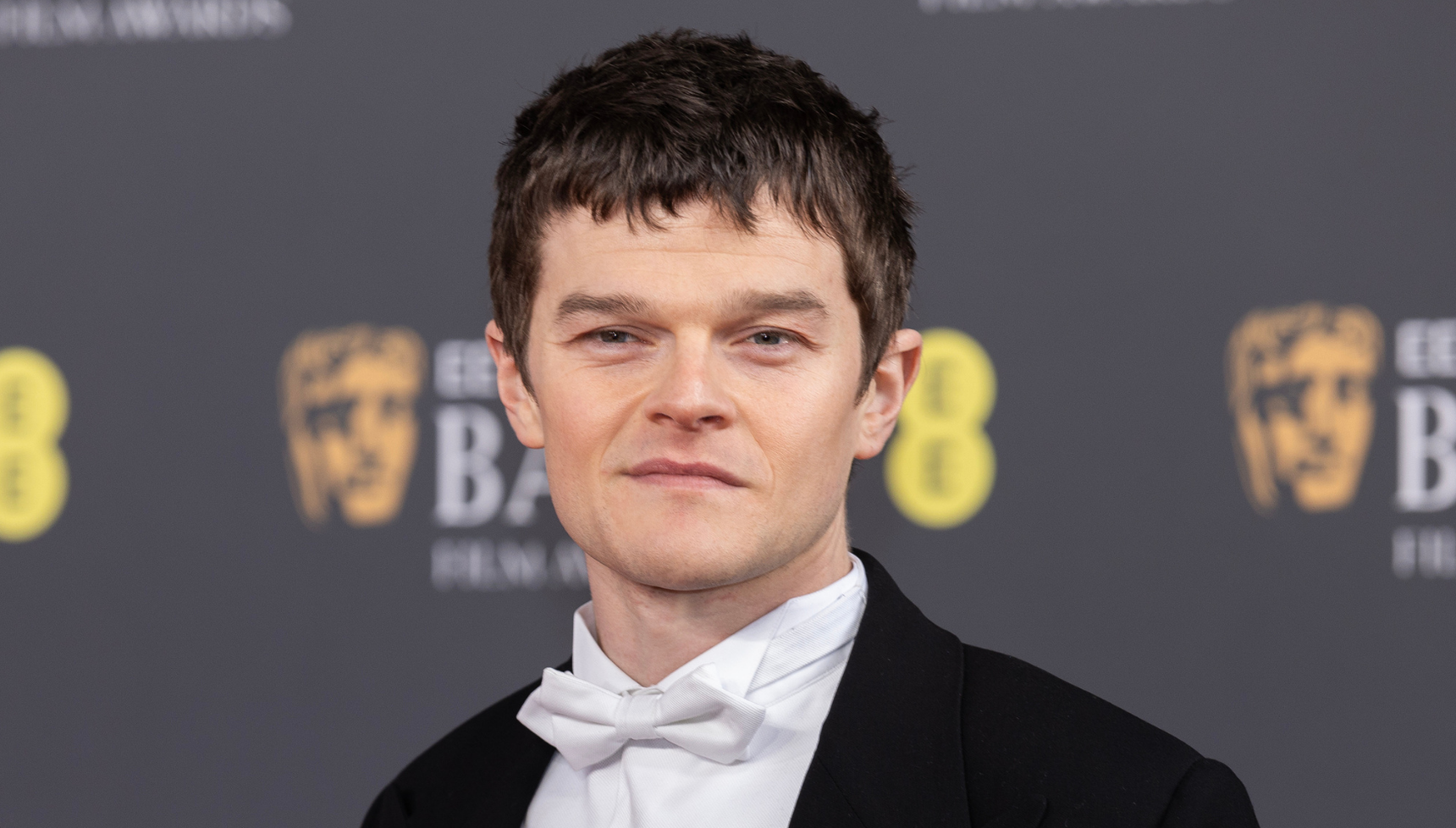
Actor Robert Aramayo won the award for Best Actor for his performance in the film, which tells the real-life story of Tourette’s campaigner John.
However, after Robert’s acceptance speech, Alan issued an apology, saying: “You may have heard some strong and offensive language tonight. If you have seen the film I Swear, you will know that film is about the experience of a person with Tourette syndrome.
“Tourette syndrome is a disability and the tics you have heard tonight are involuntary, which means the person who has Tourette syndrome has no control over their language. We apologise if you were offended.”
BAFTA racial slur – what was said?
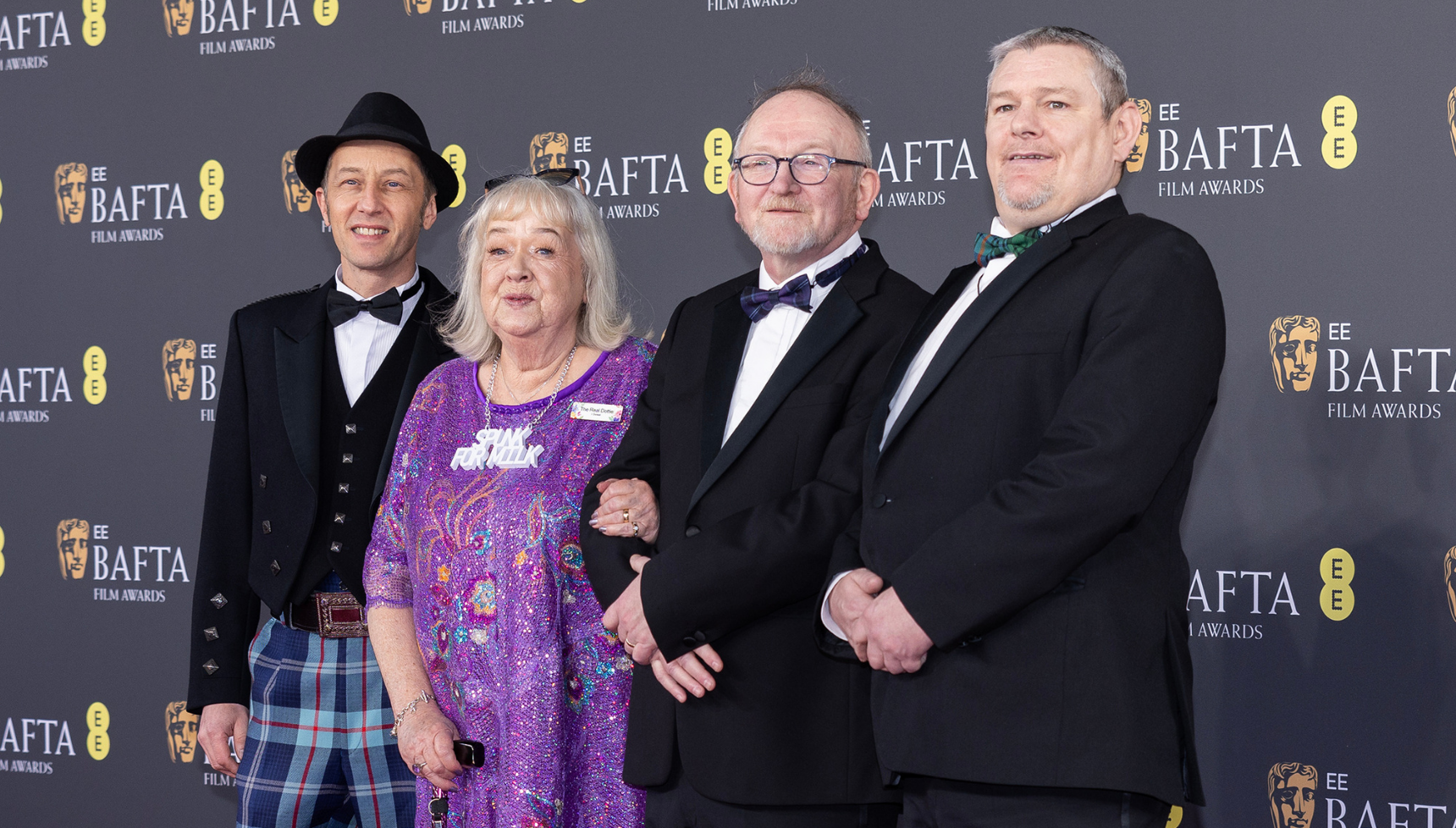
John was in the audience of the BAFTAs last night (February 22) to see the biopic based on his life celebrated. During the show, which aired with a delay on BBC One, a number of involuntary tics could be heard.
These included the words “shut the [bleep] up” being shouted during an introductory speech from BAFTA chair Sara Putt. “[Bleep] you” was heard when the award for best children’s and family film was handed out.
Viewers also heard the n-word shouted as Michael B Jordan and Delroy Lindo presented an award.
One audience member tweeted to confirm: “I was at the BAFTAs. John Davidson had been involuntary ticking before the show started, and throughout. All guests were made aware before the show started and throughout as to why.”
Don't miss a single story! Add us as a Preferred Source in Google for all your television news
Alan Cumming and the BBC face backlash over BAFTAs Tourette’s apology
However, after the apology, viewers at home levelled a series of complaints at both the BBC and the ceremony’s host. Many argued that the tics should’ve been edited out of the BBC One broadcast, given that it was shown on a delay. Others countered that the whole point of the movie I Swear was to raise awareness for the condition and no apology was needed.
“Oh FFS why apologise for the Tourette’s in the audience #BAFTAs It’s undermining the whole point of I SWEAR,” said one. “I understand the mentioning of someone with Tourette’s tic-ing and explaining they cannot help it. But you ruined it by apologising for it,” said another.
“Did they really just apologise for Tourette’s at the very moment they honoured it. Get a bloody grip,” another commented.
Others asked why the n-word in particular wasn’t edited out of the ceremony when it aired on the BBC, though.
“Why not edit the racist shouts out?” asked one. “The BBC was extremely irresponsible for not censoring that moment,” said another. “I don’t get why it wasn’t edited out, though?” said a third.
BBC issues statement
Earlier today, the BBC issued a statement. In it, the BBC apologised for any offence caused, and also explained that the tics were involuntary “and not intentional”.
A spokesperson said: “Some viewers may have heard strong and offensive language during the BAFTA Film Awards 2026. This arose from involuntary verbal tics associated with Tourette syndrome, and was not intentional. We apologise for any offence caused by the language heard.”
Reports suggest that John Davidson left the ceremony during the second half of the show.
Actor Robert also spoke about the tics at the after-show party. He said: “First of all the are tics. He is ticking. We have to understand. The way we perceive Tourette’s is a joint responsibility. It’s not shouting obscenities. It’s not being abusive – it’s Tourette’s. They are tics. If it can lead to a deeper understanding of Tourette’s, and movies are part of that conversation, then it’s an incredible thing.”
Read more: Inside Holly Ramsay’s struggles as mum Tana addresses ‘tough times’ in new documentary