

Channel 4 documentary The Great ADHD Myth? receives 9,656 Ofcom complaints
The documentary sparked some backlashChannel 4 has drawn 9,656 Ofcom complaints over its controversial documentary The Great ADHD Myth?.
According to Channel 4, the documentary heard “from a growing number of medical experts who are questioning the conventional narrative around ADHD”.
Ofcom recorded the complaints figure in its latest weekly audience report. The programme had already faced criticism over its title and central premise.
Why The Great ADHD Myth? faced criticism
The documentary examines whether ADHD is a neurodevelopmental disorder or a social construct. It also questions the use of psychiatric medication for some children diagnosed with the condition.
At the time, viewers were divided. One person said on X: “@Channel4 you should be absolutely ashamed for airing this about an already potentially vulnerable group of people. SHAME on you.”
Another wrote: “Absolutely appalling documentary about ADHD. Completely one sided.”
Meanwhile, ADHD UK criticised the programme and encouraged viewers to complain to Ofcom.
Professor Katya Rubia also challenged its portrayal of her contribution. Katya is a cognitive neuroscience professor at King’s College London’s Institute of Psychiatry, Psychology and Neuroscience.
The Guardian reported Katya as saying her comments had been “cherrypicked, largely misrepresented, truncated”.
NHS data for May 2025 estimated that 2,498,000 people in England had ADHD. That figure included people without a diagnosis. Around 741,000 were aged between five and 24.
The NHS describes ADHD as a condition affecting behaviour. People may experience restlessness, difficulty concentrating or impulsive behaviour.
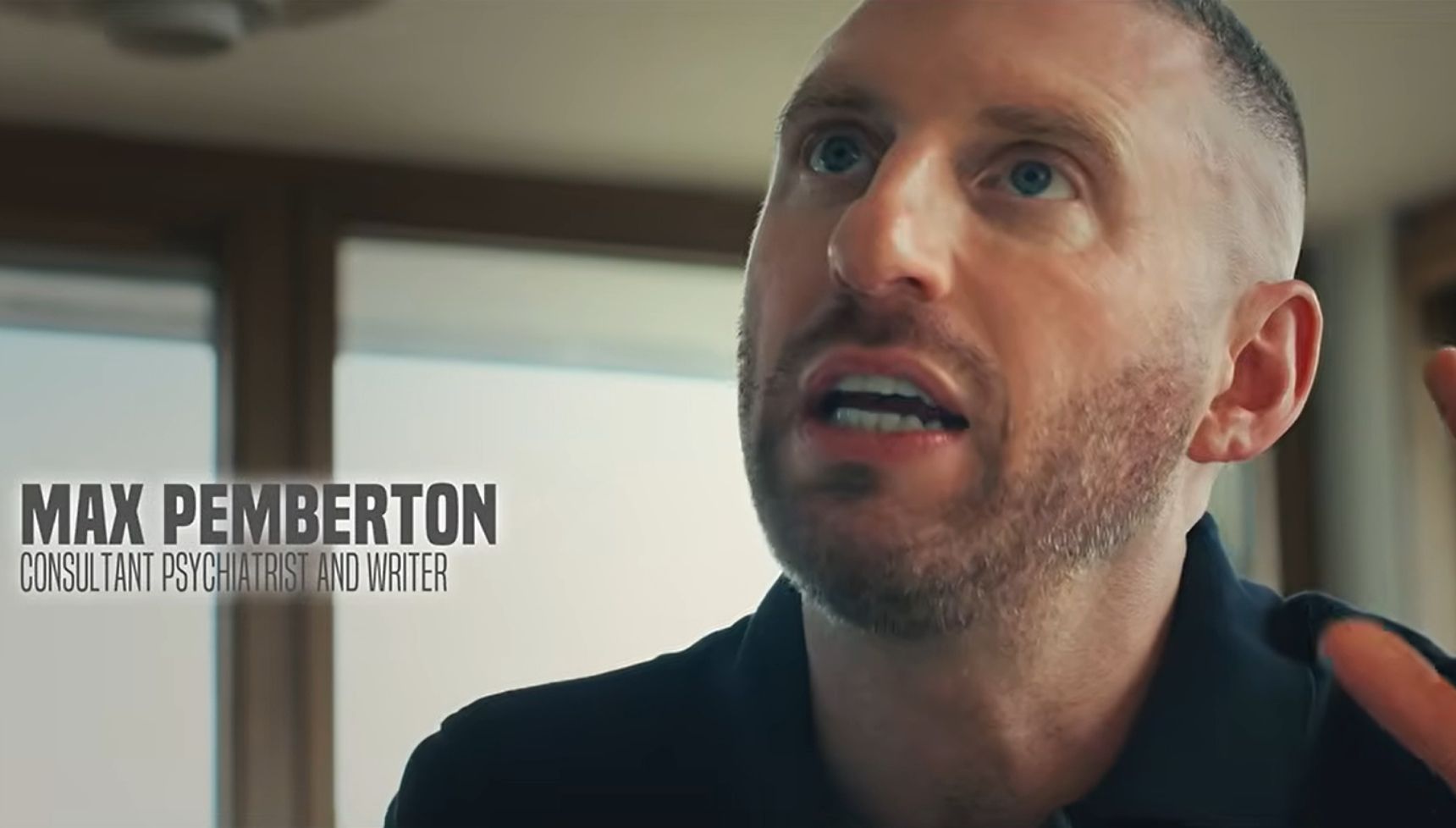
Dr Max Pemberton explains The Great ADHD Myth? investigation
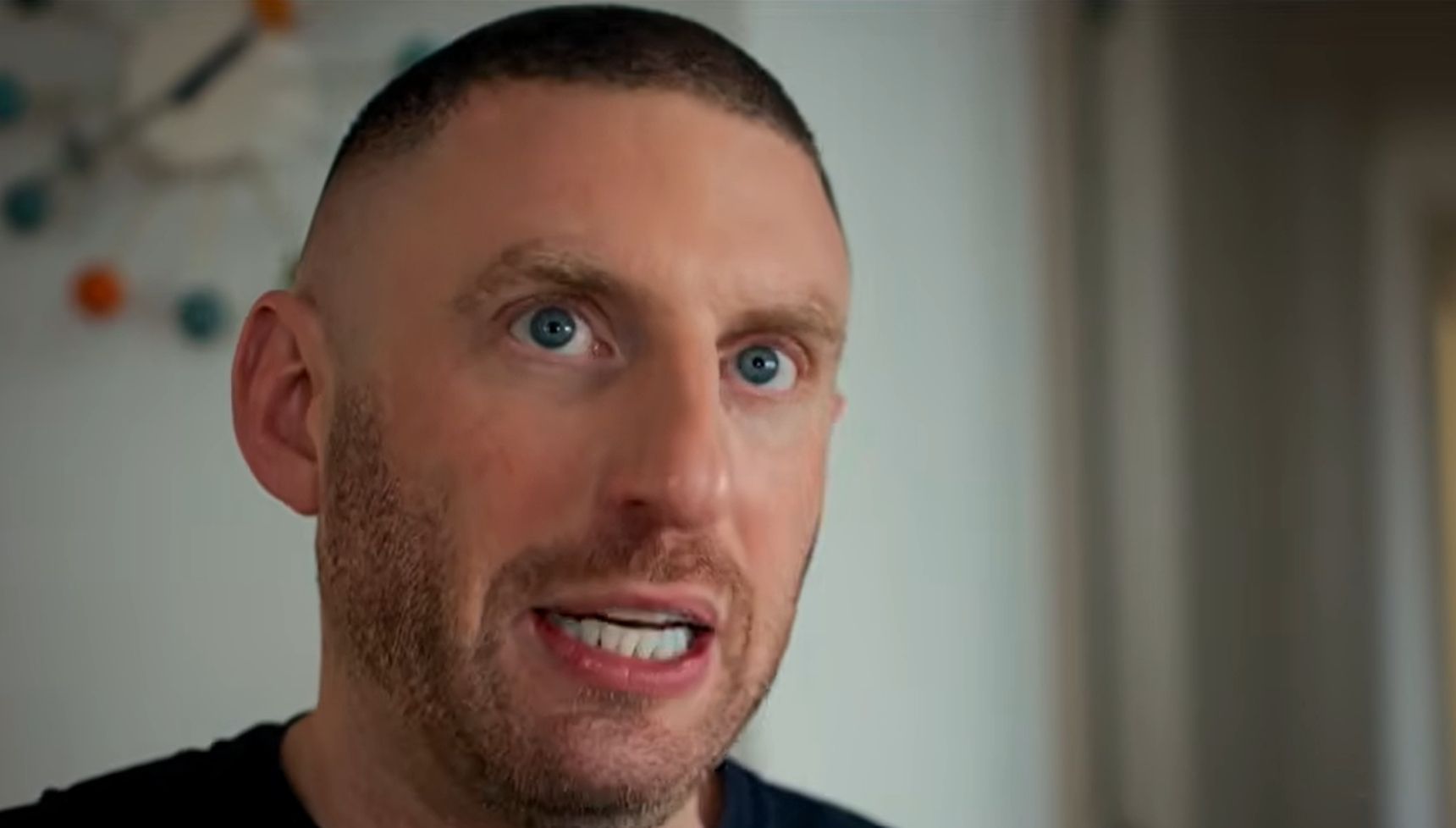
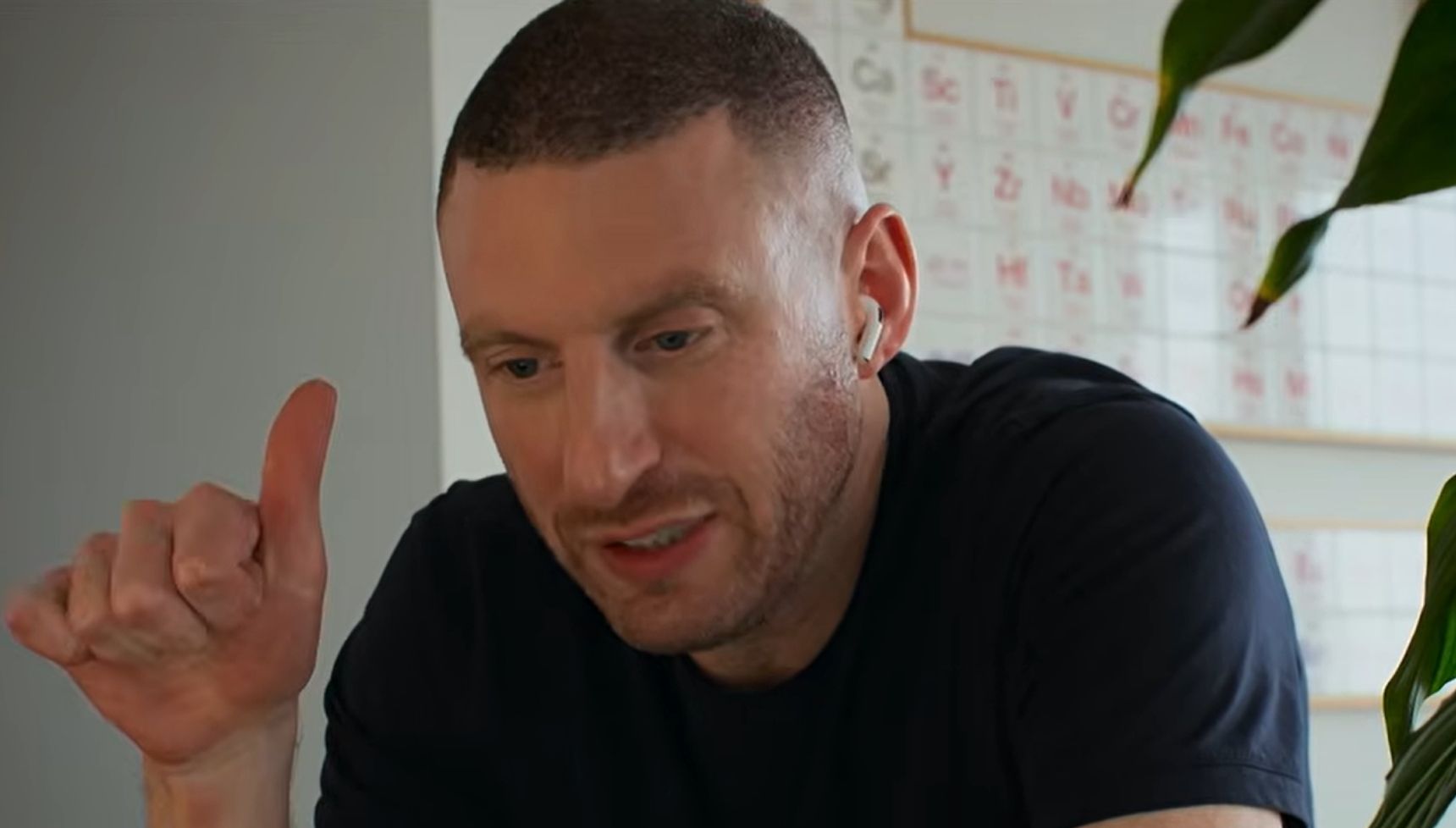
The programme centres on Dr Max Pemberton, a full-time NHS psychiatrist. He investigates why demand for ADHD assessments and diagnoses has grown.
Max said: “There’s no doubt that the people seeking these diagnoses are genuinely struggling; that isn’t in question.”
The psychiatrist said the film instead asks whether ADHD always provides the best explanation for those struggles. He also wanted viewers to consider modern life’s effect on people.
Channel 4 cited NHS figures showing referrals for ADHD diagnoses rose by 200% between 2020 and 2025.
Channel 4 responds to The Great ADHD Myth? backlash
Channel 4 defended its decision to broadcast the documentary following criticism from ADHD UK.
The broadcaster defended its remit. It said this includes “offering a platform for alternative views, stimulating public debate and challenging the status quo”.
It added that the title deliberately takes the form of a question rather than making a definitive statement.
In a separate statement shared with BBC News, Channel 4 said the film does not deny diagnosed people’s lived experiences. It said the documentary features senior medical experts who question conventional understanding of ADHD.
Those contributors included experts who work, or have worked, with the NHS. Others have held presidential positions at professional membership bodies.
When The Great ADHD Myth? aired and where to watch
The Great ADHD Myth? aired on Channel 4 on August 18. Ofcom’s report covered complaints received between August 18 and August 24.
Ofcom listed no other programme in that week’s report. The documentary’s 9,656 complaints exceeded the combined total from the previous three weeks.
TV Guide has reached out to Channel 4 for further comment.
The Great ADHD Myth? is available to watch on Channel 4.com and Channel 4‘s YouTube channel.
This article was produced with the assistance of AI technology to synthesise source reporting and structured data. It has been reviewed, edited, and fact-checked by our human editorial team before publication.