The secret 'violent' meaning behind Andrew Tate's hand gesture seen in Louis Theroux: Inside the Manosphere
The hand gesture links to "the matrix"
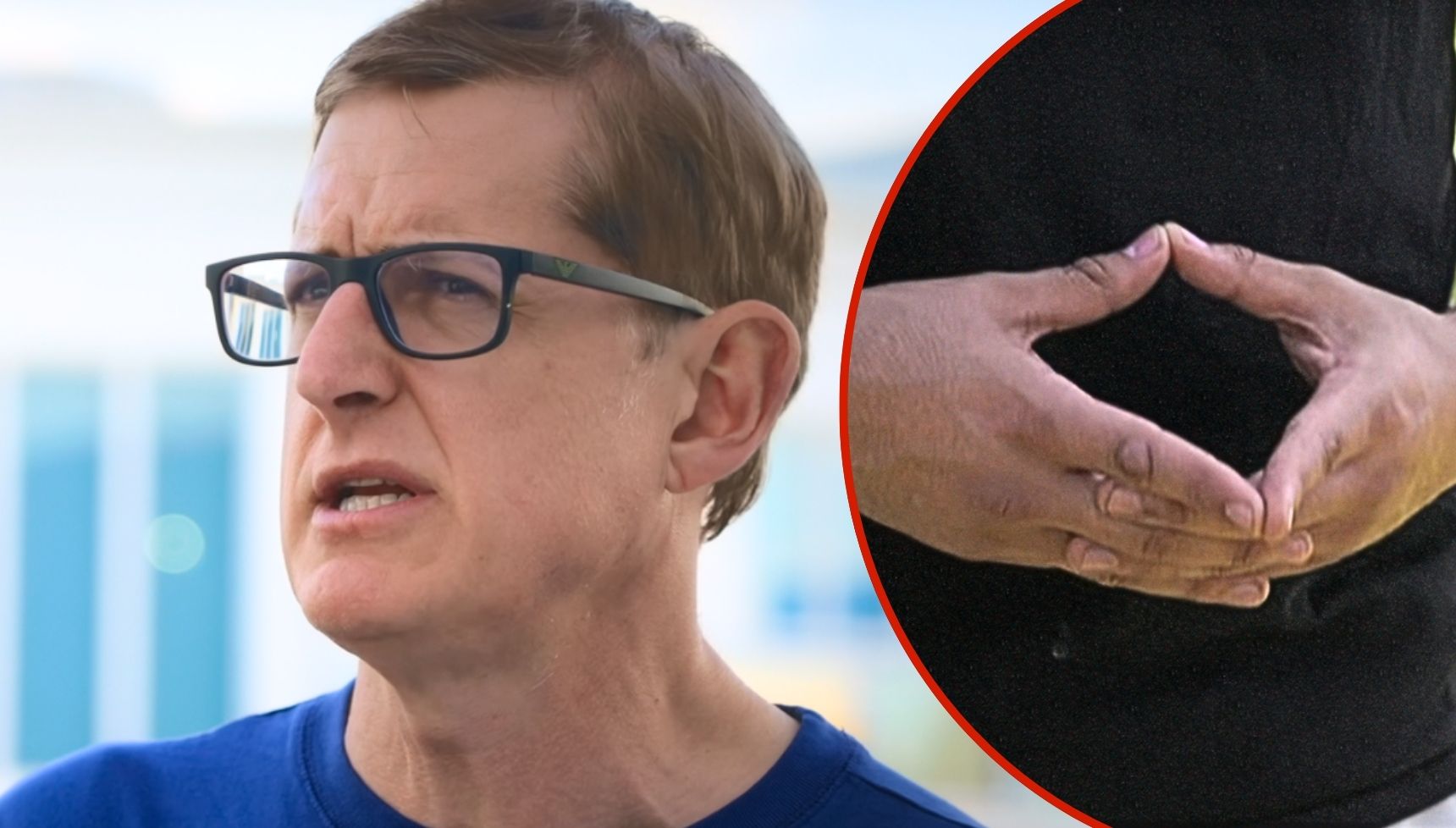
Louis Theroux: Inside the Manosphere may not feature Andrew Tate himself, but one of his trademarks appears throughout the documentary: a triangle-shaped gesture.
“A few years ago, I noticed that parts of the internet were being taken over by a collection of male influencers. They claimed to be giving young men the cheat codes to win at life… I became curious why some of them held such extreme beliefs,” Theroux says in the opening minutes of the doc.
This is the ‘manosphere’: a “new world of men” propagating misogyny, toxic masculinity, and often right-wing attitudes.
Tate is its most notorious and prolific figurehead. He’s referenced multiple times in Theroux’s new documentary – and not just in words.
Is Andrew Tate in Louis Theroux: Inside the Manosphere?
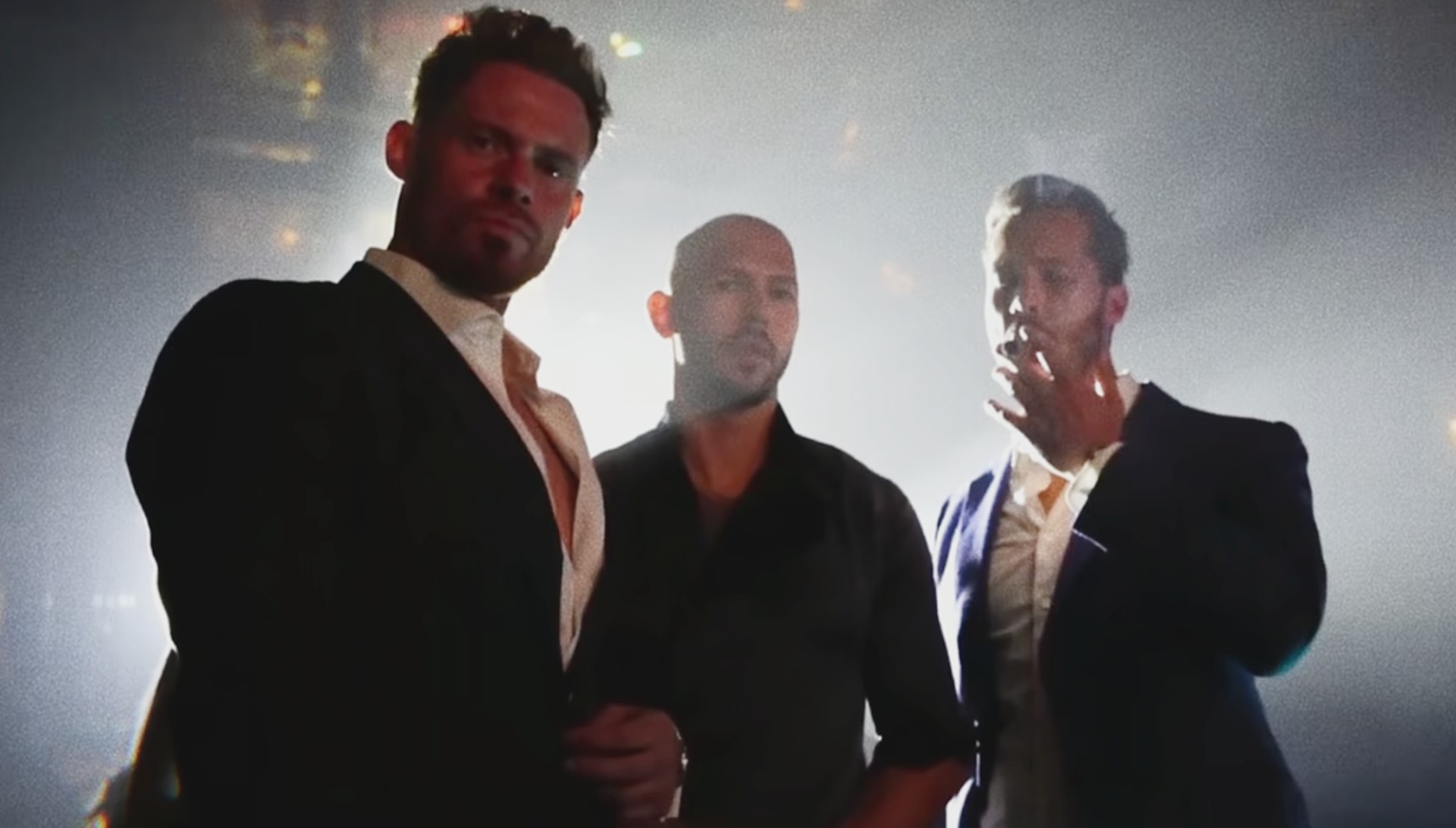
No. While clips of Andrew Tate are scattered through Louis Theroux: Inside the Manosphere, Theroux never speaks to him.
Theroux once described himself as the “anti-Tate” in an interview with Steven Bartlett, criticising his “ostentatious, troll-like” displays of wealth. He also told GQ that while Tate is clearly a talented broadcaster, he spouts “retrograde and misogynistic” ideas.
However, his presence can be felt in the documentary, especially when multiple subjects place their hands in a very specific way. With their hands down low, they interlock their fingers, apart from their index fingers and thumbs, which they use to form a triangle.
Theroux asks two men what it means, enquiring if it has anything to do with the “matrix” (more on that shortly).
Don't miss a single story! Add us as a Preferred Source in Google for all your television news
“We’re born to what accept what society gives to you. What he promotes is that you have to refuse that, and you accomplish your own goals,” he says.
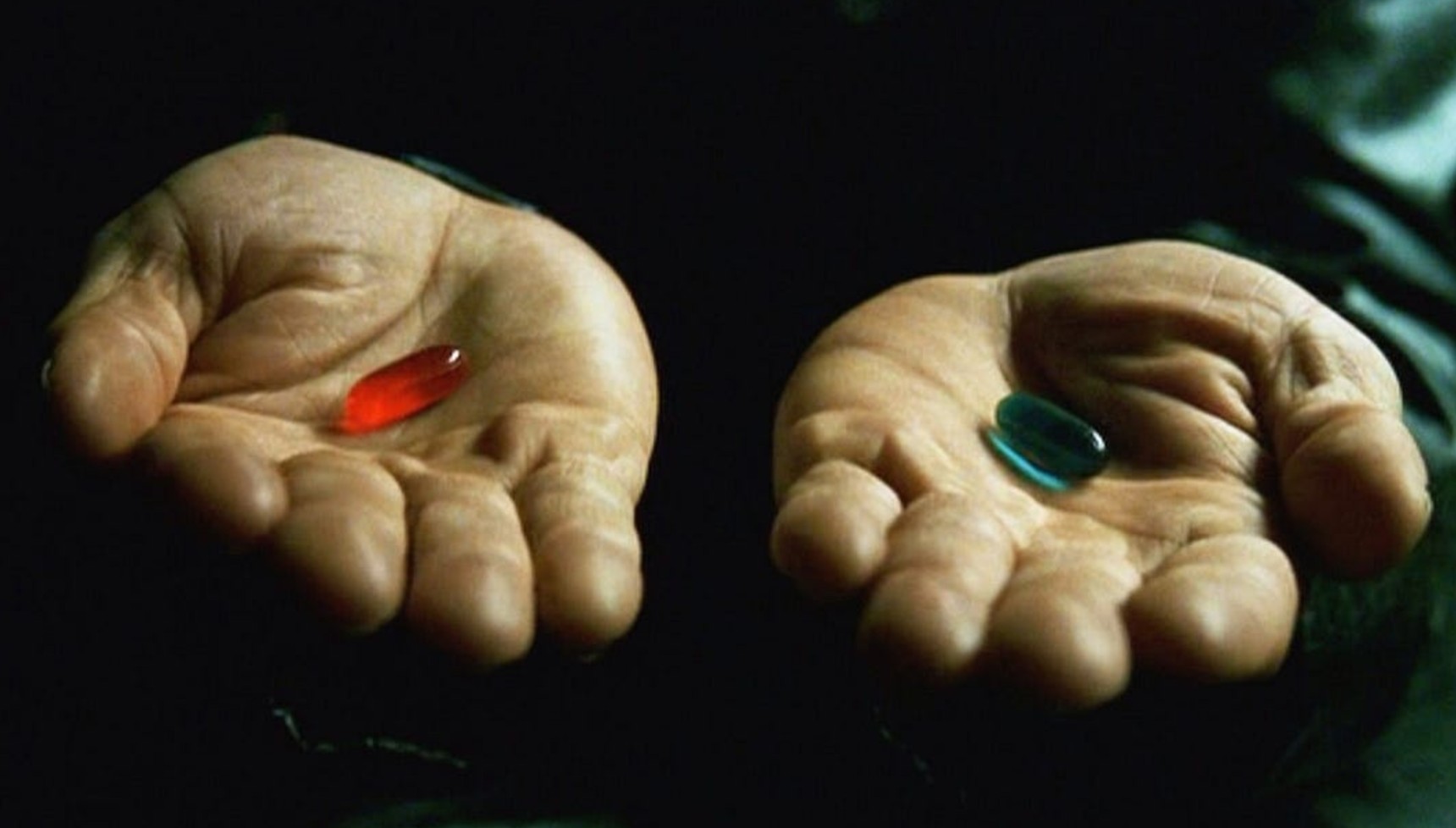
What is the matrix?
Before we get to the hand gesture, let’s break down what the manosphere’s idea of the matrix actually is. No, it’s not the iconic sci-fi film from 1999.
However, its name isn’t a coincidence. Tate and his contemporaries often talk about taking the “red pill”. In other words, breaking free from the alleged fallacy of modern society and seeing the world as it ‘truly is’.
One of the most common takeaways among those who’ve been “red-pilled” is that women are shallow and always in pursuit of money, and that women effectively expire if and when they aren’t considered attractive.
The matrix is a broader, no-less toxic belief system about society’s governance. When Tate was arrested in Romania, he shared a tweet that said: “The Matrix sent their agents.”
In short, it’s the idea that there are powers in place to keep the rich rich, the poor poor, and bold men from achieving greatness. The hypocrisy is clear: the most vocal propagators of “the matrix” are incredibly wealthy and making more money from promoting it.
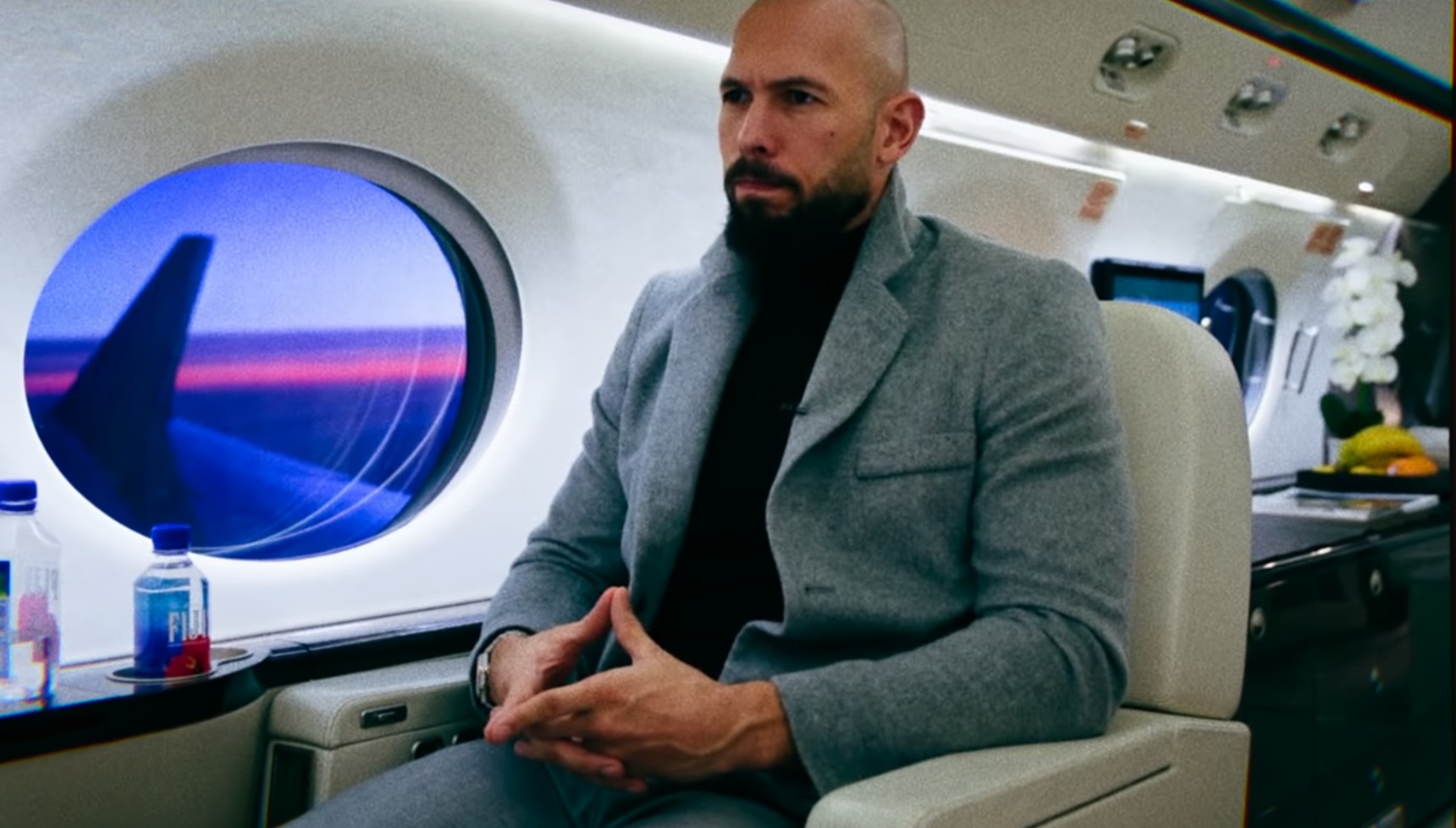
So, what does Andrew Tate’s hand gesture mean?
The gesture is said to come from mudras, symbolic hand gestures used in yoga. Tate’s specific gesture is known as the Uttarabodhi mudra, meaning “upwards closer to awakening”.
However, there are other theories behind Tate’s use of this gesture. As reported by VICE, Tate’s father Emery Tate, a former chess master, used to do it before matches. He has referred to it as a “power-up”.
Others have linked it to the Illuminati, a conspiracy theory that alleges a cabal of seemingly “enlightened” elites control the world. This is due to the gesture evoking the image of a symbol associated with the conspiracy. Tate has denied being part of the Illuminati.
The use of the gesture among young people – specifically, boys who are fans of Tate – has been described as an endorsement of “violent misogyny”.
Tim Squirrel, an expert in extremism from the Institute of Strategic Dialogue, also told VICE: “There’s a two-pronged appeal here.
“For one, you can show your endorsement of controversial people or beliefs without having to say it outright, allowing you plausible deniability and possibly avoiding consequences like detention or censure.
As Squirrel explained, it doesn’t matter if boys are using it ironically. “For women and girls who are around it, that doesn’t really make much of a difference. ‘Ironic’ endorsement of violent misogyny is, in many instances, indistinguishable from the real thing and creates an unsafe atmosphere for them,” he said.
Read more: New documentaries and true crime to stream this month