
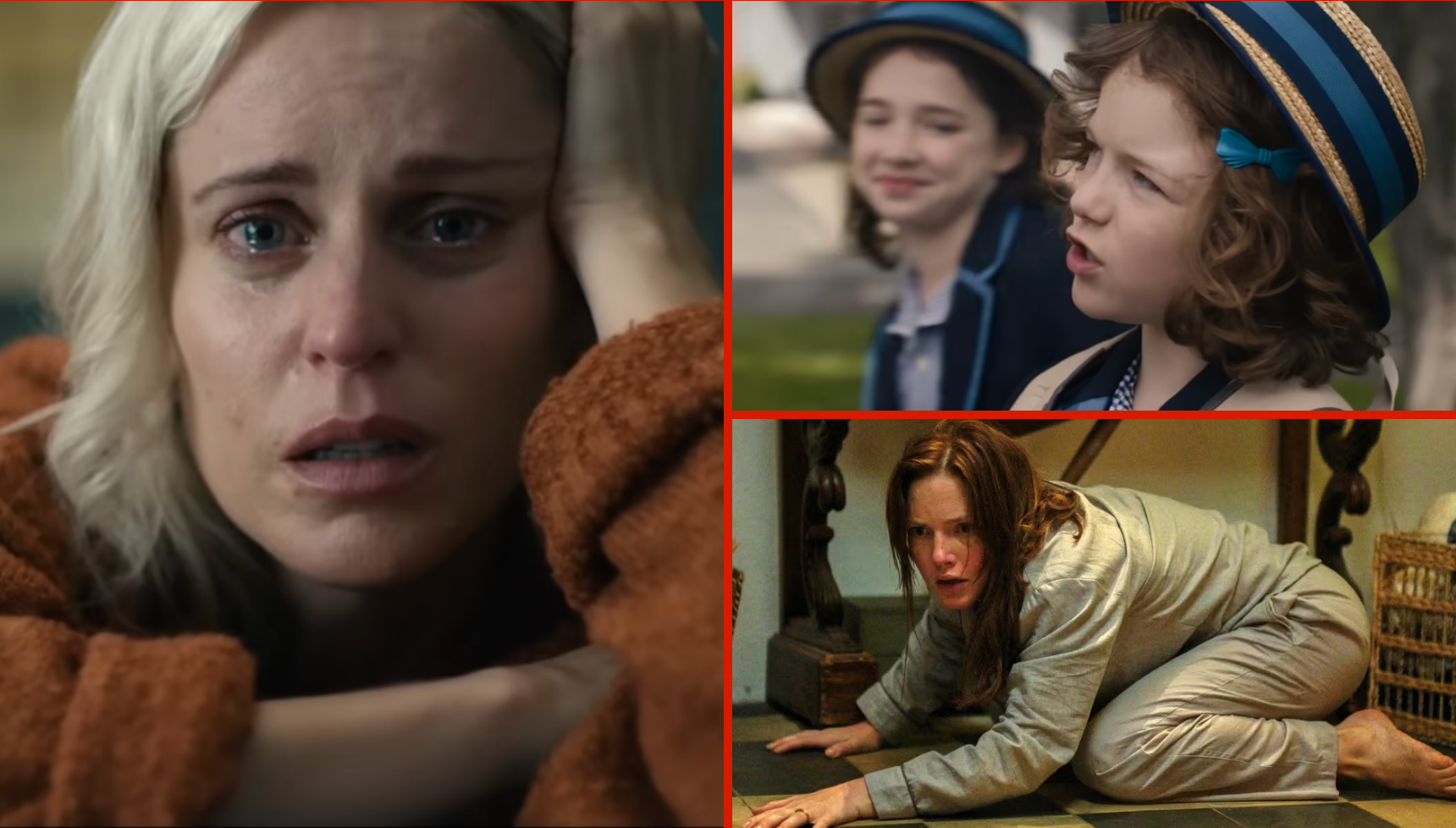
The Stolen Girl on ITV: Is abduction thriller based on a true story?
Life can be stranger than fiction...
The Stolen Girl, which now arrives on ITV after its initial release on Disney+, tells the remarkable tale of a mother distraught after the abduction of her young daughter – but is it a true story?
The six-part drama tells the story of “fascinating, relatable and complex women in an unimaginable situation”. Viewers will watch in squirming horror as nine-year-old Lucia excitedly goes on an overnight playdate with her new best friend Josie.
However, when mum Elisa goes to collect her young daughter the next morning, she is “thrust into every parent’s worst nightmare”.
Horrifyingly, when Elisa goes to pick up Lucia the next day, she discovers that Lucia has vanished. As has Josie and her mum Rebecca… What started out as her daughter’s first sleepover has turned into an abduction.
But is The Stolen Girl a true story? Here’s everything you need to know.
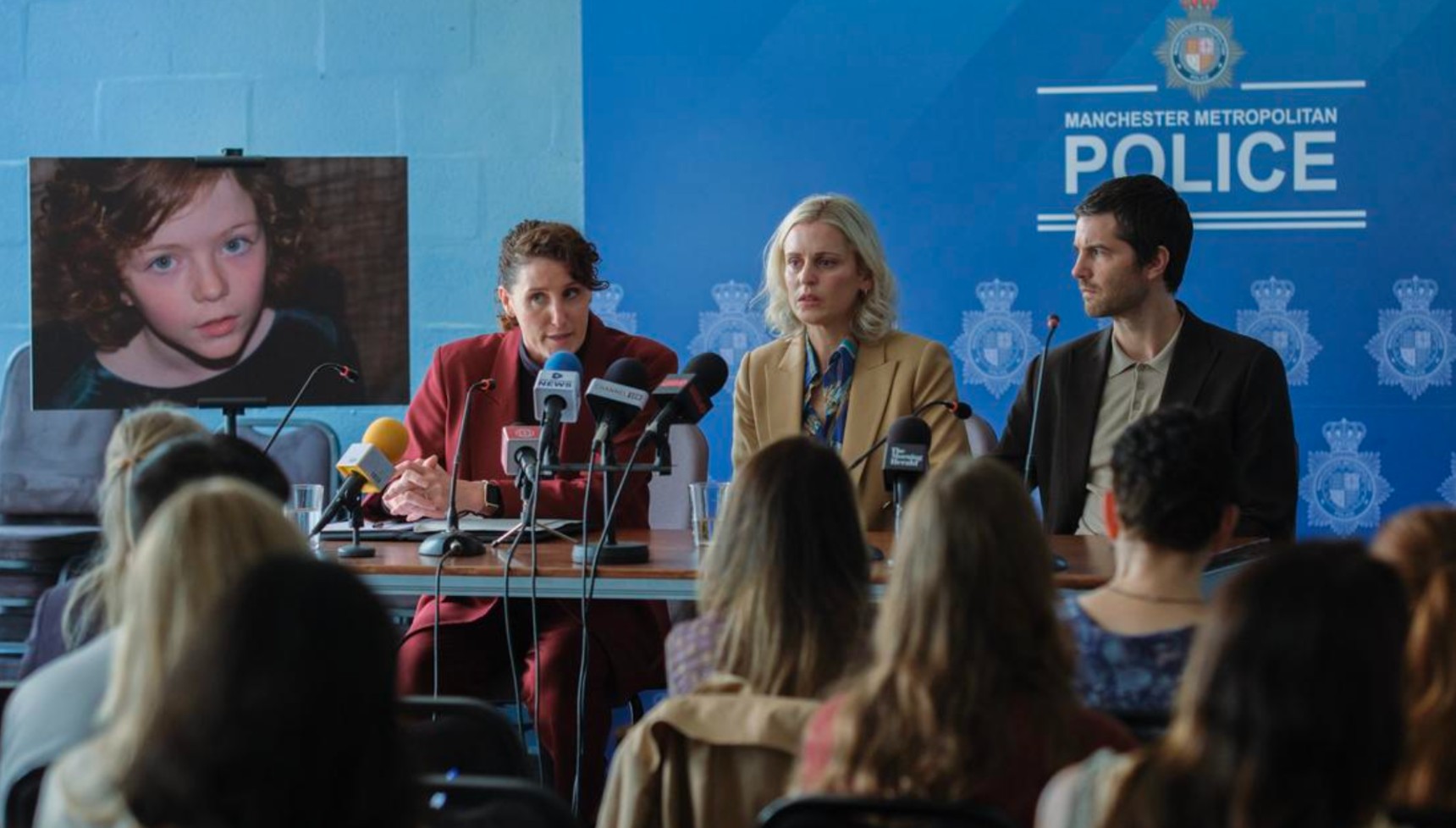
Is The Stolen Girl based on a true story?
The Stolen Girl brings to life a mother’s horrifying ordeal after her nine-year-old daughter is abducted. And, sadly, it’s not too far from reality. In the UK, over 1,000 child abductions are recorded annually, with roughly 50 by strangers. Shocking, isn’t it?
Of course, one of the most famous child abductions in history remains that of Madeleine McCann. The 2007 disappearance of the three-year-old from a Portuguese holiday apartment was a criminal abduction that has never been solved.
While there are thousands of high-profile child abductions in the UK, The Stolen Girl is NOT based on one specific true story.
Don't miss a single story! Add us as a Preferred Source in Google for all your television news
Speaking about the thriller, Denise Gough – who plays distraught mum Elisa Blix – revealed what she hopes audiences will take away from the drama. She said: “I think it’s important to remember this is a TV thriller rather than a docu-series or a true story. So essentially, I want the audience to be entertained.
“I would like of course for them to feel empathy. But I hope it is a gripping ride for them and I hope they leave each episode wanting more. I’d like their loyalties to be switching constantly. I don’t want them to know whose side to be on at any stage!”
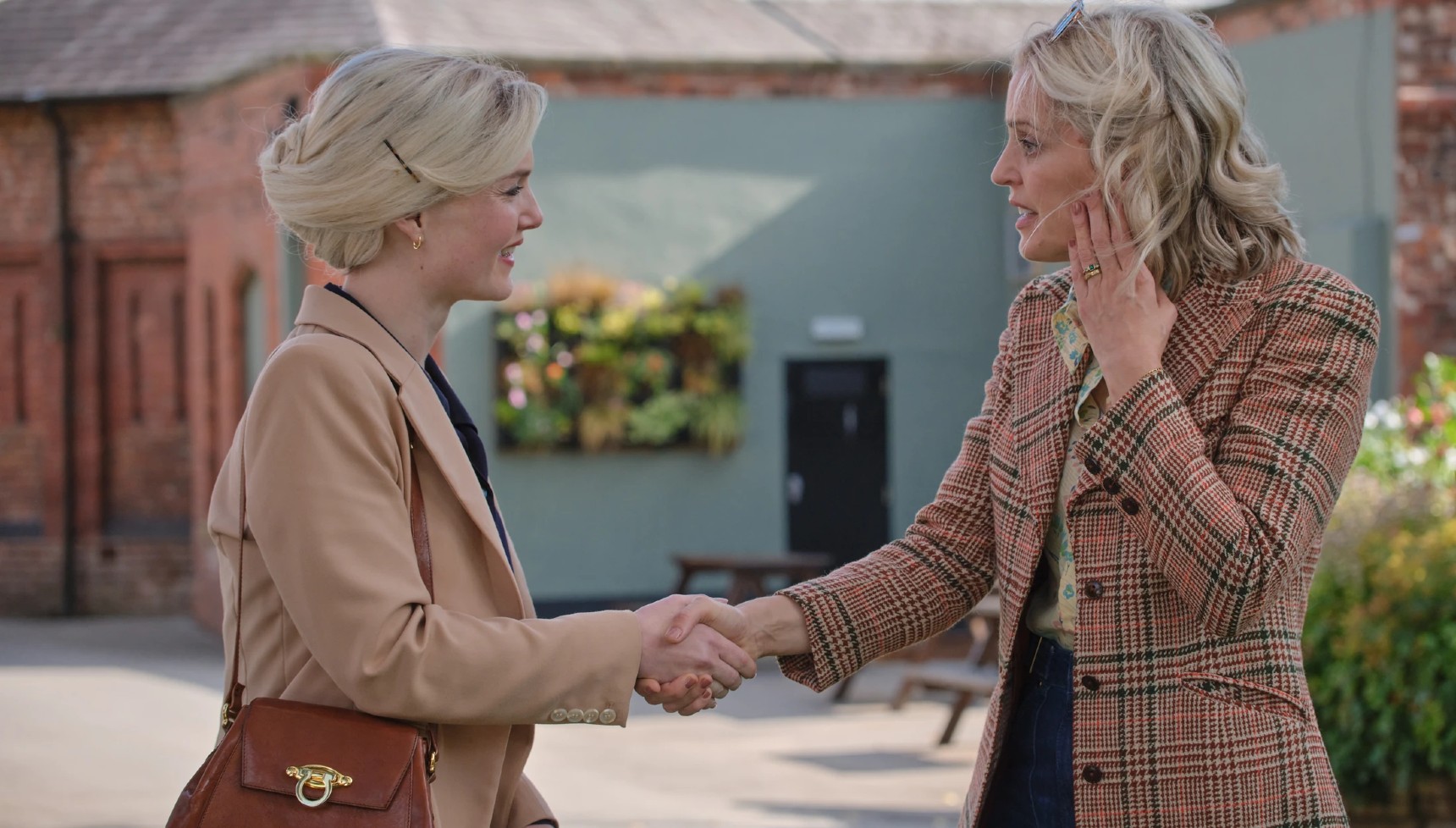
Viewers convinced thriller The Stolen Girl is based on a true story
Although The Stolen Girl is not based on a true story, plenty of viewers believed it was when it first aired on Disney+ in April 2025.
Many became convinced that the thriller was partly inspired by the 1993 true story of Maureen Dabbagh. Her two-year-old daughter, Nadia, was abducted by her ex-husband and taken to the Middle East. Mum Maureen then launched a 17-year search for justice. They were finally reunited in 2010 after her daughter contacted her. Maureen eventually became a child recovery agent.
However, The Stolen Girl is not based on the true story of Maureen Dabbagh. Instead, the 2025 film Stolen Girl (drop the The) was based on the tragic story of Maureen and her missing daughter. It’s no surprise there’s been confusion… The TV series and film were both released in 2025, and have just three letters between them.
Although the film was not a documentary, it was an emotional dramatisation of the harrowing true story.
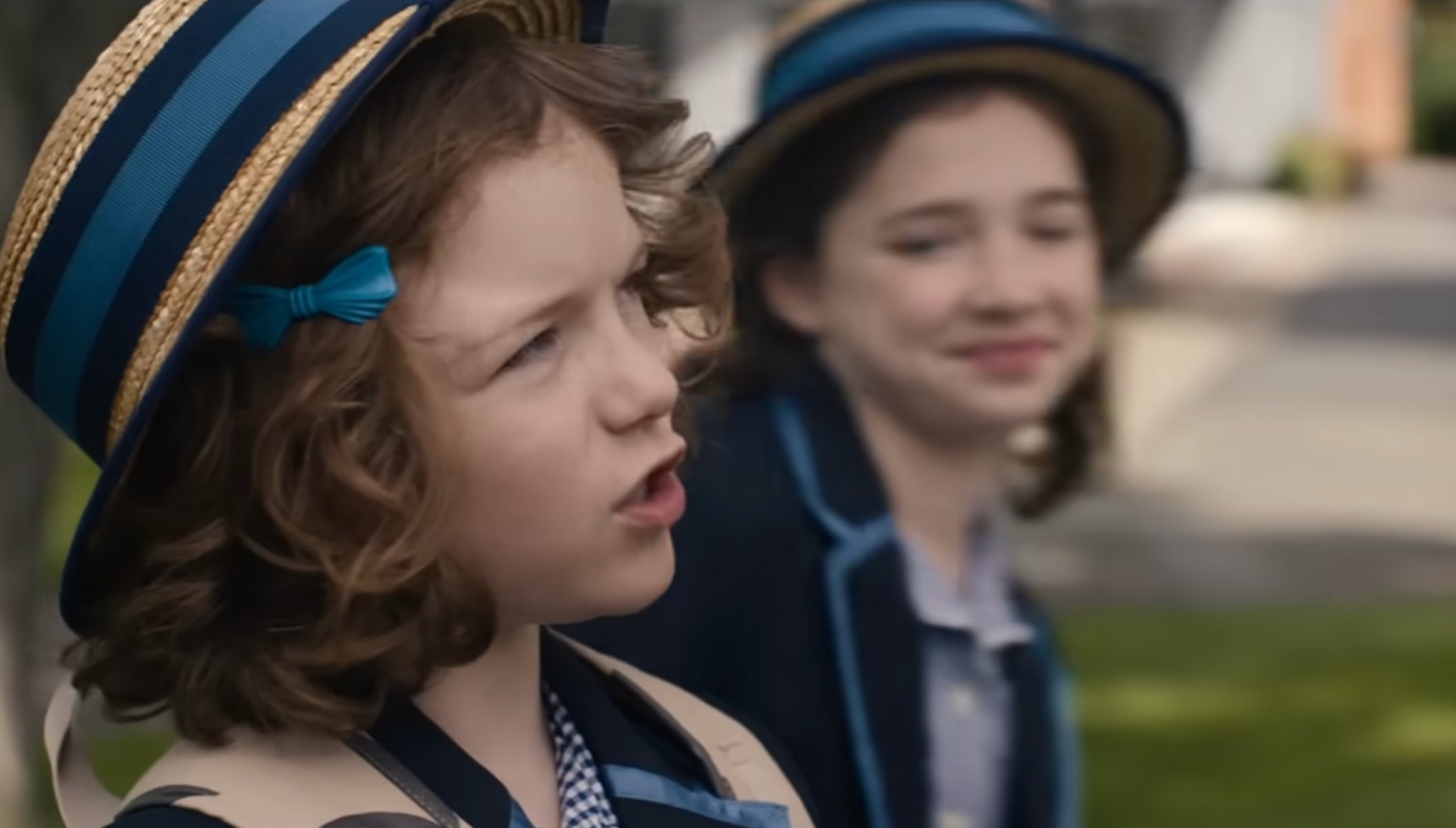
Is The Stolen Girl based on a book?
Baptiste’s Catherine Moulton adapted ITV thriller The Stolen Girl from Alex Dahl’s bestselling novel Playdate.
The novel, published in 2020, sees author Alex Dahl “put a microscope on a seemingly average, seemingly happy family plunged into a life-altering situation”.
A synopsis for the book reads: “It was meant to be your daughter’s first sleepover. Now it’s an abduction. Lucia Blix went home from school for a playdate with her new friend Josie. Later that evening, her mother Elisa dropped her overnight things round and shared a glass of wine with Josie’s mother. Then she kissed her little girl goodnight and drove home. That was the last time she saw her daughter. The next morning, the house was empty. No furniture, no family, no Lucia. Who has taken their daughter, and why?”
Talking about the book, Financial Times said it “quickly exerts a grip”, while The Guardian called it “fast-paced and unsettling”.